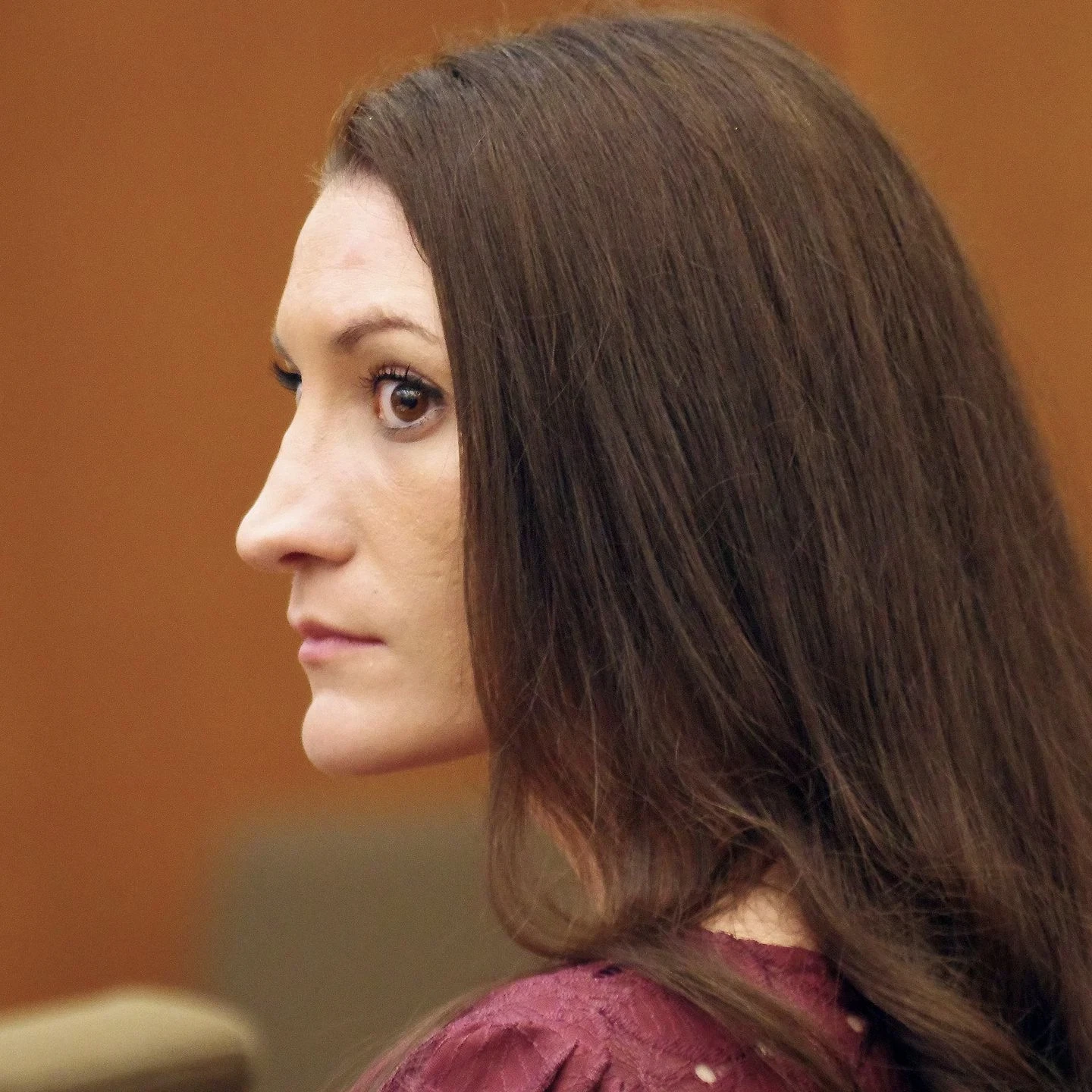
The Lindsay Clancy trial has reached its final stage. Testimony wrapped up Wednesday in a case that has forced difficult conversations about maternal mental health across Massachusetts and well beyond it.
Attorneys are scheduled to deliver closing arguments Thursday. After that, the case passes to the jury.
What the Jury Must Decide
Clancy, 36, faces murder charges in the deaths of her three children at the family home in Duxbury, a coastal town south of Boston, in January 2023. The children were 5-year-old Cora, 3-year-old Dawson, and 8-month-old Callan.
She has entered a plea of not guilty by reason of lack of criminal responsibility. That plea does not dispute what happened. It asks the jury to consider her mental state at the time.
Her defense team has argued she was suffering from postpartum psychosis, a severe and uncommon psychiatric condition that can emerge in the weeks and months following childbirth.
Understanding the Condition at the Center of the Case
Postpartum psychosis is not the same thing as postpartum depression, though the two are frequently confused in public discussion.
Depression after childbirth is relatively common and involves persistent low mood, exhaustion, anxiety, and difficulty bonding. Psychosis is far rarer and considerably more dangerous. It involves a break from reality that can include hallucinations, delusional beliefs, severe confusion, and rapid mood swings.
Clinicians link its onset to a combination of factors that converge after delivery:
- Dramatic hormonal shifts in the days and weeks following birth
- Severe and sustained sleep deprivation
- Physical recovery demands on the body
- Psychological stress associated with caring for a newborn
The condition typically appears quickly, often within the first few weeks postpartum, and it is regarded by psychiatrists as a genuine medical emergency requiring immediate intervention.
Why the Legal Standard Matters
Massachusetts law allows a defendant to be found not criminally responsible if, because of mental disease or defect, they lacked the substantial capacity either to appreciate the wrongfulness of their conduct or to conform their behavior to the law’s requirements.
This is a demanding standard, and juries approach it with understandable caution. Establishing that someone was mentally ill is not sufficient on its own. The defense must connect the illness directly to the defendant’s capacity at the specific moment in question.
Prosecutors in such cases typically counter by pointing to evidence of planning, awareness, or attempts at concealment, arguing these indicate an understanding of wrongdoing.
The jury will now sort through competing expert testimony and reach a conclusion about a mental state that existed years ago, inside a mind none of them can access.
A Case That Struck a Nerve
Few criminal trials generate the kind of public reaction this one has.
Part of that stems from the sheer scale of the loss. Three young children died, and their father lost his entire family in a single night.
But the case also touched something else. Many mothers, reading coverage of the trial, recognized fragments of their own postpartum experience in descriptions of exhaustion, intrusive thoughts, and the sense of being overwhelmed while everyone around them assumed things were fine.
That recognition has produced an unusual public conversation, one in which people who ordinarily would have no sympathy for a defendant in a case like this have expressed something closer to horrified understanding.
Gaps in the System
Advocates working in perinatal mental health have used the case to highlight weaknesses in how new mothers are screened and supported.
Standard postpartum care in much of the United States involves a single follow-up appointment several weeks after delivery, often focused primarily on physical recovery. Mental health screening, where it happens at all, may consist of a brief questionnaire.
That approach can miss conditions that develop quickly and present unpredictably. Postpartum psychosis in particular can fluctuate, with periods of apparent lucidity between episodes of severe disturbance, which makes it easy for family members and even clinicians to underestimate.
Specialists have argued for more frequent postpartum contact, better training for providers in recognizing psychiatric warning signs, and clearer pathways to emergency psychiatric care for new mothers.
What Happens Next
Once closing arguments conclude, the judge will instruct jurors on the applicable law before deliberations begin.
There is no way to predict how long that process will take. Cases involving conflicting psychiatric testimony often require extended discussion, as jurors work through technical evidence and apply an unfamiliar legal standard.
The possible outcomes carry very different consequences. A conviction would result in a prison sentence. A finding of lack of criminal responsibility would typically lead to commitment to a secure psychiatric facility, with continued confinement subject to periodic review of whether the person remains dangerous.
Neither outcome resembles release.
Holding Two Things at Once
What makes this case so difficult for observers is that it requires holding two truths simultaneously.
Three children are gone, and nothing about a verdict changes that or lessens it. At the same time, serious mental illness is real, it can distort perception and judgment beyond recognition, and the law has long acknowledged that fact.
The jury’s task is not to decide which of those truths matters more. It is to apply a specific legal test to a specific set of facts.
For families watching from a distance, the case may serve as a reminder that severe postpartum mental illness exists and can escalate faster than anyone expects.
If you or someone you know is struggling after childbirth, this is a serious and treatable medical issue, and reaching out to a doctor, midwife, or mental health professional is worth doing early rather than waiting to see whether things improve on their own.
Author