Trump Returns To UN Amid Iran War Fallout, AI Anxiety And Questions Over The World Body’s Future
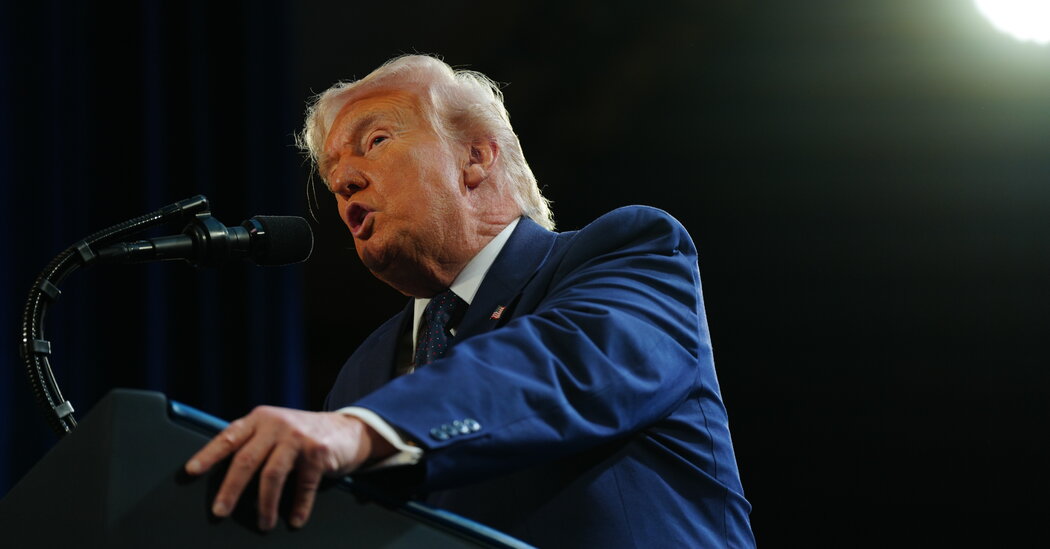
Trump UN Iran war address takes center stage Tuesday as President Donald Trump prepares to speak before the UN General Assembly during what amounts to a particularly turbulent period both globally and for his own presidency.
A Global Economy Under Strain
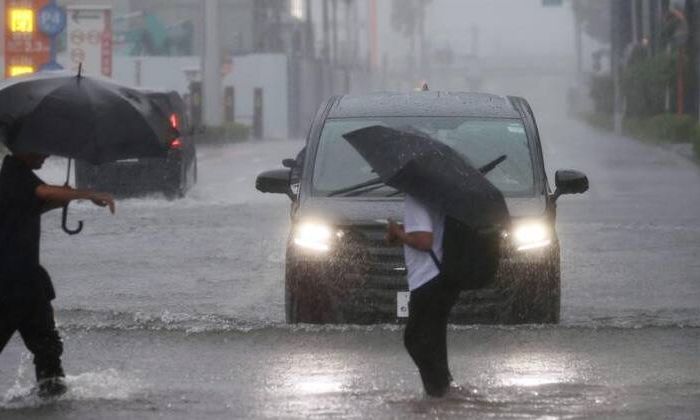
The worldwide economy has been significantly shaken by Trump’s decision to launch military action against Iran, a war whose ripple effects continue reshaping global energy markets and international relations. Meanwhile, growing anxiety about artificial intelligence’s broader social impact continues intensifying across multiple fronts. Adding to the uncertainty, questions persist about the United Nations’ own institutional future as Trump has scaled back American financial support for the organization.
Following his address to this year’s gathering of world leaders, Trump is expected to hold talks with newly appointed British Prime Minister Andy Burnham, Japanese Prime Minister Sanae Takaichi, and a somewhat more informal meeting with Venezuela’s acting president Delcy Rodríguez, according to White House officials. He’s also scheduled to meet with leaders and senior officials representing Gulf Cooperation Council nations, including Bahrain, Kuwait, Oman, Qatar, Saudi Arabia, and the United Arab Emirates, to discuss the path forward regarding the Iran war and mounting concerns about recent Iran-backed rebel attacks targeting Saudi Arabia.
Political Pressure Mounts Domestically
This UN visit arrives at a particularly challenging moment for Trump, as his foreign policy approach, particularly his decision to initiate conflict with Iran, has become a genuine drag on fellow Republicans’ hopes of maintaining control over both chambers of Congress during upcoming midterm elections. Despite these political headwinds, administration officials have signaled that Trump intends to argue in his address that the world has genuinely benefited from his leadership approach.
Ambassador Mike Waltz, serving as Trump’s chief envoy to the United Nations, told reporters that the administration expects Trump to highlight how he and his team have confronted complex global problems directly and decisively. Waltz also suggested Trump might revisit some of his longstanding criticisms of the United Nations itself, criticisms that have previously characterized the organization as ineffectual on matters of war and peace, accused it of perpetuating what he’s called a con job regarding climate change concerns, and claimed the UN has effectively promoted an invasion of migrants into Europe.
The Iran War Takes Center Stage
During last year’s UN address, Trump claimed the United States had demolished Iran’s nuclear capabilities following his order to bomb three key facilities back in June 2025. He now returns to the General Assembly approaching the seven-month mark of what has become an ongoing war against Iran, one he continues insisting remains necessary to address the nuclear threat Iran poses.
The conflict has grown increasingly complicated, even though combined strikes from the United States and Israel have eliminated much of Iran’s top military leadership while destroying both its air force and navy. Meanwhile, a US blockade targeting Iranian oil exports has left Tehran’s economy in significant disarray.
Oil passage from other Gulf nations through the Strait of Hormuz has actually improved somewhat in recent weeks, aided by US Navy assistance guiding commercial vessels safely through the narrow waterway. Still, overall oil flow remains significantly below pre-war levels, and Brent crude continues hovering around 100 dollars per barrel, a substantial increase from the roughly 70 dollar range seen in the weeks before the conflict began.
Energy Markets Remain Rattled
Beyond the direct conflict, broader energy markets continue experiencing significant volatility. Saudi Arabia shuttered a key pipeline earlier this month that had previously served as a relief valve for oil blocked within the Gulf region, a decision made after the pipeline came under attack from Iran-backed militants operating in Iraq.
Simultaneously, territorial advances by Yemen-based Houthi rebels, another Iranian-backed group, near the Bab al-Mandab Strait have made that critical Red Sea shipping lane increasingly treacherous for oil carriers attempting passage.
Majed al-Ansari, chief spokesman for Qatar’s Foreign Ministry, indicated Monday that Qatar and other international mediators are working to bridge what he described as a deep deficit of trust between the United States and Iran, hoping to bring both sides back toward meaningful negotiations. Speaking at the Concordia Annual Summit, a global affairs forum running alongside the UN’s high-level week, al-Ansari emphasized that this conflict will ultimately conclude at the negotiating table regardless of timing, with the only real variable being how much additional death and destruction occurs before that resolution happens.
A Greenland Agreement Takes Shape
At last year’s General Assembly, Trump touted his record as a peacemaker, even suggesting that observers believed his administration deserved Nobel Peace Prize recognition for mediating various global conflicts. This year, his administration is set to formally sign an agreement alongside Danish and Greenlandic leaders on the sidelines of the General Assembly, an agreement establishing pathways for expanding the US military’s presence on Greenland.
This deal, announced last week, emerged following Trump’s repeated threats to potentially take over Greenland by military force if necessary, targeting territory belonging to NATO ally Denmark. Under the finalized agreement, Greenland remains formally part of Danish territory. Danish Prime Minister Mette Frederiksen expressed satisfaction with the arrangement in comments to Danish broadcaster TV2 Denmark, indicating she believed a good agreement had been reached.
Growing Frustration Over Russia-Ukraine Conflict
Trump may also address Russia’s continuing war against Ukraine during his UN remarks, a conflict he had predicted during his 2024 campaign would be resolved immediately upon taking office for his second term. The president has routinely expressed mounting frustration about this ongoing conflict, making clear his patience continues being tested by Ukraine’s targeting of Russian diesel refineries, an issue contributing to broader oil market volatility, alongside Russia’s continued targeting of Ukraine’s energy infrastructure.
Trump claimed last week that he had successfully gotten both sides to agree not to target each other’s energy infrastructure going forward. Ukrainian President Volodymyr Zelenskyy indicated willingness to comply with Trump’s proposed arrangement, contingent on Russia doing the same. Russia, meanwhile, stated it could only agree to Trump’s energy truce proposal if Western sanctions targeting Moscow’s energy sector were lifted first.
Despite these diplomatic efforts, both sides have continued conducting strikes against refineries and other energy infrastructure. Trump expressed his frustration with this ongoing situation Monday, shortly before departing for New York, posting on social media that Russia has unfortunately lost control of its diesel oil industry due to its war with Ukraine, while adding that this ridiculous and seemingly endless conflict must finally come to an end.
Critical Diplomatic Meetings Ahead
Trump is set to hold his first face-to-face meeting with Burnham, the center-left Labour Party leader who assumed the role of prime minister in July. With elevated oil prices continuing to strain the British economy, Trump may prove particularly eager to discuss strategies for fully reopening the Strait of Hormuz during their conversation. He announced Monday that he would send a Royal Air Force plane to the Middle East specifically to help Saudi Arabia repel ongoing attacks from Houthi rebels, with the aircraft providing refueling support for Saudi planes during defensive missions.
Trump’s scheduled meeting with Japan’s Prime Minister Takaichi comes as he simultaneously prepares to welcome Chinese President Xi Jinping to Washington later this week for a formal state visit. The historically complicated relationship between Japan and China has grown even more strained after Takaichi stated last year that Japan’s military could potentially intervene if China were to take action against Taiwan, the semi-autonomous island democracy that Beijing considers part of its own territory. These tensions have increasingly spilled over into the broader China-Japan economic relationship as well.
Finally, Trump’s engagement with Rodríguez, Venezuela’s interim president, will mark the first meeting between the two leaders since Trump ordered a US military operation back in January to capture former Venezuelan President Nicolás Maduro, an operation that ultimately swept Maduro off to New York City to face federal narco-terrorism and drug trafficking charges.
Author