Super El Niño conditions are forming, and scientists around the world are paying close attention. Some researchers have even started calling it a Godzilla El Niño, a nickname that sounds dramatic but reflects genuine concern about what’s brewing in the Pacific. So what does any of this actually mean for the average person, and should you be worried?
A Weather Phenomenon With Deep Roots
El Niño isn’t some new discovery, it’s been influencing global weather patterns for thousands of years. This naturally occurring climate cycle involves the warming of ocean surface temperatures in the central and eastern tropical Pacific, and its effects ripple outward across continents in ways that can seem almost unrelated at first glance.
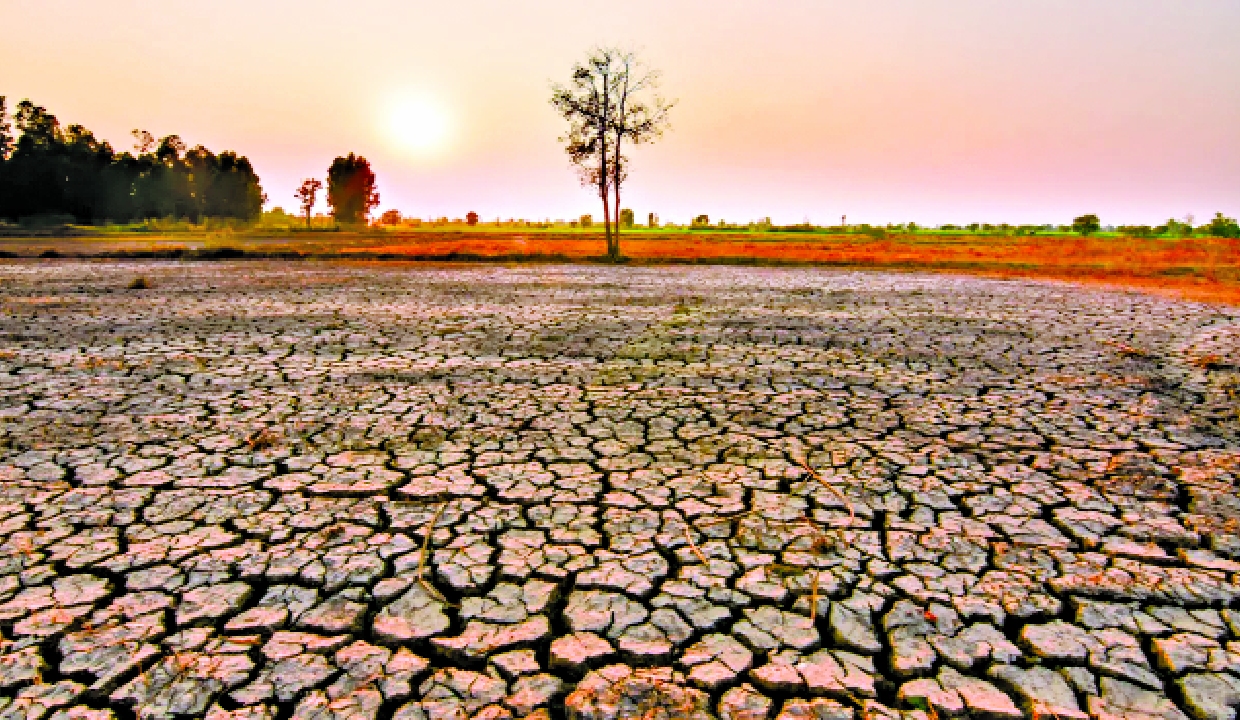
In the United States, El Niño years have historically brought heavier rainfall and flooding to certain regions, catching communities off guard when rivers swell beyond their usual banks. Meanwhile, on the other side of the globe, Australia and Indonesia typically experience the opposite problem: prolonged droughts that dry out landscapes and set the stage for devastating wildfires. Fisheries across the Pacific Ocean also feel the impact, as shifting water temperatures disrupt marine ecosystems and throw off the delicate balance that fish populations depend on for survival.
The Big Question Scientists Have Been Chasing
For years now, climate researchers have been quietly investigating a nagging question: is human activity, specifically the burning of fossil fuels, making these El Niño events stronger and more intense than they naturally would be? It’s a reasonable thing to wonder, given how much attention climate change has received for supercharging other weather phenomena like hurricanes and heatwaves.
Now, with what may become the strongest El Niño ever recorded bearing down on the planet, a team of scientists believes they’ve finally found a credible answer to that long-standing puzzle. While the specifics of their findings are still being unpacked and debated within the scientific community, the timing couldn’t be more relevant. If this current event does turn out to be historically powerful, it offers researchers a rare real-world case study to test their theories about the connection between human-driven warming and El Niño intensity.
Why This Particular Event Has Everyone’s Attention
What separates a run-of-the-mill El Niño from a so-called Super El Niño really comes down to scale and intensity. Regular El Niño events happen every few years and bring noticeable but generally manageable shifts in weather patterns. A Super El Niño, on the other hand, represents an extreme version of the same phenomenon, one where ocean temperatures spike dramatically higher than average, triggering far more severe and widespread consequences across the globe.
The nickname Godzilla El Niño actually isn’t new, it was first popularized during the powerful 2015-2016 El Niño event, which caused significant disruptions worldwide, from coral bleaching events to unusual storm patterns. If this upcoming event lives up to early projections, it could potentially rival or even surpass that previous benchmark, which is exactly why scientists and meteorologists are watching so closely.
What This Could Mean Practically
For people living in regions historically affected by El Niño, this is worth paying attention to, though not necessarily panicking over. Communities in flood-prone areas of the U.S. might want to stay informed about local weather advisories as the event develops, since stronger El Niños tend to correlate with more intense and frequent flooding episodes. Similarly, populations in Australia and Indonesia, areas already vulnerable to drought and wildfire risk, may face an elevated threat if this event proves as powerful as some models suggest.
Fishing communities across the Pacific should also brace for potential disruptions to their livelihoods, since warmer ocean waters can drive fish populations to relocate or decline in areas where they’ve traditionally thrived. This isn’t just an environmental concern, it translates directly into economic hardship for people whose income depends on stable marine ecosystems.
The Climate Change Connection
Perhaps the most significant takeaway from all this research is what it suggests about the broader relationship between human activity and natural climate cycles. If scientists do confirm that fossil fuel emissions are indeed amplifying El Niño’s intensity, it adds another data point to the mounting evidence that human-caused warming isn’t just raising average global temperatures, it’s actively reshaping and intensifying the natural weather systems we’ve relied on for centuries to predict seasonal patterns.
This matters because El Niño has traditionally been viewed as a somewhat predictable, cyclical event that scientists could track and forecast with reasonable confidence. If climate change is now injecting additional volatility into that cycle, it complicates efforts to prepare for and mitigate the downstream effects, whether that’s flood defenses, drought contingency planning, or fisheries management strategies.
Staying Informed as the Situation Develops
As this Super El Niño continues to develop, expect ongoing coverage and updated forecasts from meteorological agencies worldwide. The situation remains fluid, and predictions about intensity and duration can shift as more data comes in from ocean buoys, satellite monitoring, and atmospheric models.
For now, the safest approach is staying informed through reliable weather services, particularly if you live in a region with a history of significant El Niño impacts. Whether this event ultimately earns its Godzilla nickname or turns out to be less severe than initially feared, understanding the mechanics behind it, and its potential connection to human-driven climate change, offers valuable insight into how our warming planet continues to influence even the oldest and most well-studied weather patterns we know.
Author