Oil Prices Surge Past $107 After Trump Rejects Iran’s Plan to Reopen Strait of Hormuz
Oil prices surge once again as hopes for a quick end to the conflict in the Gulf faded. The jump came after US President Donald Trump turned down an Iranian proposal that would have reopened the Strait of Hormuz within a week, sending energy markets higher and unsettling investors across Asia.
The move highlights just how closely global oil prices are tied to developments in the conflict, and how fragile market confidence remains while one of the world’s most important shipping routes stays largely blocked.
Brent Crude Climbs Sharply
Brent crude, the global benchmark for oil prices, rose by more than 3 percent on Monday. During trading in Asia, it approached $108 a barrel.
Prices eased slightly later in the day. Shortly before 08:00 GMT, Brent futures for November delivery were changing hands at $107.35 a barrel.
At these levels, oil remains far more expensive than before the conflict began, adding pressure on businesses, governments and consumers around the world.
Mixed Day for Asian Markets
Stock markets across the Asia Pacific region delivered a mixed performance. The session followed a positive end to the previous week on Wall Street, where the S&P 500 closed Friday with a gain of 0.5 percent.
How Key Indexes Performed
- Japan’s Nikkei 225 fell 0.73 percent
- South Korea’s Kospi dropped 2.70 percent
- Hong Kong’s Hang Seng rose 0.54 percent
- Australia’s S&P/ASX 200 edged up 0.17 percent
The sharp fall in South Korea stood out, reflecting how energy-importing economies can be especially sensitive to rising oil costs.
Why Trump Rejected Iran’s Proposal
The latest market swings followed Trump’s statement on Saturday that Tehran’s newest plan to end the war was unacceptable.
What Iran Offered
Iran presented its proposal at the United Nations General Assembly on Friday. Under the plan, Tehran asked the United States to:
- Release Iranian funds that have been frozen
- Lift sanctions on Iran
- End the US naval blockade of Iranian ports
In return, Iran said it would reopen the Strait of Hormuz and resume talks on its nuclear programme within seven days.
Trump’s rejection means the standoff continues, with no clear path yet toward reopening the vital waterway.
Why the Strait of Hormuz Matters
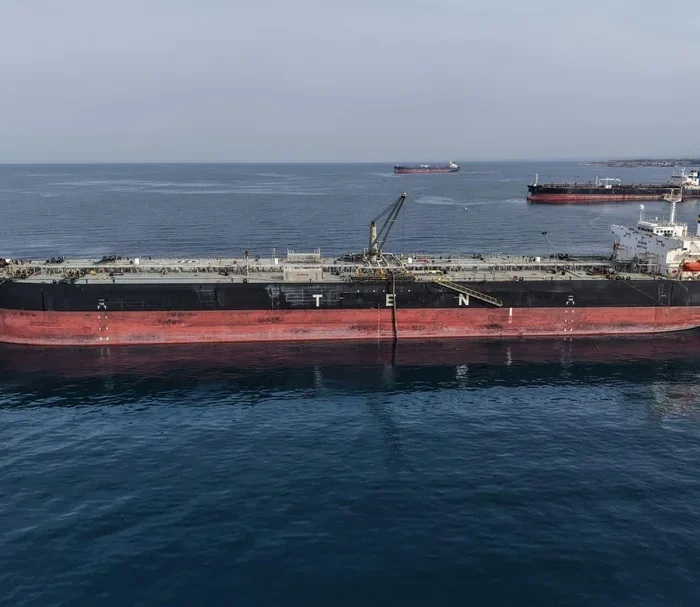
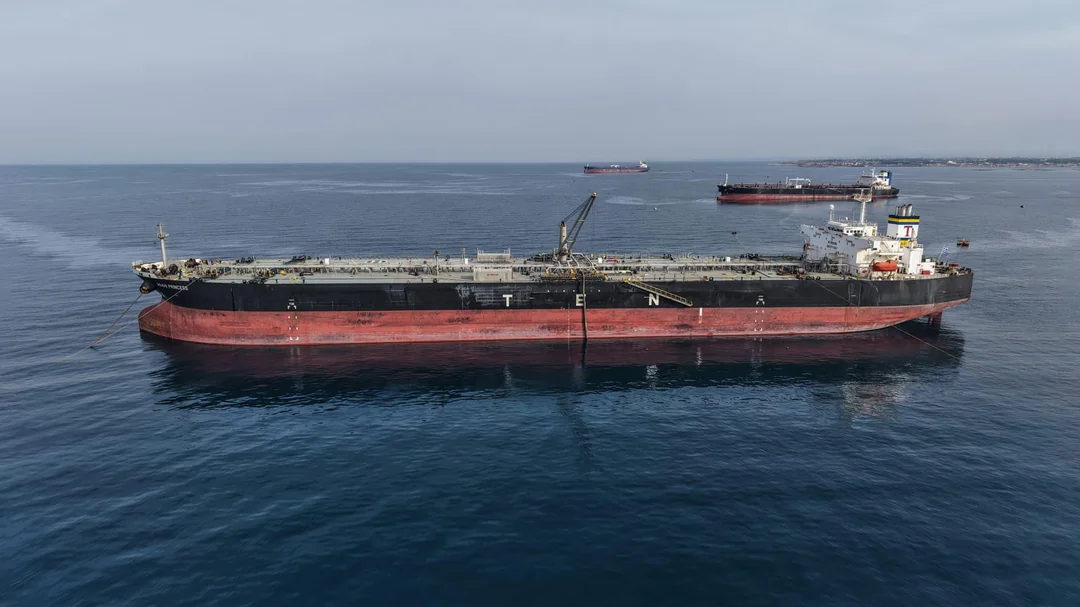
The Strait of Hormuz is one of the most important energy routes on the planet. It connects the Gulf with the Gulf of Oman and the Arabian Sea, providing the main outlet for oil exported by several major producers in the region.
Before the United States and Israel launched strikes on Iran in late February, roughly one-fifth of the world’s oil supply passed through the strait. Any disruption to that flow has an immediate impact on global energy markets.
Shipping Has Collapsed Since the War Began
Commercial traffic through the strait has fallen dramatically since the conflict started. A series of attacks on ships in the Gulf has made many shipping companies wary of sending vessels through the area. Most of those attacks have been blamed on Iran or groups allied with it.
The result has been higher costs for shipping, insurance and fuel, all of which have fed into rising oil prices.
A Small Rise in Traffic
There are some modest signs of movement. According to maritime intelligence platform MarineTraffic:
- Ships made 132 trips through the strait between September 21 and 27
- That was up from 116 transits the week before
While the increase is encouraging, traffic remains far below normal levels, and a small weekly improvement is unlikely to ease market fears on its own.
What Higher Oil Prices Mean
Rising oil prices can ripple through the entire global economy. When crude becomes more expensive, the effects are often felt in:
- Petrol and diesel prices at the pump
- Transport and shipping costs
- Airline ticket prices
- Manufacturing costs for goods that rely on energy or petroleum products
- Overall inflation, which can influence interest rate decisions by central banks
Countries that depend heavily on imported energy, such as Japan and South Korea, are particularly exposed to these pressures.
Markets Hang on Diplomatic Developments
The sharp reaction to Trump’s decision shows how much markets are relying on diplomacy to bring relief. Any sign of progress toward reopening the Strait of Hormuz could send oil prices lower, while further setbacks could push them even higher.
For now, traders appear to be pricing in the likelihood that the disruption will continue for some time. Iran’s proposal had raised hopes of a breakthrough, but its rejection has left investors facing continued uncertainty.
What Comes Next
The key question is whether Washington and Tehran can find common ground. Iran has signalled a willingness to reopen the strait and return to nuclear talks, but only if its conditions on sanctions, frozen funds and the naval blockade are met. The US, meanwhile, has made clear that the current offer does not go far enough.
Until a deal is reached, energy markets are likely to remain volatile. Every statement from world leaders, every attack on shipping and every change in tanker traffic through the strait will be closely watched.
For businesses and households worldwide, the outcome of these negotiations could determine whether oil prices continue to climb or finally begin to ease in the months ahead.
Author