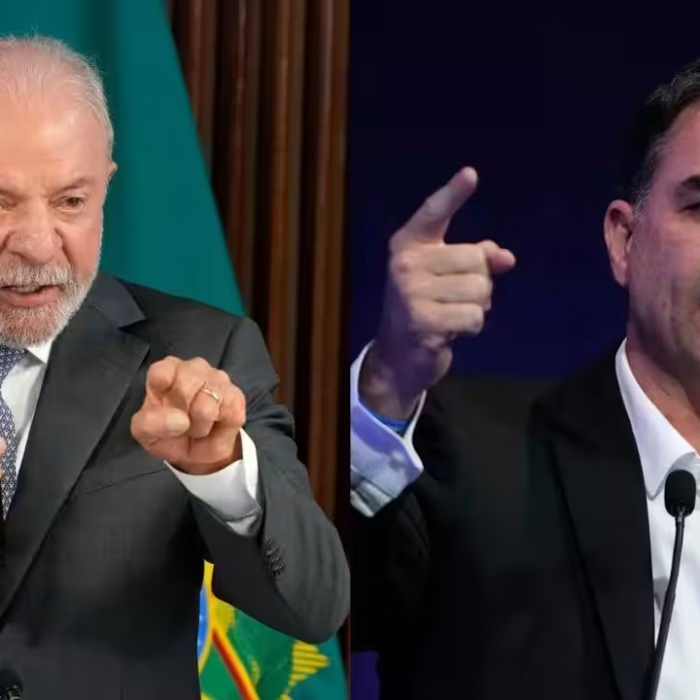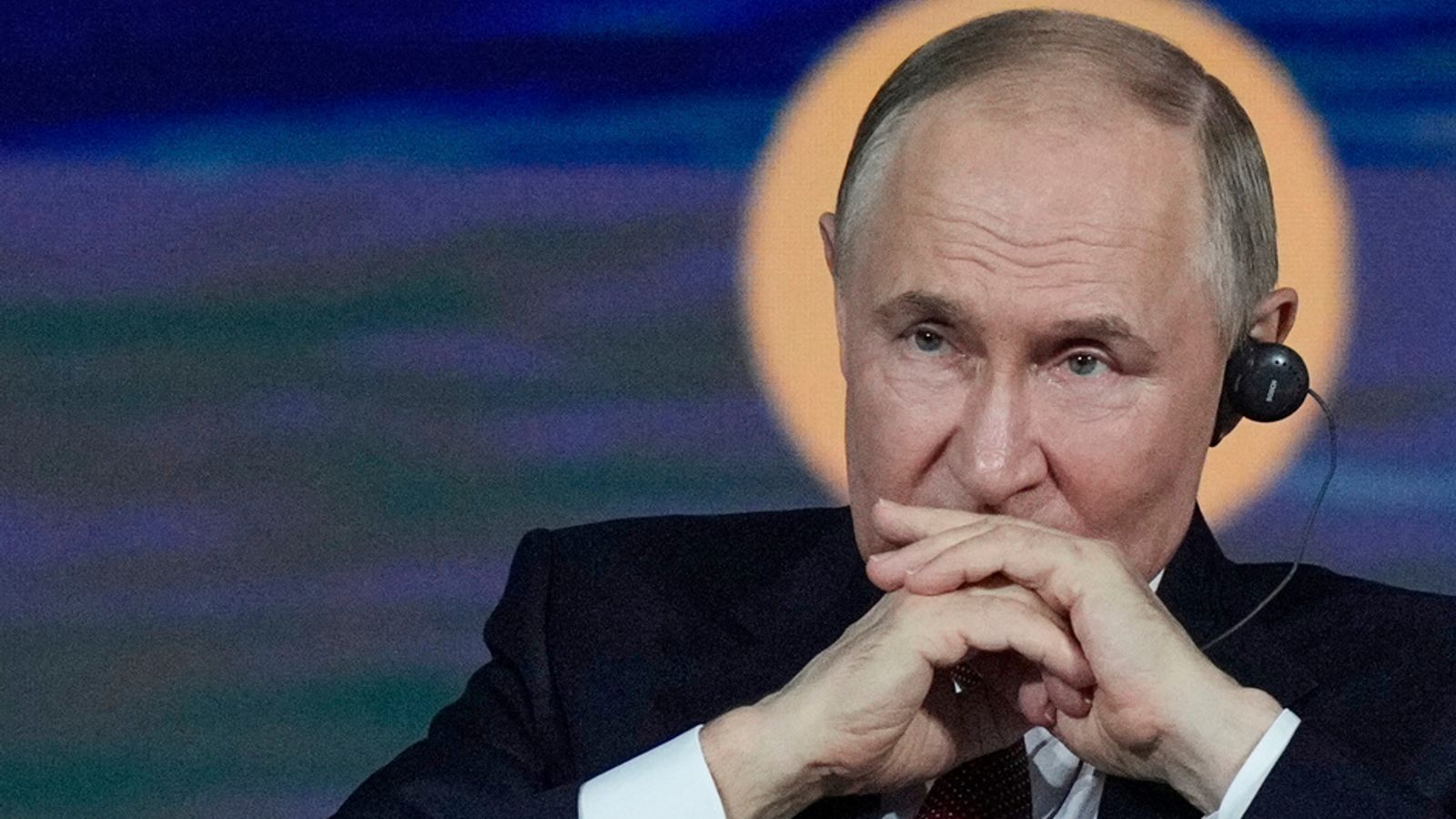
The Putin Kaliningrad warning landed with unmistakable force this week. Speaking in Moscow, the Russian president said his country would be ready to use every weapon in its arsenal, nuclear ones included, if the Baltic exclave of Kaliningrad were ever attacked.
A Blunt Message at Valdai
Putin made the remarks on Thursday at the Valdai Discussion Club, addressing a room of foreign policy and international affairs academics. He insisted he has no plans to attack any European country. But he made it plain that Russia would hit back at what it sees as Western aggression.
Kaliningrad is a small piece of Russian territory wedged between NATO members Poland and Lithuania. If it came under direct attack, Putin said, the question of using the full range of Russian weapons would inevitably arrive on the table. He repeated that it was unavoidable.
Why Moscow Is on Edge
The warning follows recent NATO exercises near Kaliningrad. The alliance describes them as defensive drills meant to strengthen deterrence. Moscow reads them differently.
Late in September, Russia cautioned that it would retaliate if NATO tried to blockade the exclave by air or sea. Putin listed a chain of grievances: repeated drills in the Baltic, attempts to detain Russian vessels, and public talk about Kaliningrad’s future. In his view, all of it adds up to escalation.
The West sees the picture from the other side. NATO, several European countries and the United Kingdom accuse Russia of running a hybrid campaign of cyberattacks, sabotage and espionage designed to weaken support for Ukraine.
The War Is Now Hurting at Home
Russia’s invasion is now in its fifth year, and Putin shows no sign of easing off. His forces have stepped up strikes on Ukraine’s energy network and on Kyiv as a harsh winter approaches.
Yet the conflict is no longer distant for ordinary Russians. Ukrainian drone strikes on oil refineries have caused widespread fuel shortages, with long lines of cars at petrol stations in major cities. Attacks on some of the country’s biggest online retailers have added strain to an economy already stretched by war.
Zelensky calls these deep strikes “long-range sanctions.” The idea is to cut Russian revenue and military capacity and to push the Kremlin toward the negotiating table.
An Unusual Admission
Putin acknowledged the damage in unusually direct terms. He said the refinery attacks had cost Russia roughly one percent of its GDP. He also said Ukrainian operations in the Black Sea had destroyed more than 100 Russian ships.
Even so, he framed Russia’s actions as a response. He described the Black Sea as a combat zone and the refinery strikes as deliberate attacks on civilian targets that earned what he called a mirror-image reply. He left out the fact that Moscow started the full-scale invasion in February 2022.
The tone was also at odds with what he told newly elected State Duma members just a day earlier, when he said the economy was stable and that Russia does not need to beg for handouts. His United Russia party kept its majority in that election.
Peace Talks and Public Opinion
Putin says he would prefer to end the conflict through negotiations. But his actions point the other way. Budget documents reviewed by Reuters show Russia plans to spend 17.1 trillion rubles, about 205 billion dollars, on defense in 2027. That is around 27 percent more than first planned and the highest level since the invasion began.
Public sentiment appears to differ from the official line. An August poll by the independent Levada Center found that 59 percent of Russians favored moving to peace talks.
What to Watch Next
- Whether NATO adjusts its Baltic exercises in response to the warning
- Any new incidents involving ships or vessels in the Baltic Sea
- How fuel shortages and economic strain shape public mood heading into winter
- Whether Ukraine continues or widens its deep strikes on Russian infrastructure
The Bottom Line
Putin is projecting strength while quietly admitting the cost. The nuclear language over Kaliningrad is meant to deter the West, but it also shows how tense the Baltic has become. With winter coming, rising military spending and growing economic pain, the pressure on all sides is only building.
Author