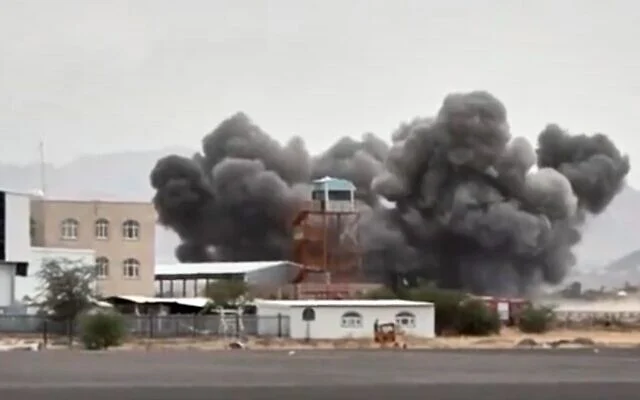
The Kramatorsk bus attack has become a grim symbol of a shift in Russia’s war on Ukraine. On Thursday morning, a Russian glide bomb hit two passenger buses in the eastern town, killing at least 30 people and wounding 18, according to regional authorities. Kyiv says it was no accident, and analysts argue it reflects a deliberate strategy to cripple the country’s ability to move.
What Happened in Kramatorsk
Glide bombs are dropped from aircraft on the Russian side of the front line and can glide to fixed coordinates. The street hit in Kramatorsk lies about 20 kilometres from the front.
Regional administration head Vadym Filashkin said Russia is deliberately targeting civilians, noting that a bus full of passengers is an attractive target because a single strike can kill so many. He suspended all public transport in Kramatorsk and neighbouring Sloviansk. Russia has long denied targeting civilians.
A New Phase of the Campaign
Volodymyr Fesenko, head of the Penta think tank in Kyiv, called this a new Russian tactic. Moscow once concentrated on cutting electricity and heating. Now, he says, the aim is also to immobilise infrastructure and create a transport collapse, while rattling people psychologically and disrupting everyday life. In his view, the goal is to coerce Ukraine toward peace on Russian terms.
The targets now include trains, minibuses, petrol stations, bridges, seaports and freight ships.
Why Transport Matters So Much
With civilian flights grounded since the 2022 invasion, trains, buses and trucks are Ukraine’s lifelines. Railways carry almost two-thirds of freight, including steel, grain and vegetable oil exports that keep the economy running.
The human toll is rising:
- The UN says 15,280 civilians were killed or injured in the first eight months of 2026, 55 percent more than in the same period of 2025
- At least 521 locomotives have been hit since 2022, about three-fifths of them this year, according to Ukrzaliznytsia
- The deadliest train attack killed five passengers in Kharkiv region in January
How the Drones Have Changed
Drone pioneer Andriy Pronin says the newer Russian drones are jet-powered, carry bigger payloads and are flown by human operators over a wireless mesh network in which each drone relays the signal. They are far harder to jam or shoot down.
Signals sometimes pass through modems placed on rooftops or in apartments by Ukrainians recruited by Russian intelligence, including teenagers paid via Telegram. Officials also suspect smuggled Ukrainian SIM cards and signals from providers in Belarus. As a result, these drones can reach almost anywhere, including once-safe western regions.
Fear on the Ground
On September 14, a Russian drone struck a locomotive at Yahodyn station in western Ukraine, thirty minutes after a train carrying Boris Johnson crossed into Poland. David Petraeus was reportedly on a nearby train.
In Kyiv, 24-year-old cafeteria worker Alyna fled into the metro when drones hit near the central station on September 23, burning down the Puck building. In Zaporizhzhia, a professor described hearing drones buzz beside minibuses. On July 6, an AI-driven drone programmed to strike a petrol station killed her 18-year-old student and two other civilians.
What to Watch Next
- Whether public transport in the Donetsk region resumes safely
- Further strikes on railways, ports and fuel stations
- Ukrainian efforts to locate the ground modems feeding the drones
- International reaction to attacks on civilian vehicles
The Bottom Line
Russia’s strategy now reaches beyond the front line and into daily life, turning every bus ride and train journey into a risk. For Ukraine, protecting its transport arteries is becoming as urgent as defending its power grid.
Author