





Iran Rejects Pakistan’s Uranium Transfer Plan, Tells Asim Munir Nuclear Material Stays Home
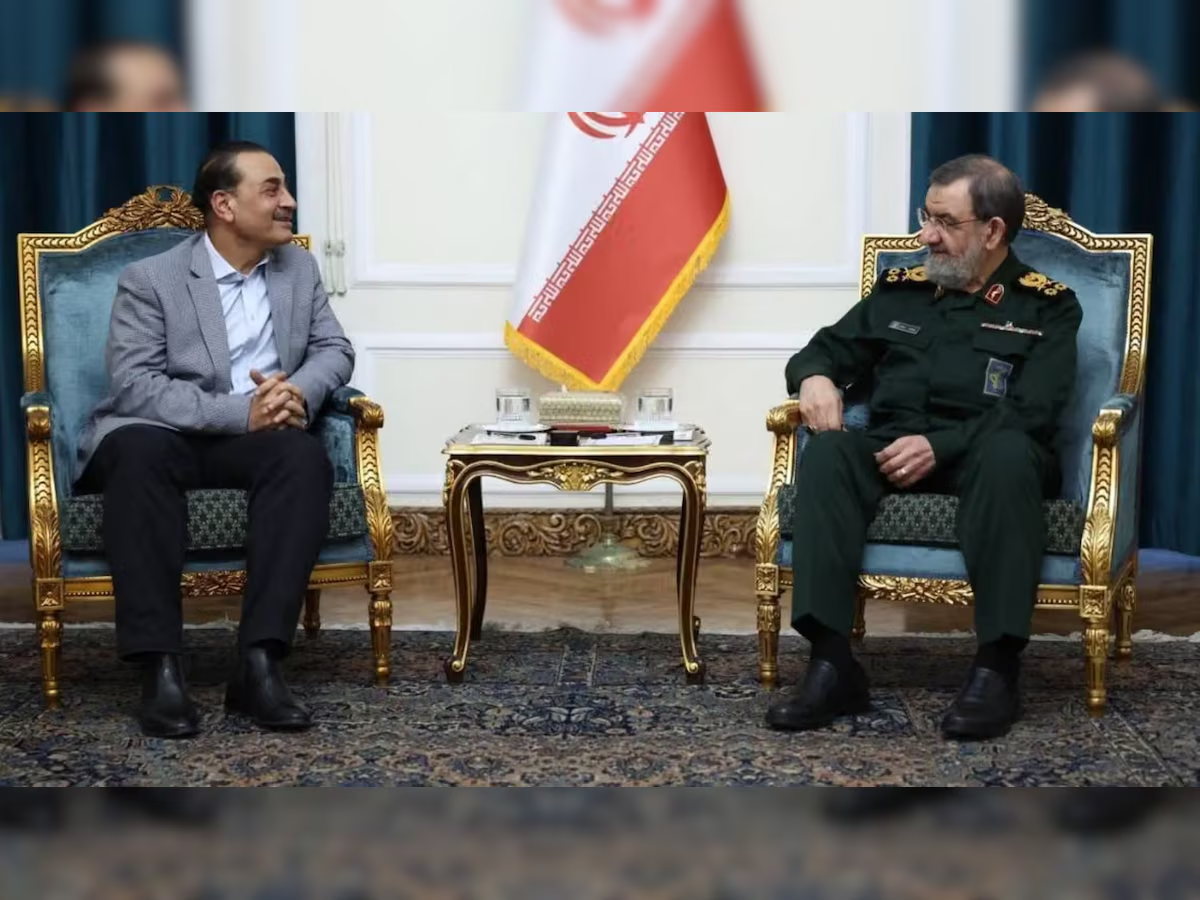
Iran enriched uranium transfer proposals have hit a wall in Tehran, where Pakistan’s military chief Asim Munir was told in unambiguous terms that not a single gram of nuclear material would be shipped out of the country. The rebuff deals a blow to Islamabad’s renewed attempt to broker an end to the war between Iran and the United States.
The idea at the centre of Pakistan’s plan was straightforward: Iran would move a portion of its enriched uranium stockpile to a third country as a confidence-building step toward a broader settlement. Iranian leaders made clear during Munir’s visit that the proposal is a non-starter.
“National Wealth” That Will Not Leave
The most forceful rejection came from Mohsen Rezaei, secretary of Iran’s Supreme National Security Council. He told the visiting Pakistani commander that no enriched material whatsoever would be allowed out of Iran, describing the stockpile as a major national asset belonging to the Iranian people and intended for domestic use.
Rezaei went further, ruling out any negotiations with Washington until the Americans take concrete steps to restore trust. That process, he said, must begin with the United States meeting the conditions Iran has already laid out.
A United Front From Iran’s Leadership
Munir heard the same message from every senior figure he met. President Masoud Pezeshkian dismissed the notion of talking while under American threat, insisting that Washington must first lift both its threats and its sanctions before any dialogue could begin.
Pezeshkian also offered a candid assessment of the public mood. Iranians, he said, no longer trust the United States and widely believe that entering negotiations would simply invite another attack.
Parliament speaker and chief negotiator Mohammad Bagher Ghalibaf echoed the stance, saying Iran had nothing new to add and that America could not win Tehran’s confidence without satisfying seven specific conditions. He added that military pressure and manoeuvres would not alter Iran’s strategic calculations.
Why Pakistan Is in the Middle
Islamabad has positioned itself as the principal go-between in a conflict that has few other viable channels. Its credibility as a mediator rests on relationships with both sides, but the effort has struggled to gain traction.
A Pakistan-backed truce in June briefly halted the fighting but collapsed without producing a framework for a lasting resolution. Indirect contacts between American and Iranian officials on the margins of the UN General Assembly likewise ended without progress. Munir’s trip to Tehran represents a fresh push to revive the process, and the uranium transfer idea was meant to be its centrepiece.
How the War Began
The conflict erupted in late February when the United States and Israel launched a series of deadly strikes on Iran. The timing was particularly striking because Washington and Tehran were engaged in negotiations over Iran’s nuclear programme at the very moment the attacks began.
That sequence helps explain the depth of Iranian distrust. From Tehran’s perspective, it was negotiating in good faith when it was bombed, and officials have repeatedly cited that experience as the reason they will not return to the table without guarantees.
What Iran Wants
Tehran has set out a list of demands that must be met before it will stop fighting. Among the conditions made public are:
A ceasefire covering the entire Middle East, not just Iran.
The release of Iranian assets frozen in foreign banks.
The removal of sanctions targeting the country’s oil industry.
The full set of seven conditions referenced by Ghalibaf has not been detailed in its entirety, but the three above indicate the scale of what Iran expects in return for peace.
The Uranium Question
At the heart of the dispute is Iran’s stockpile of uranium enriched to 60 percent purity. That level sits well above what is needed for civilian power generation and uncomfortably close to the 90 percent threshold associated with weapons-grade material.
Iran has consistently refused to hand this material over to any outside party. It has, however, previously hinted at a willingness to dilute the stockpile within its own borders, reducing the enrichment level under some form of oversight. That option remains a possible avenue for compromise, though Iranian officials gave no indication during Munir’s visit that they were ready to pursue it.
Washington and its allies have imposed successive rounds of sanctions on Iran over the years, accusing it of pursuing nuclear weapons. Tehran has always denied harbouring any such ambition, maintaining that its programme serves peaceful purposes.
Where Mediation Goes From Here
The outcome of Munir’s visit leaves Pakistan’s diplomatic effort in a difficult spot. The one concrete proposal it brought to Tehran has been rejected outright, and Iran’s leadership has made clear that the burden of the next move lies entirely with Washington.
That leaves a few possible paths forward:
The United States could offer partial sanctions relief or security assurances to meet some of Iran’s conditions.
Mediators could shift focus toward in-country dilution of uranium rather than transfer abroad.
The impasse could simply persist, with the war continuing in the absence of any agreed framework.
For now, the gap between the two sides appears as wide as ever. Iran insists it will not negotiate under fire, and the United States has shown little appetite for lifting pressure without nuclear concessions. Pakistan’s challenge is to find a formula that bridges that divide, and Tuesday’s talks suggest it has not found one yet.
Author