





US Revokes Over 300,000 Visas in Record Crackdown Even as Rubio Woos India on Trade
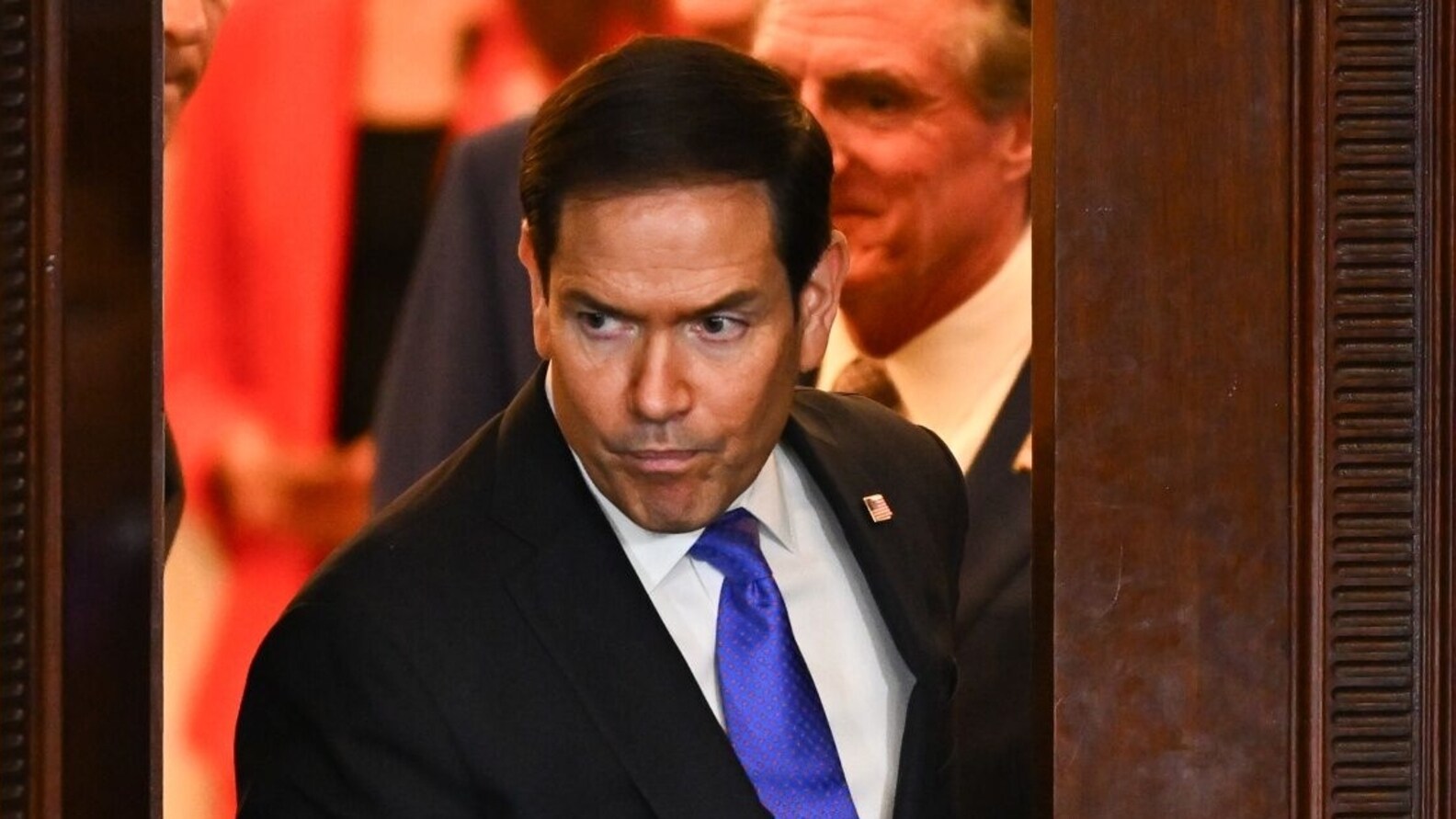
US visa revocations have surged past 300,000 since Donald Trump returned to the White House in January 2025, the State Department announced on Tuesday, a figure that nearly doubles the total reported just two months ago. The timing was striking: the disclosure landed as Secretary of State Marco Rubio sat down with Indian officials in New Delhi to talk energy deals and expanded purchases of American technology.
The juxtaposition captured a tension at the heart of the administration’s foreign policy. Washington is courting partners abroad for trade and strategic cooperation while simultaneously making it harder than ever for their citizens to live, work and study in the United States.
A Sharp Acceleration
The pace of cancellations has picked up dramatically. On August 10, the State Department put the number of revoked visas at more than 175,000. By Tuesday, that figure had climbed to over 300,000, meaning roughly 125,000 visas were cancelled in the space of about ten weeks.
Department spokesperson Tommy Pigott, announcing the milestone on X, claimed the administration was revoking visas faster than any of its predecessors. He framed the policy as one of zero tolerance toward foreign nationals who break the law, engage in fraud or threaten national security.
Who Is Being Targeted
The official justification centres on criminality, fraud and security. But civil rights advocates argue that the net has been cast far wider than those categories suggest. Among the cases that have drawn criticism:
Foreign nationals who took part in pro-Palestinian demonstrations against Israel’s military campaign in Gaza.
Individuals whose social media posts commented on the assassination of conservative commentator Charlie Kirk.
Members of immigrant communities swept up in broader scrutiny triggered by isolated fraud allegations, including Somali Americans in Minnesota.
The administration has also initiated deportation proceedings against foreign protesters and expanded social media screening for visa applicants and immigrants, a practice that critics say chills free expression by making online speech a factor in immigration decisions.
The Due Process Concern
Rights groups contend that the government is using national security as a catch-all label to silence critics and that the revocation process offers little opportunity for those affected to contest the decision. Visa holders often learn their status has been cancelled only when they attempt to re-enter the country or receive a notice with minimal explanation.
There are also concerns about profiling. Advocates warn that individual cases of alleged wrongdoing are being used to justify sweeping examination of entire ethnic or national communities, raising the spectre of discrimination based on origin rather than conduct.
The administration rejects these characterisations, insisting its measures are lawful, necessary and focused on protecting Americans.
Rubio’s Message in New Delhi
While the numbers were being released in Washington, Rubio was emphasising partnership in India. He described the two countries as having an extraordinary alignment on fundamental issues, while acknowledging differences on some matters.
The talks focused on energy trade and on persuading India to buy more American technology, part of a broader push to deepen commercial ties with the world’s most populous nation and a key counterweight to China.
The visa figures complicate that message. India is among the largest sources of skilled workers, students and tourists entering the United States, and Indian nationals hold a significant share of employment-based visas. A crackdown that makes American visas less secure and more expensive inevitably affects the very people the administration hopes will drive closer economic ties.
Legal Immigration Under Pressure Too
Trump campaigned in 2024 on halting illegal immigration, and deportations and border enforcement have been central to his second term. But the administration’s actions have extended well into the legal immigration system.
Steep new fees have been attached to certain work visas. Green Card sponsorship rules are being enforced aggressively, with technology companies including Cloudera, Microsoft and Adobe facing suspensions from the permanent labor certification program. Social media vetting has expanded. The cumulative effect is a legal pathway that is narrower, costlier and less predictable than before.
For foreign professionals, particularly those from India who form the backbone of the H-1B workforce, the message is that a visa is no longer a stable foundation on which to build a life.
Two Policies, One Government
The split-screen of Tuesday’s events is unlikely to resolve soon. The administration sees no contradiction between seeking trade partnerships and tightening immigration; in its view, the two serve the same goal of putting American interests first.
Critics see something different: a government asking foreign nations for cooperation while treating their citizens with suspicion, and a security rationale stretched to cover speech and protest that would be protected if expressed by Americans.
What Comes Next
The revocation count will almost certainly continue to climb. Legal challenges to individual cases are working through the courts, and some may eventually test the limits of the administration’s authority. Meanwhile, countries like India will weigh the benefits of closer ties against the treatment of their nationals.
For now, the numbers speak for themselves. More than 300,000 people who once held permission to be in the United States no longer do, and the administration regards that as an achievement.
Author