Governments Finally Tackle Fossil Fuel Transition Head-On as Global Energy Taboo Crumbles
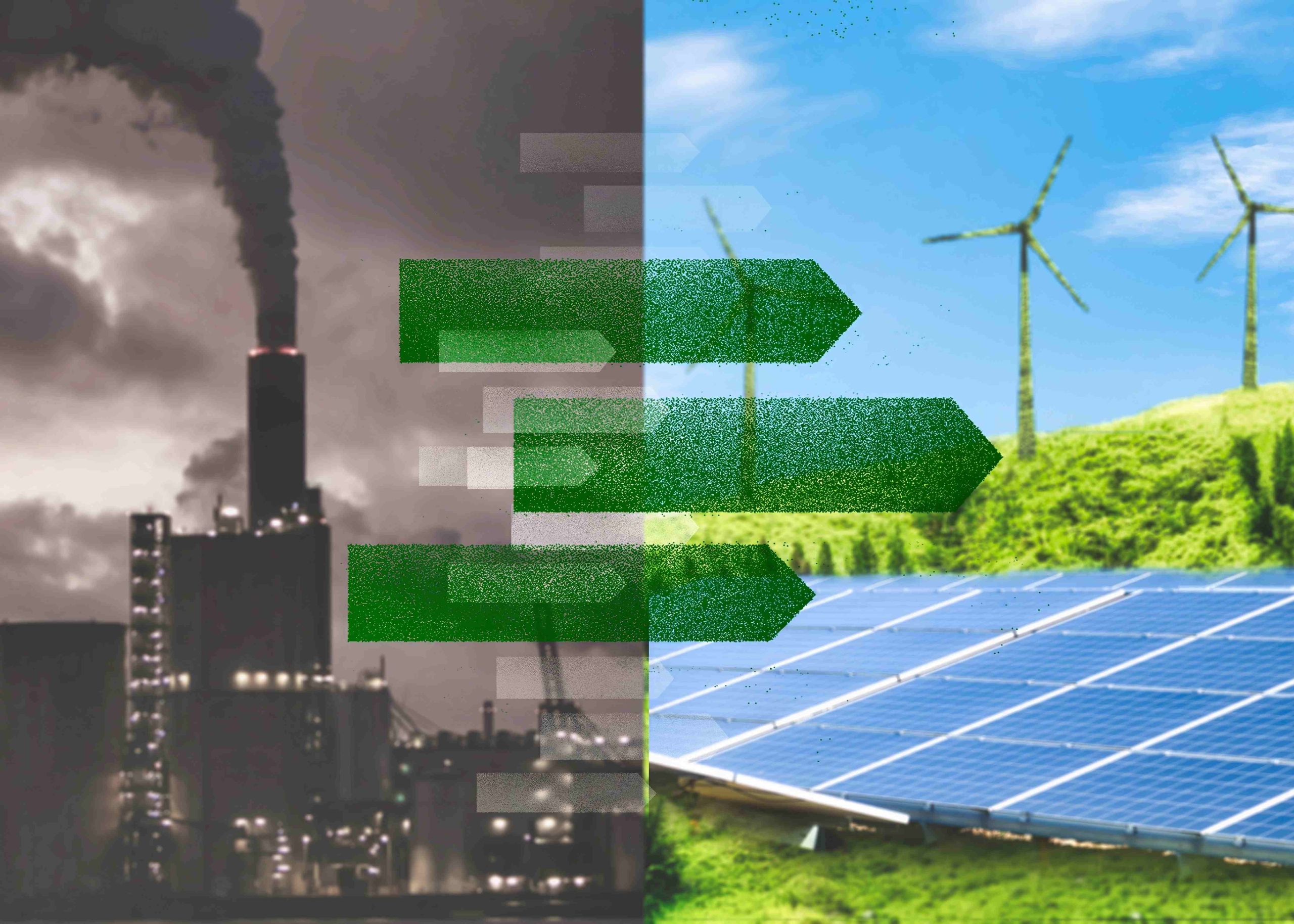
The fossil fuel transition is finally being discussed openly on the global stage, breaking decades of diplomatic silence on the world’s most pressing climate challenge. After years of vague language and watered-down agreements, a new wave of international cooperation is emerging, signaling that governments are finally ready to confront the energy elephant in the room.
Frustration With the COP Process
For more than three decades, the United Nations has hosted its annual Conference of the Parties, better known as COP, to address climate change. But after 30 of these summits, patience among many participants is wearing thin. A growing chorus of critics argues that the entire system is built on a flawed foundation, requiring global consensus before any meaningful action can move forward.
This consensus-driven model has often resulted in agreements that reflect the lowest possible commitment, designed to appease nations least willing to take action. Nowhere is this more evident than in discussions about phasing out fossil fuels, which have consistently faced resistance from the world’s largest oil, gas, and coal producers.
A New Forum With a Different Vision
This week, however, marked a notable shift. A new international conference launched in Colombia with a sharp and specific focus: how to transition away from fossil fuels. Unlike COP gatherings, this event was not designed to find common ground among all nations. Instead, it was created exclusively for governments genuinely committed to making the transition happen.
The question now is whether this fresh approach can succeed where decades of UN climate negotiations have struggled.
Why Critics Almost Dismissed It
At first glance, the Santa Marta conference in Colombia could have been written off as another symbolic gathering. The world’s three largest carbon emitters, namely China, the United States, and India, were absent. Most major fossil fuel producing nations also stayed away. There were no major binding agreements signed, and the most attention-grabbing announcement, France’s plan to phase out coal, oil, and gas, was largely a repackaging of policies the country had already committed to.
Yet despite these limitations, the event carried much greater significance than it first appeared.
A Long History of Avoiding the Topic
For most of the modern climate era, international negotiations have danced around the central cause of global warming. Astonishingly, the term “fossil fuels” did not appear in the final agreed text of the first 25 UN climate summits. That silence was finally broken at COP26 in Glasgow in 2021, although in extremely cautious language about phasing down unabated coal power and inefficient fossil fuel subsidies.
Two years later, at COP28 in Dubai, the world finally acknowledged what had long been obvious. Countries officially agreed that addressing climate change would require transitioning away from fossil fuels in energy systems. While this was historic, real action did not follow at the same pace as the rhetoric.
At COP30 in Brazil last year, several nations attempted to push for a concrete roadmap on how this transition could actually occur. They were unsuccessful. Once again, the final summit text avoided directly mentioning fossil fuels.
Who Showed Up in Colombia
Against this backdrop, the launch of the first intergovernmental conference dedicated specifically to the fossil fuel transition was notable, regardless of how many countries attended. As it turned out, more than 50 nations sent delegations to the port city of Santa Marta, including significant fossil fuel producers such as Canada, Brazil, Norway, Mexico, Nigeria, Angola, Australia, the United Kingdom, and Colombia.
Other participating economies included Chile, Bangladesh, Turkey, and the European Union, along with separate delegations from major EU member states. Small climate-vulnerable nations such as Vanuatu and the Maldives also attended. Together, the participating countries represented roughly one-fifth of global fossil fuel production and around one-third of consumption.
Notable absences included Saudi Arabia, Russia, China, India, and the United States under the Trump administration, which has actively opposed efforts to move away from fossil fuels. Colombia’s environment minister, Irene Vélez Torres, who co-chaired the conference with Dutch counterpart Stientje van Veldhoven, explained that countries pursuing an extractivist agenda were intentionally not invited.
A Different Theory of Change
This selective approach would be a problem if the goal had been to build global consensus, but that was never the intention. Instead, the gathering operated on a different premise entirely. The idea is that a sufficiently large coalition of ambitious nations can drive momentum forward, demonstrate the benefits of the transition, and gradually pull other countries along.
Climate experts argue that this approach could prove more effective than waiting for unanimous agreement, which has proven painfully slow.
What Was Actually Discussed
At Santa Marta, participating nations explored how trade measures and bilateral agreements could be used to support the shift away from fossil fuels. Discussions also touched on the possibility of a binding intergovernmental treaty, an idea currently being studied by more than a dozen countries, including Colombia, Pakistan, and Kenya. While this treaty was not formally endorsed at the conference, it remains on the table for future negotiations.
France drew significant attention by releasing its formal roadmap to phase out fossil fuels for energy use by 2050. Although the individual targets were not new, the very act of publishing a dedicated strategy document focused on ending fossil fuel use sets a powerful precedent. Other governments may now feel more comfortable engaging openly on this topic.
A new international workstream was also announced, designed to help other countries develop similar transition plans alongside parallel efforts focused on trade and finance.
Looking Toward COP31 in Turkey
The Santa Marta conference happened just as Brazil prepares to present a global roadmap proposal at this year’s COP31 summit in Turkey. Brazil took on this responsibility as the host of last year’s COP30, even though that summit failed to reach consensus on whether a roadmap should be developed.
Submissions from other governments have been pouring in. Timor-Leste, representing the 44-nation Least Developed Countries group, emphasized the urgent need for expanded green energy financing. The European Union called for the roadmap to highlight carbon pricing and an end to new oil drilling and coal power projects. South Korea cautioned against a one-size-fits-all approach, while Russia objected to the very idea of restricting specific energy sources.
The Path Ahead
This kind of robust debate is exactly what the world needs if the fossil fuel transition is to be taken seriously. For too long, governments have approached this subject with strange reluctance, treating it as a topic too sensitive to address openly. That era now appears to be ending.
The conversation will continue when Brazil presents its roadmap proposal at COP31 in Turkey this November, and again at the second fossil fuel transition conference, which will be co-hosted by Tuvalu and Ireland early next year.
A key question moving forward is whether this coalition of willing nations can grow to include major fossil fuel producers and consumers like China, which recently made an unusually direct statement calling for strict control of fossil fuel consumption. Local Chinese officials have even been warned that they will be evaluated based on how well they follow this guidance.
A long-standing and unnecessary global taboo is finally crumbling. Whether this leads to real, lasting change will depend on how quickly the coalition of committed nations can grow and how boldly they choose to lead.
Author