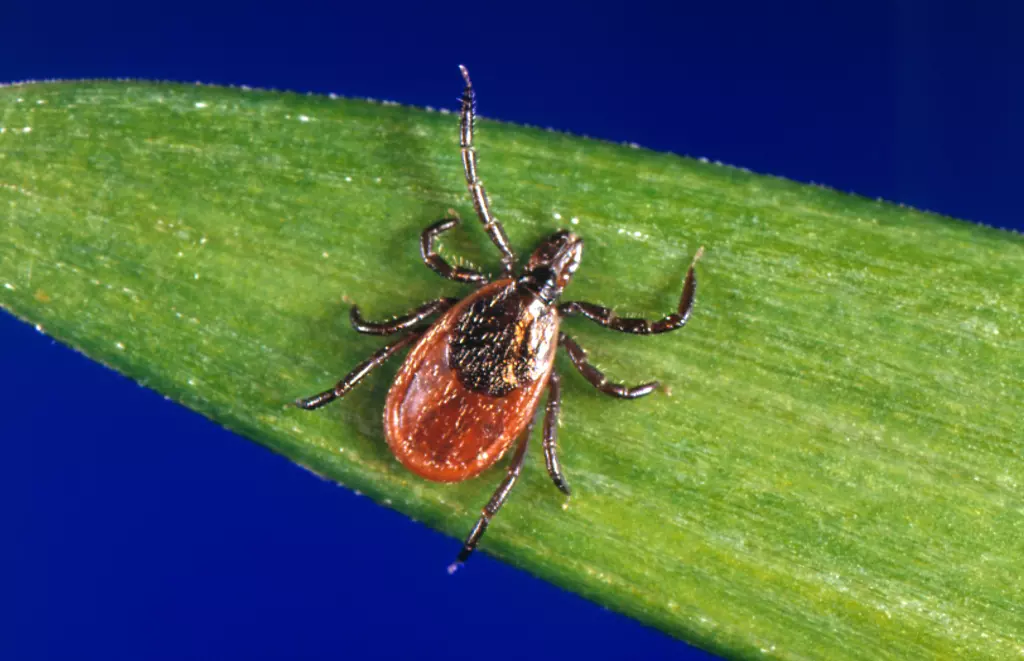
Tick Season 2026 Is Already Severe: How to Protect Yourself from Lyme and Other Diseases
Tick season has arrived early and aggressively this year, raising concerns among health experts and the general public. April alone saw the highest number of emergency room visits for tick bites since 2017, signaling that 2026 could be one of the most challenging years on record for tick-borne illnesses. With ticks expanding into new regions and carrying multiple diseases at once, knowing how to protect yourself has never been more important.
A Worrying Start to the Season
For decades, millions of Americans have shared their environments with ticks, those tiny arachnids best known for spreading Lyme disease and other infections. But the situation is shifting in concerning ways. As global temperatures rise and human development pushes deeper into wooded and grassy areas, the chances of encountering ticks have grown significantly.
Today’s ticks are surviving harsher winters, remaining active for longer stretches of the year, and showing up in places where they were once rare. They are also increasingly carrying more than one type of disease per tick, which complicates both diagnosis and treatment.
Ticks Are Moving Into New Territory
Climate change, along with several other environmental factors, is pushing ticks into regions where they have never been common before. According to Dr. Bobbi Pritt, a professor of laboratory medicine and pathology at the Mayo Clinic, this means people are now being exposed to species they have never had to deal with in the past.
Blacklegged Ticks (Deer Ticks)
Blacklegged ticks, often referred to as deer ticks, have traditionally thrived in the Northeast and Upper Midwest. Each year, however, they are pushing further north and gaining ground in some Southern states as well. These are the ticks most often associated with Lyme disease, although they can also carry several other infections.
Lone Star Ticks
Native to the Southern United States, lone star ticks have spread dramatically over recent decades. They have now established populations as far north as Long Island and Martha’s Vineyard. Their bites are notable for potentially triggering alpha-gal syndrome, a serious red meat allergy, along with various bacterial and viral infections.
Gulf Coast Ticks
Once limited to areas within about 100 miles of the Gulf of Mexico and the southern Atlantic Coast, Gulf Coast ticks have now been spotted in states like Maryland and Ohio. They are known to transmit Rickettsia bacteria, which can cause serious illness if untreated.
Asian Longhorned Ticks
The Asian longhorned tick is an invasive species that was first identified in the United States back in 2017 in New Jersey. Since then, it has spread at an alarming rate, reaching states as far apart as Oklahoma and Connecticut. Researchers, including Laura Goodman of Cornell University, have confirmed in laboratory settings that this tick can transmit Rocky Mountain spotted fever, although scientists are still working to determine the full range of pathogens it may carry.
More Ticks Are Carrying Multiple Diseases
One of the most troubling developments is the rise in ticks carrying multiple pathogens at once. Blacklegged ticks, for example, are well known for spreading Lyme disease, but they can also transmit lesser-known illnesses such as anaplasmosis, a bacterial infection, and babesiosis, a parasitic infection similar to malaria.
Although these conditions are still relatively rare, both the number of cases and the likelihood that a single tick carries multiple diseases are increasing. A recent study conducted in New York’s Hudson Valley examined more than 2,000 ticks and found that the percentage of nymphs carrying both Lyme-causing bacteria and Babesia jumped from just 3.5 percent in 2014 to 10.8 percent in 2022.
This trend is particularly concerning because Babesia does not respond to the same antibiotics that treat Lyme disease. Instead, it requires a two-drug treatment regimen. According to Shannon LaDeau, lead author of the study and a disease ecologist at the Cary Institute of Ecosystem Studies, a patient unaware they have babesiosis will not receive the proper medications, which can be especially dangerous.
While some people with babesiosis show only mild flu-like symptoms or none at all, the infection can damage red blood cells, the kidneys, liver, and spleen. In severe cases, particularly among people with weakened immune systems, it can be life-threatening.
Time-Tested Prevention Methods Still Work Best
Despite all the changes in tick behavior and disease patterns, the basic precautions remain the most effective defense. Dr. Pritt emphasizes that good old-fashioned preventative habits are still your best bet.
Practical steps you can take include:
- Tucking your pants into your socks
- Wearing long sleeves whenever possible
- Choosing light-colored clothing so ticks are easier to spot
- Using a lint roller to catch tiny nymph-stage ticks
- Applying permethrin to clothing and DEET or picaridin to exposed skin
It’s also worth remembering that you do not need to be deep in the woods to encounter ticks. They can also be found in backyards, gardens, and city parks.
What to Do After Spending Time Outdoors
After being outside, do a thorough body check. Pay extra attention to warm and damp areas like the underarms, groin, behind the ears, the scalp, and the back of the knees.
If you find an attached tick, use a pair of tweezers to grasp it as close to the skin as possible and pull it out steadily. Wash the bite area with soap and water afterward. Do not crush the tick with your fingers. Instead, dispose of it by sealing it in tape or placing it in alcohol.
It’s a smart idea to try to identify the species of tick that bit you. Some smartphone apps can identify ticks from a photo, or you can place the tick in a sealable bag and freeze it in case you need to bring it to a doctor later.
Watch for Symptoms
Common symptoms of tick-borne illnesses include fever, rashes, muscle aches, and headaches. A bullseye-shaped rash is particularly associated with Lyme disease, although not every infected person develops one. If you experience any of these symptoms after a tick bite, doctors recommend asking to be tested for all the diseases known to be carried by that specific species or by ticks common in your region.
Hope Is on the Horizon
Although prevention, diagnosis, and treatment options remain limited, scientists are actively working to improve the tools available.
For example, while a Lyme vaccine has long been available for dogs, no vaccine currently exists for humans. However, Pfizer recently announced that its experimental Lyme disease vaccine appeared to significantly reduce infections in trials. The vaccine still requires four doses, and there is some uncertainty about its exact protective effect, but several experts say they would support its use in high-risk regions if it receives FDA approval.
Diagnostic technology is also improving. Dr. Christopher Bazzoli, an emergency physician at the Cleveland Clinic, and Dr. Goodman have both pointed to a pair of Lyme tests from IGeneX, which received FDA approval in 2024 and 2025, as promising new options. Other companies are also developing diagnostic tools that could become widely available within the next year or two.
As Dr. Bazzoli put it, testing technology is heading in the right direction, even if a true breakthrough has not yet arrived.
Stay Aware, Stay Protected
The 2026 tick season serves as a powerful reminder that small, simple habits can make a big difference in protecting your health. By staying informed, taking precautions, and acting quickly when bites do happen, you can significantly reduce your risk of tick-borne diseases. As ticks expand their reach and the threats they pose evolve, vigilance has truly become the best medicine.
Author