Rectal Cancer Warning Signs Every Young Adult Should Know as Cases Surge in 30s and 40s
The rectal cancer warning signs that once seemed irrelevant to anyone under 50 are now demanding urgent attention from a much younger population. A troubling new trend is showing a sharp rise in rectal cancer deaths among adults in their 30s and 40s, leaving doctors, researchers, and patients searching for answers. With high-profile cases bringing national attention to the issue, understanding the early symptoms and risk factors has never been more important.
A Disturbing Trend Among Young Adults
The deaths of actors Chadwick Boseman and James Van Der Beek, both of whom passed away from colorectal cancer in their 40s, have helped bring this growing health crisis into the public spotlight. Their stories are part of a larger and deeply concerning pattern showing that colorectal cancer is increasingly affecting younger adults each year.
Colorectal cancer, an umbrella term for both colon and rectal cancers, has become the leading cause of cancer-related deaths among adults under 50. Recent research suggests that if current trends continue, rectal cancer specifically could become the top cause of cancer deaths in this age group by 2035. That projection has alarmed both medical professionals and public health experts.
Understanding the Difference Between Colon and Rectal Cancer
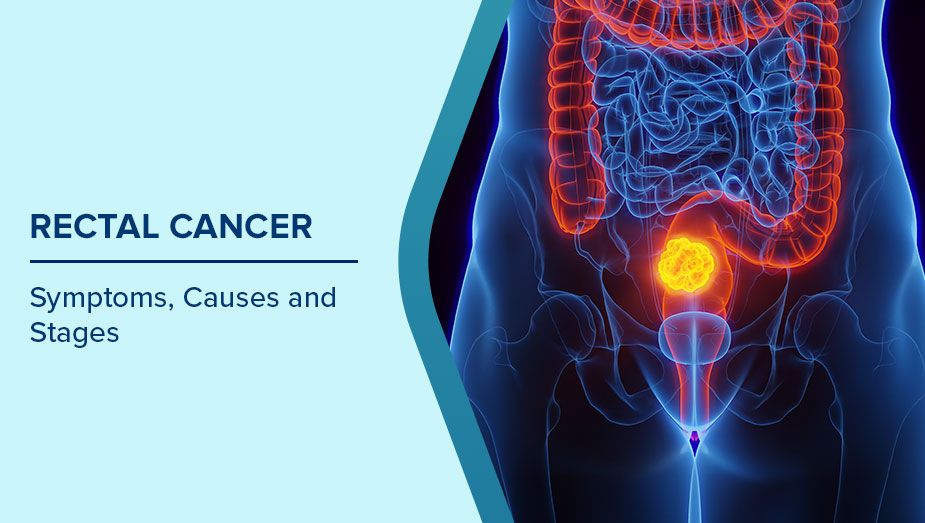
While colon and rectal cancers are closely related, they differ in location within the body. According to Dr. Jatin Roper, a gastroenterologist at Duke Health and associate professor at Duke University School of Medicine, the rectum is essentially the final section of the colon, just before the anus. Because the tissue in these two areas is biologically very similar, the conditions are often grouped together under the umbrella term colorectal cancer.
Dr. Michael Foote, a gastrointestinal medical oncologist at Memorial Sloan Kettering Cancer Center, explains that rectal tumors share many similarities with colon tumors, but they originate specifically within the rectum.
The Most Common Warning Signs of Rectal Cancer
Recognizing the early symptoms of rectal cancer can make a life-saving difference. According to specialists, the following are the most common signs people should never ignore:
Rectal Bleeding
The most frequently reported symptom is rectal bleeding. Foote notes that this red flag is especially common among younger patients diagnosed with the disease. The blood may appear bright red or dark red, and it can show up either while passing stool or at random times during the day. Some people notice it on toilet paper when wiping, while others may find blood mixed into their stool itself. Stools may even appear maroon in color.
Unfortunately, this symptom is often mistaken for hemorrhoids or menstrual bleeding, which can delay diagnosis and treatment.
Abdominal Pain
Persistent or unexplained abdominal pain is another widely reported warning sign. While stomach discomfort can have many causes, ongoing pain that does not resolve should always be discussed with a healthcare provider.
Other Important Symptoms
Other symptoms commonly associated with rectal cancer include:
- Changes in bowel habits
- Constipation
- Thinner-than-usual stools
- Persistent fatigue
- Unexplained weight loss
- Anemia
Because rectal cancer develops at the end of the colon, patients are more likely to notice thinner stools or visible blood compared to those with cancer higher up in the digestive tract.
Why You Should Never Ignore GI Changes
Roper stresses that any noticeable change in gastrointestinal function deserves attention. Whether the change involves bowel habits, blood in the stool, or persistent pain, ignoring symptoms could cost valuable time. Some patients with rectal cancer experience no symptoms at all, which is why routine colorectal screenings remain so essential.
Why Cases Are Rising in Younger Adults
While rectal and colon cancer remain relatively rare in younger adults overall, the rate of increase has been striking. Research published by the American Cancer Society shows that colorectal cancer rates are dropping in people aged 65 and older, but rising sharply in younger generations.
According to Foote, colorectal cancer in adults under 50 has increased by 63 percent since 1988. Back then, about 8 in every 100,000 adults under 50 were diagnosed. Today, that number has climbed to 13 per 100,000.
Roper points out that the rate of rectal cancer is rising even faster than colon cancer, although the reasons remain unclear. Cases are increasing across generations, with people born in 2001 showing higher rates than those born in 1991, who in turn show higher rates than those born in 1981.
Even more concerning, recent reports indicate that colorectal cancer rates are now rising in teenagers as well. While the absolute numbers remain low, the speed of the increase is alarming.
Possible Causes Behind the Surge
Researchers are still working to identify exactly what is driving this disturbing trend. Several factors are being studied, including:
Lifestyle and Diet
Both Foote and Roper point to the Western diet as a possible major contributor. This eating pattern, which is high in animal fats, processed meats, refined grains, and sugary drinks while being low in vegetables and fiber, has become increasingly common since the mid-20th century.
The food landscape changed dramatically between 1950 and 1990, with the rise of fast food, the widespread use of preservatives, and the introduction of plastic food containers that may release microplastics into food.
Gut Microbiome Changes
Roper also suggests that shifts in the gut microbiome, the collection of bacteria living in the digestive tract, may play a role. Changes in diet, exercise habits, and lifestyle could be altering the balance of these microbes in ways that increase cancer risk.
Obesity and Diabetes
Both conditions are recognized risk factors for colorectal cancer. However, Foote notes that most younger patients diagnosed with colorectal cancer are neither obese nor diabetic, suggesting that other factors must also be at play.
How to Lower Your Risk
While there is no guaranteed way to prevent rectal cancer, there are clear steps that can significantly reduce your risk.
Get Screened on Time
Routine colonoscopies or stool-based tests should begin at age 45 for people at average risk. Roper recommends scheduling your first screening at least a year in advance of your 45th birthday so you don’t miss the window.
If a colonoscopy is difficult to arrange, alternatives like Cologuard or fecal immunochemical tests (FIT) are convenient at-home options. A positive result from either test should always be followed up with a colonoscopy.
People with a first-degree family history of colorectal cancer, such as a parent or sibling, may qualify for earlier screening.
Adopt a Healthy Diet
A Mediterranean-style diet is widely recommended. This includes:
- Plenty of vegetables, fruits, and whole grains
- Beans, seeds, and other sources of soluble fiber
- Limited red and processed meats
- Reduced consumption of sugary drinks
- Moderation when it comes to alcohol
Foote also suggests minimizing the use of plastic food containers, even though the link between microplastics and colorectal cancer is not fully established.
Manage Other Health Conditions
If you live with obesity or diabetes, talk with your doctor about lifestyle changes or medications that can help manage these conditions. Establishing care with a primary care provider is also crucial, especially for younger adults who often skip regular checkups.
Don’t Dismiss Your Symptoms
Roper emphasizes that the medical community has shifted in recent years to take symptoms in younger patients more seriously. Foote echoes this advice, urging anyone experiencing concerning symptoms to seek answers without delay. If a doctor dismisses your concerns, do not hesitate to seek a second opinion or escalate the issue.
A Final Word
The rise in rectal cancer cases among younger adults is a sobering reminder that no age group is immune to serious illness. Awareness, early detection, and proactive lifestyle changes are powerful tools in the fight against this disease. By learning the warning signs, scheduling timely screenings, and listening to your body, you can take meaningful steps to protect your long-term health.
Author