Trump Iran Peace Proposal Faces Skepticism as President Hints at Rejection
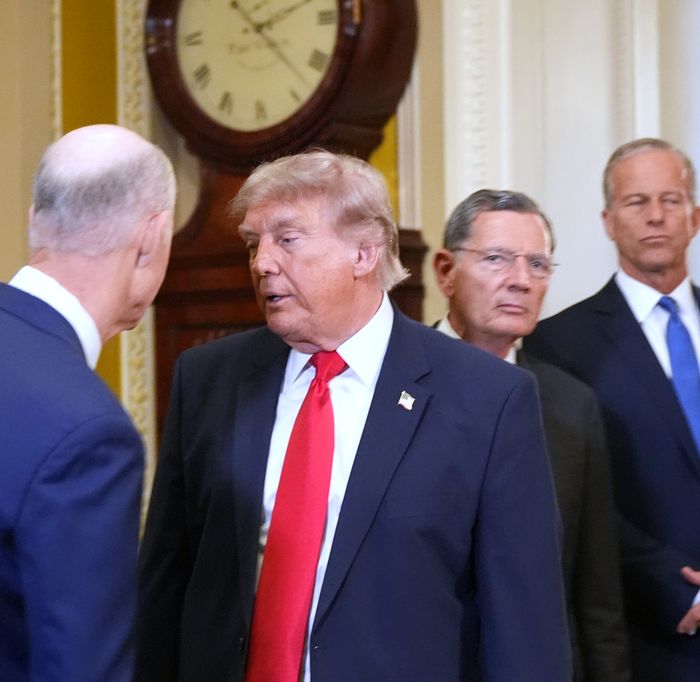
The latest Trump Iran peace proposal landed on the president’s desk over the weekend, but early signals from Washington suggest the diplomatic effort may stall before it even gets off the ground. Speaking to reporters on Saturday, Donald Trump said he would look over the new offer from Tehran, while making it clear he had serious reservations. According to him, Iran had still not “paid a big enough price” for its conduct over the past several decades.
A Fresh Offer Routed Through Pakistan
Two semi-official Iranian news outlets, Tasnim and Fars — both reportedly aligned with Iran’s Revolutionary Guard — confirmed that Tehran had sent a new 14-point proposal to Washington. As with earlier exchanges, the message was passed along through Pakistan, which has emerged as a key intermediary between the two adversaries.
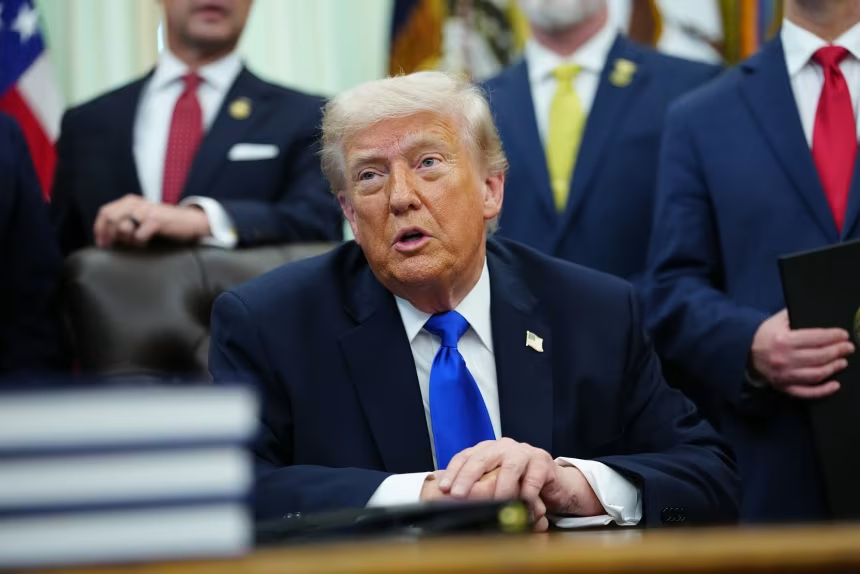
Before boarding Air Force One, Trump told the press he would share his thoughts on the proposal soon. “They’re going to give me the exact wording now,” he said, suggesting his team was still digesting the details.
Trump’s Social Media Pushback
The wait didn’t last long. Shortly after his airport remarks, Trump took to social media with a far less diplomatic tone. He wrote that he could not picture the proposal being acceptable, arguing that Iran had not paid an adequate price for what it had inflicted on humanity and the world over the past 47 years.
The post echoed a hardline position the administration has maintained throughout the conflict — one rooted in the belief that any agreement must come from a position of American leverage, not concession.
A Pattern of Rejected Offers
This isn’t the first time Tehran’s overtures have hit a wall. Trump turned down an earlier Iranian proposal just days before the latest one surfaced. Still, a fragile ceasefire has held since April 8, following the war that began in late February when the United States and Israel launched coordinated strikes on Iran. One round of peace talks, hosted in Pakistan, has already collapsed.
Iran Says the Decision Is Now America’s
Iran’s deputy foreign minister, Kazem Gharibabadi, addressed diplomats in Tehran with a pointed message — the responsibility now rests squarely with Washington. He said the United States must choose between diplomacy and continued confrontation, adding that Iran was ready for whichever path the Americans selected.
That framing positions Tehran as the willing negotiator and Washington as the obstacle, a narrative the Iranian government has worked hard to project internationally.
The Nuclear Question Remains Central
At the heart of the standoff is Iran’s nuclear program. The Trump administration has been unwavering on one point — there will be no end to the war without a binding agreement that blocks Iran from ever building a nuclear weapon. Trump cited this very concern when he ordered strikes in February, interrupting nuclear negotiations that were already underway.
Iran, for its part, continues to insist that its nuclear ambitions are entirely peaceful and aimed at civilian energy needs.
What’s in the 14-Point Proposal
According to Iranian media, the new proposal lays out a sweeping list of demands. Among the key points reportedly included are:
- Withdrawal of US military forces from regions surrounding Iran
- Lifting the American blockade on the Strait of Hormuz
- Release of Iran’s frozen overseas assets
- Compensation payments for damages
- Removal of economic sanctions
- An end to active hostilities on all fronts, including Lebanon
- A new oversight mechanism for the Strait of Hormuz
Several outlets, including Reuters, have reported that Tehran is now willing to reopen the strait even before resolving the broader nuclear dispute — a notable shift in posture.
Military Action Still on the Table
Despite the diplomatic chatter, Trump made it clear that force remains an option. Speaking to reporters in Florida, he warned that if Iran “misbehaved” or did “something bad,” renewed military action was a real possibility. The remark served as a reminder that the ceasefire, while holding, exists on shaky ground.
Pressure Tightens Around the Strait of Hormuz
Beyond the negotiating table, Washington is squeezing Iran economically. The United States issued fresh warnings to global shipping companies, telling them they could face sanctions if they paid Tehran for safe passage through the Strait of Hormuz.
Iran has effectively held the strait hostage since the war began, disrupting massive flows of oil, natural gas, and fertilizer that fuel the global economy. In response, the US Navy has imposed a blockade on Iranian ports, cutting off vital oil revenue that Tehran’s struggling economy depends on.
The economic ripple effects are already showing — global oil prices are now hovering around 50 percent higher than they were before the war.
A Broad Crackdown on Payments
The US Treasury has cast an unusually wide net with its latest warnings. Beyond traditional cash transactions, officials cautioned against payments to Iran in any form, including digital assets, informal swaps, offset deals, in-kind transfers, charitable contributions, and even payments routed through Iranian embassies.
The Road Ahead Looks Uncertain
For now, the future of the Trump Iran peace proposal hangs in the balance. Tehran has put its cards on the table with an ambitious set of demands, while Trump appears unwilling to budge without significant Iranian concessions. With military threats still in play and economic pressure intensifying, the path to a lasting agreement looks anything but smooth.
Whether this latest exchange becomes a genuine turning point or yet another failed attempt at peace will depend largely on whether either side is willing to move beyond entrenched positions in the days ahead.
Author