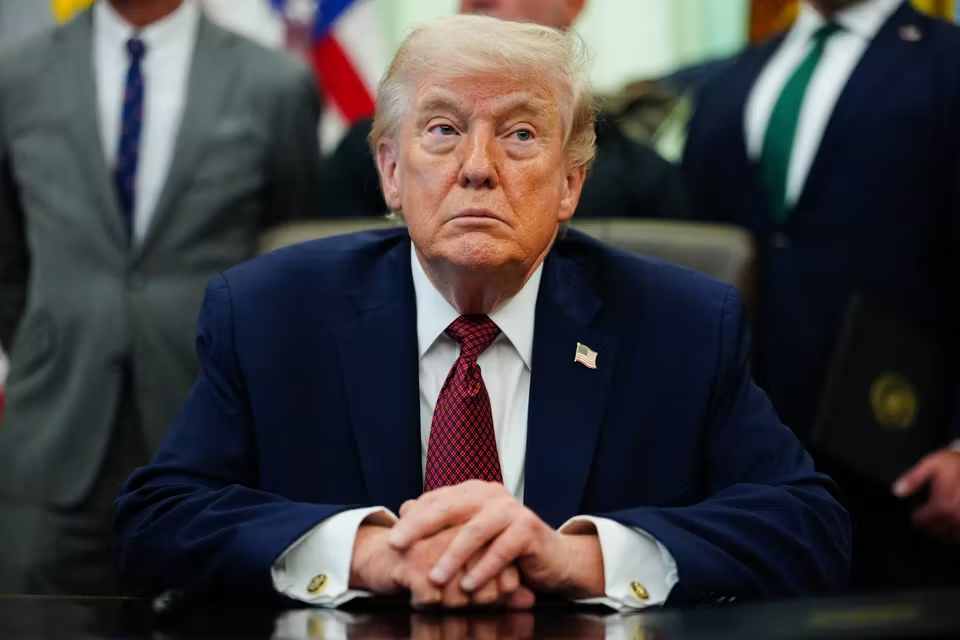
US Iran ceasefire update is once again capturing global attention after a chaotic stretch of military maneuvers, missile attacks, and high-stakes diplomacy. President Donald Trump’s announcement that he is pausing the U.S. mission known as Project Freedom has shifted the tone of the standoff. Combined with confirmation that the ceasefire still holds, the latest developments suggest that diplomacy may finally be gaining ground after weeks of escalating tension.
Trump Pauses Project Freedom Amid Diplomatic Progress
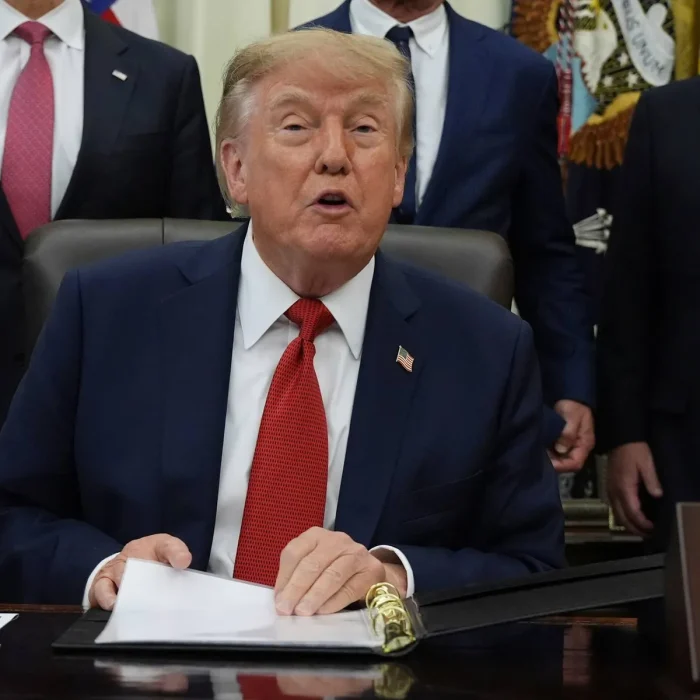
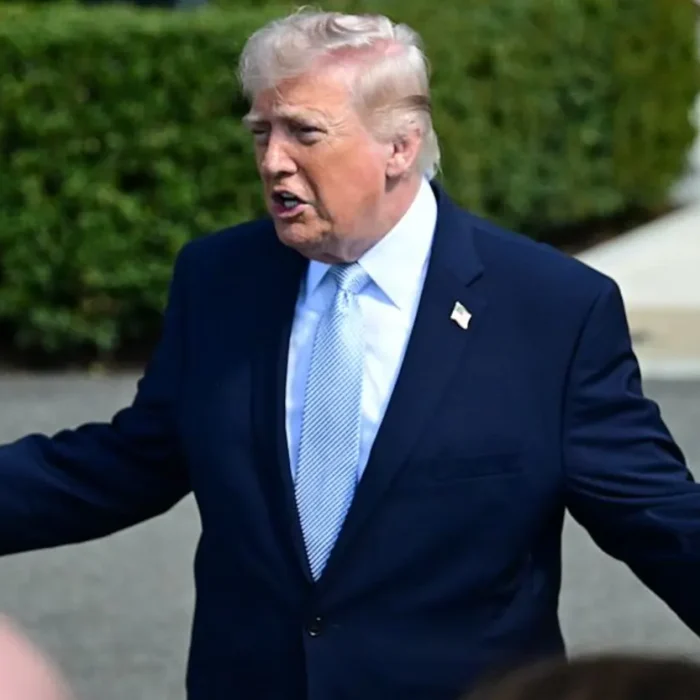
In a major development, President Trump has temporarily halted Project Freedom, the U.S. mission to guide commercial ships safely through the Strait of Hormuz. Trump announced the pause Tuesday night and indicated that the United States and Iran have made what he called “Great Progress” toward finalizing a broader agreement.
Trump said the decision came at the request of Pakistan, which has been quietly helping mediate diplomatic talks between Washington and Tehran. The fact that he highlighted Pakistan’s role suggests that backchannel diplomacy has been more active than previously known and may be approaching a breakthrough.
Pausing Project Freedom is a significant gesture for several reasons:
- It reduces the chances of immediate military confrontations in the Gulf
- It signals a willingness to give negotiations more breathing room
- It eases pressure on commercial shipping through the strait
- It provides Iran with a face-saving moment to step back from escalation
- It allows mediators like Pakistan to push talks toward resolution
While Trump did not commit to a permanent end to the operation, the temporary pause is being widely interpreted as a positive diplomatic signal.
Hegseth Confirms Ceasefire Still Holds
Secretary of Defense Pete Hegseth told reporters Tuesday that the U.S.-Iran ceasefire “certainly holds” for now. His comments came after a tense few days that included Iranian missile and drone attacks on the United Arab Emirates and dramatic naval encounters in the Strait of Hormuz.
Hegseth made clear that Project Freedom should be viewed separately from the ongoing ceasefire. According to him:
- Project Freedom was a temporary security mission
- The operation was launched specifically to protect commercial vessels
- It does not replace or contradict the existing ceasefire framework
- Both sides have continued to communicate through diplomatic channels
By drawing this distinction, Hegseth helped reduce the perception that ongoing U.S. naval activity meant the ceasefire was collapsing. Instead, the message from the Pentagon is that the ceasefire remains intact, even though some military readiness has been required to protect international shipping.
Operation Epic Fury Officially Ends
Earlier Tuesday, Secretary of State Marco Rubio confirmed that the U.S. military operation known as Operation Epic Fury has formally concluded. This offensive campaign was carried out earlier in the conflict and represented one of the most aggressive U.S. responses since tensions with Iran began escalating.
With Operation Epic Fury ending, the U.S. has now shifted into a different posture. According to Rubio, Project Freedom became the next phase of American involvement in the region, focused specifically on:
- Ensuring safe commercial shipping
- Protecting U.S. allies in the Gulf
- Reducing the risk of attacks on civilian vessels
- Containing further escalation in the Strait of Hormuz
Rubio also emphasized that despite the pause in offensive operations, U.S. Navy ships will continue to defend themselves if attacked. This came as American destroyers successfully fended off a sustained Iranian attack while escorting two commercial ships through the strait earlier this week.
A Tense Week in the Strait of Hormuz
The Strait of Hormuz, one of the most strategically important shipping lanes in the world, has been at the center of the latest crisis. Roughly 20 percent of global oil trade flows through this narrow waterway, making it an essential corridor for energy security worldwide.
In recent days, the strait has seen:
- Iranian missile and drone strikes against U.S. Navy vessels
- A reported attack on a South Korean-operated tanker
- Disruptions to commercial shipping traffic
- Heightened naval activity from multiple nations
- Increased insurance and security risks for shipping companies
The combination of military activity and diplomatic uncertainty has made the strait one of the most closely watched regions on Earth. Any escalation has the potential to spike global oil prices, disrupt supply chains, and unsettle financial markets across continents.
Iran’s Continued Attacks on the UAE
Despite the apparent diplomatic progress, Iran has continued targeting regional nations. The United Arab Emirates reported that Iran launched another wave of missile and drone strikes on Tuesday, marking the second consecutive day of attacks. This came after Iran fired 15 missiles at the UAE on Monday, wounding at least three workers.
The UAE has condemned the strikes and called the actions a serious threat to regional security. Multiple Gulf nations have echoed these concerns, with Saudi Arabia, Bahrain, Kuwait, and others issuing strong statements demanding an end to Iranian aggression.
The continued strikes raise complicated questions about how the ceasefire is being interpreted. While Iran and the U.S. may be talking, attacks on regional allies suggest that the broader framework of stability remains fragile.
Why Pakistan’s Role Matters
Trump’s mention of Pakistan as a mediator is one of the more interesting developments in this latest update. Pakistan has long maintained relationships with both Iran and the United States, giving it a unique diplomatic position. The country shares a border with Iran and has historically navigated complicated security challenges in the region.
Pakistan’s role likely brings several benefits to the talks, such as:
- Providing a neutral venue for back-channel discussions
- Translating concerns and signals between the two governments
- Reducing the chance of misinterpretations that could trigger escalation
- Offering a path for both sides to discuss without losing political face
- Helping coordinate logistical aspects of any potential agreement
The fact that Pakistan asked for the pause in Project Freedom suggests that negotiations may be entering a more delicate phase, where any aggressive military presence could derail progress.
Why a Final Deal Is So Important
A finalized U.S.-Iran agreement, if reached, could have major implications for the broader Middle East and the global economy. Some of the most important benefits could include:
- Stabilizing oil and gas markets around the world
- Reducing tensions across the Persian Gulf
- Lowering the risk of broader regional conflict
- Easing pressure on countries dependent on Gulf energy
- Allowing diplomatic resources to focus on rebuilding stability
A long-term agreement could also reshape U.S.-Iran relations more broadly, opening doors for issues that have been frozen for years, including economic, humanitarian, and strategic discussions.
Risks of a Fragile Ceasefire
Despite the progress, the situation remains volatile. Several risks continue to threaten the fragile ceasefire, including:
- Continued Iranian attacks on Gulf nations
- Possible retaliation by the UAE or Saudi Arabia
- Escalation tied to maritime security incidents
- Internal political pressure inside both the U.S. and Iran
- Sudden disruptions in shipping or energy supply
These risks make the next several days especially critical. A single major incident could undermine weeks of diplomatic effort.
What’s Next?
The next phase of negotiations will likely involve further mediated talks led by Pakistan and possibly other regional players. Some of the issues expected to be addressed include:
- Conditions for fully ending hostilities
- Measures to ensure safe shipping in the Strait of Hormuz
- Limits on Iranian attacks on neighboring countries
- Frameworks for monitoring compliance
- Long-term diplomatic understandings between Tehran and Washington
If both sides successfully navigate these issues, the world could be looking at one of the most consequential diplomatic breakthroughs of the year.
Why the World Is Watching Closely
The U.S.-Iran situation has implications well beyond the Middle East. Major economies, multinational corporations, and global energy markets are all paying close attention. Any escalation impacts:
- Oil prices and inflation worldwide
- Global insurance markets
- Aviation routes through sensitive regions
- Currency markets
- Long-term economic projections
For ordinary people, the consequences of failure or success in these negotiations could be felt at the gas pump, in grocery stores, and in monthly budgets across the world.
Final Thoughts
The latest U.S. Iran ceasefire update brings cautious optimism after weeks of dangerous escalation. With Trump pausing Project Freedom, Operation Epic Fury concluded, the ceasefire still intact, and Pakistan playing a quiet but powerful mediating role, the world finally has reason to hope that diplomacy may prevail.
Yet the situation remains fragile. Iran’s continued attacks on the UAE serve as a stark reminder that peace is not guaranteed. The Strait of Hormuz remains volatile. Both governments face pressure from their domestic audiences and global allies. Even small missteps could push the region back to the brink.
For now, the message coming from Washington is one of restrained optimism. The ceasefire is holding, talks are progressing, and a final agreement may be within reach. If diplomats can navigate the next few critical days, the world may witness a major shift in one of the most dangerous geopolitical standoffs in years.
In the meantime, every move, every statement, and every incident across the Persian Gulf will matter. The world is watching, and the stakes have rarely been higher.
Author