Trump pauses Strait of Hormuz mission, marking a major shift in the U.S. response to the ongoing Iran crisis. After a week of escalating maritime incidents, missile strikes, and high-pressure diplomacy, President Donald Trump abruptly halted Project Freedom, the newly launched effort to clear a transit path through one of the world’s most strategically important shipping channels. The move comes as the fragile U.S.-Iran ceasefire continues to hold, but only just barely.
A Sudden Pause in a Major Mission
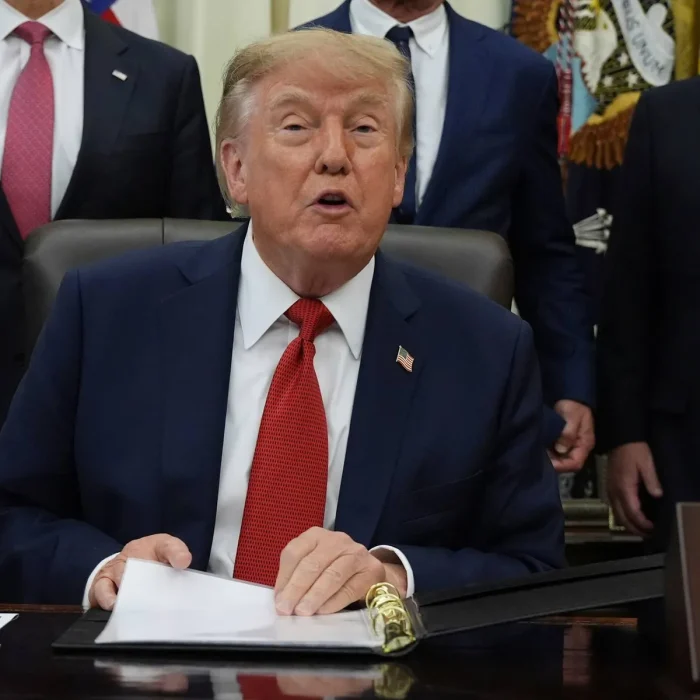
Late Tuesday, President Trump announced he was pausing the U.S. military’s effort to reopen the Strait of Hormuz for commercial vessels. The mission had only just begun and had already drawn dramatic Iranian attacks against U.S. naval forces. The decision affects:
- Air and sea operations to clear a path through the strait
- Coordination with international shipping companies
- The temporary protection of vessels in transit
- Active deconfliction efforts with Iranian forces
- The ongoing global push to secure the waterway
Trump explained that the pause came at the request of Pakistan and other countries that have been quietly playing a mediating role between the U.S. and Iran. The goal, according to Trump, is to give peace negotiations more breathing room and to determine if a final agreement can be reached and signed.
Despite halting Project Freedom, Trump made clear that one part of the U.S. mission would continue. The Navy’s interdiction of ships entering Iranian ports will remain active. This means the U.S. is essentially pulling back from active offensive support of commercial shipping while keeping a strong defensive posture in the region.
The Significance of Halting Project Freedom
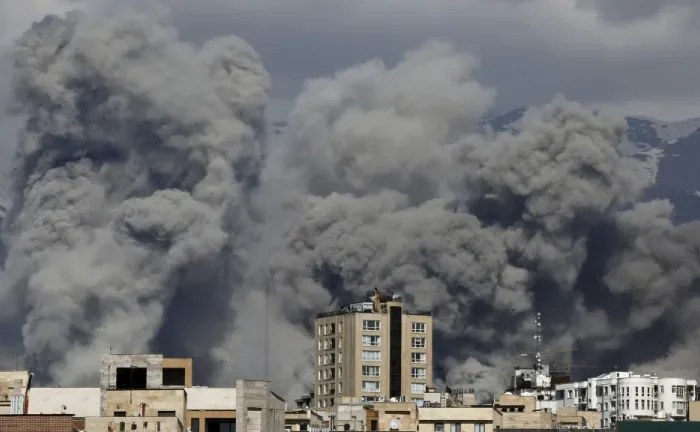
Project Freedom was framed by the Trump administration as a humanitarian operation. Earlier on Tuesday, both the Pentagon and the White House held press briefings touting the operation’s effectiveness, even as Iran fired cruise missiles, drones, and small boats at U.S. ships in the early hours of the mission.
Defense Secretary Pete Hegseth and Joint Chiefs of Staff Chairman Gen. Dan Caine described how:
- A “red, white and blue dome” had been established over the strait
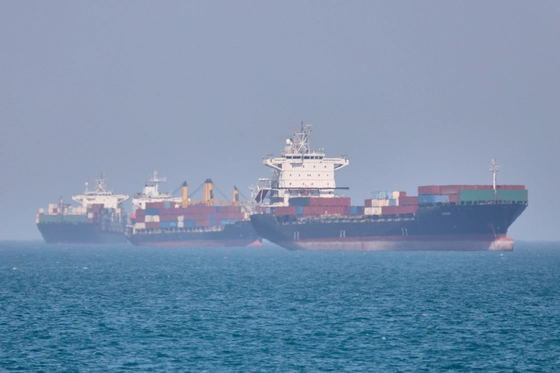
- More than 22,500 mariners on over 1,550 commercial ships were waiting to transit
- An “enhanced security area” had been formed on the southern side of the strait
- The U.S. military had a clear operational advantage
- The mission was meant to be temporary
Hegseth emphasized that the U.S. eventually expected other nations to step up and share the burden. The world, he said, would have to take responsibility for protecting global shipping in the strait. That message was meant to signal that America was leading the effort, but not committing to a long-term presence.
Just hours later, however, Trump pulled the plug. The pause marks a sudden reversal that has left analysts and global shipping companies trying to interpret the implications.
A Strait at the Heart of Global Trade
The Strait of Hormuz is one of the most strategically vital waterways in the world. About 20 percent of the world’s oil and gas flows through this narrow choke point, making it a central artery for international energy markets. Even a brief disruption can:
- Send oil prices soaring globally
- Trigger inflation in import-dependent nations
- Disrupt supply chains across Asia, Europe, and the Americas
- Create insurance and shipping risks
- Force military deployments from multiple nations
When Iran effectively closed the strait earlier this year, the global response was immediate. Pressure mounted on Washington to act. Project Freedom was the answer. Yet just as it was getting underway, the operation has now been put on hold.
Iran’s Continued Aggression
Iran has not stayed quiet during the past several days. According to Gen. Caine, Iran has:
- Fired at commercial vessels nine times since the ceasefire began
- Seized two ships
- Attacked U.S. forces more than 10 times
- Used fast boats and small arms in repeated raids
- Launched coastal cruise missiles, none of which struck U.S. ships
Caine described Iran’s actions as “below harassing fire,” suggesting that Tehran is testing limits without crossing into full-scale conflict. He noted that Iran appears to be “grasping at straws” along the southern flank of the strait, signaling that its actions remain symbolic rather than strategically decisive.
Despite all this, the U.S. position is that the ceasefire still technically holds, even if it grows more fragile by the day.
Hegseth: “The Ceasefire Is Not Over”
Pete Hegseth has been a key voice in the administration’s effort to reassure the public that the situation remains under control. He insisted that the ceasefire is not over and that Project Freedom was a separate issue from Operation Epic Fury, the broader military campaign launched earlier in the conflict.
He also addressed the controversial issue of war powers. The 60-day deadline for the White House to seek congressional authorization for ongoing strikes in Iran technically passed earlier this month. Hegseth argued that the deadline does not apply because of the ceasefire.
This interpretation has been challenged by several Democrats in Congress who say the administration is bypassing legal limits on presidential war powers. The legal debate is likely to continue, especially if the ceasefire collapses or if active military operations resume.
Trump’s Mixed Messaging
Trump’s public messaging has been characteristically blunt. He repeatedly downplayed the seriousness of the conflict, calling it a “skirmish” and pointing out the strong performance of the stock market as proof that the world is not panicking. According to him:
- The U.S. has already “won” militarily
- A favorable peace deal is still possible
- Iran has “no chance” against U.S. forces
- Iranian leaders speak more respectfully to him in private
- The U.S. military “knocked out” Iran’s leadership teams during the war
Yet he also declined to specify what Iranian actions would constitute a ceasefire violation, saying simply, “you’ll find out because I’ll let you know.” The vagueness leaves global analysts unsure of where the U.S. red lines truly sit.
Iran’s Pushback
Iranian officials, meanwhile, accused the U.S. of violating the ceasefire and warned that Washington could become further bogged down in a war now in its third month. Foreign Minister Abbas Araghchi posted that there’s “no military solution to a political crisis,” urging the U.S. to be careful about getting “dragged back into a quagmire.”
Iranian Parliamentary Speaker Mohammad Bagher Ghalibaf suggested that a “new equation” in the strait is being established. He framed the situation as one Iran is shaping in real time, hinting that Tehran is far from finished asserting its position.
This kind of language signals that Iran sees the strait as central to its leverage, even as ceasefire talks continue.
A Shifting Diplomatic Landscape
Pakistan’s role as a mediator has emerged as one of the most important elements of the unfolding situation. Pakistani Prime Minister Shehbaz Sharif condemned Monday’s attacks and called for the ceasefire to be upheld. He emphasized the need for diplomatic space to allow “enduring peace and stability.”
China is also playing a quiet diplomatic role. Iran’s Foreign Minister Abbas Araghchi traveled to China for talks just as tensions escalated again. Beijing’s growing influence over Iran could shape the next phase of negotiations significantly.
For Washington, this complicates an already complex diplomatic landscape. The U.S. has limited diplomatic leverage with Iran but stronger ties with mediator countries like Pakistan, the UAE, and Saudi Arabia.
Why Trump’s Pause May Be Strategic
Pausing Project Freedom may not be a sign of weakness, but rather a calculated diplomatic move. Several reasons could explain Trump’s decision:
- It removes a major source of immediate provocation
- It gives mediators stronger leverage with Iran
- It allows a peaceful resolution to be branded as Trump’s win
- It reduces pressure on global oil markets
- It avoids further military entanglement during peace talks
If a final deal can be reached, Trump can claim that diplomacy succeeded under his pressure campaign. If talks collapse, he can simply restart the operation. In effect, the pause keeps options open.
The Risks of the Pause
While the pause may help diplomacy, it also carries real risks. With Project Freedom on hold:
- Commercial vessels remain stranded
- Global oil markets stay nervous
- Mariners face continued threats
- Iran could feel emboldened to escalate
- Allies may question U.S. commitment to maritime security
If Iran misinterprets the pause as weakness, it might launch new attacks. That could push the ceasefire to its breaking point and force the U.S. military to return more aggressively.
A Critical Moment for Global Diplomacy
The world is now watching closely to see whether peace talks can be finalized during this brief pause. The next few weeks may determine whether the conflict winds down or reignites with greater intensity. Key questions include:
- Will Iran agree to halt attacks during negotiations?
- Will the U.S. consider broader concessions?
- Will Pakistan and China successfully mediate?
- Will Gulf nations support a final settlement?
- Will domestic politics in either country derail progress?
Each of these factors could tip the situation either toward resolution or further conflict.
Why This Matters Globally
The Strait of Hormuz isn’t just a military or political flashpoint. It’s a critical artery for the global economy. The disruption affects:
- Oil and gasoline prices in the U.S. and abroad
- Energy costs in Europe and Asia
- Insurance markets for global shipping
- Inflation and consumer prices
- Long-term economic forecasts for 2026
Whether or not Trump’s pause leads to a deal, the consequences will ripple far beyond Washington and Tehran.
Final Thoughts
Trump pauses Strait of Hormuz mission at a moment of extraordinary global tension. While the temporary halt may provide a much-needed window for diplomacy, the situation remains volatile. Iran’s behavior, the readiness of U.S. forces, the role of mediators, and the political pressures within both governments will determine the course of the coming weeks.
For now, the world is watching to see whether the fragile peace will hold or whether the strait will erupt into renewed conflict. With over 1,500 commercial ships still waiting and the global economy hanging in the balance, the stakes have rarely been higher.
If diplomacy succeeds, this pause could become the turning point that ends the conflict. If it fails, the strait may once again become the most dangerous place on Earth. Either way, the next steps will shape global politics, energy markets, and the fragile balance of power in the Middle East for years to come.
2 / 2
Author