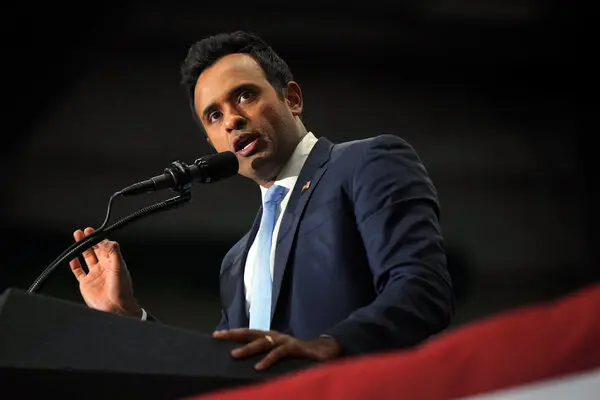
Ohio primary results 2026 have set the stage for two of the most closely watched political battles in the country. Voters across the Buckeye State delivered decisive wins on Tuesday night, propelling Republican Vivek Ramaswamy to the gubernatorial nomination and giving Democrat Sherrod Brown another opportunity to return to the U.S. Senate. The outcomes signal a fascinating political moment for Ohio, a state once considered the ultimate bellwether but which has leaned Republican in recent cycles.
A Pivotal Night for Ohio Politics
Ohio’s primary night unfolded against a backdrop of significant national tension. With the war in Iran continuing to escalate and fuel prices climbing across the country, voters in Ohio expressed mixed feelings about both the economy and the Trump administration’s overall direction. The results showed how Ohio remains politically divided, even within a state that has tilted strongly toward Republicans in recent presidential elections.
The two main storylines from Tuesday night include:
- Vivek Ramaswamy emerging as the GOP nominee for governor
- Sherrod Brown winning the Democratic Senate primary
- High voter engagement reflecting national tensions
- Continued debate over the state’s economic trajectory
- A test of whether Ohio remains red or shifts back toward Democrats
These results indicate that Ohio’s political identity is still evolving, especially heading into a high-stakes general election later this year.
Vivek Ramaswamy Cements His Role as a Trump Ally
Vivek Ramaswamy, the former presidential candidate and longtime Trump ally, captured the Republican nomination for governor with strong support from primary voters. His campaign focused heavily on:
- Aligning with President Trump’s economic policies
- Promoting an “America First” message
- Pushing for state-level deregulation
- Advocating for stronger immigration enforcement
- Promising to challenge federal overreach
Ramaswamy’s win is significant because it shows how Trump’s influence continues to dominate Republican politics, even in primaries that don’t include the former president himself. Throughout the campaign, Ramaswamy positioned himself as a forceful voice for Trump’s agenda, attracting strong support from conservative voters across Ohio.
His victory also marks a major political comeback. After running for the Republican presidential nomination in 2024, Ramaswamy emerged as one of the most outspoken Trump supporters in the country. His pivot from a presidential candidate to a state-level contender shows the strength of his political brand and his ability to mobilize supporters in red-leaning states.
Sherrod Brown Returns for Another Senate Battle
On the Democratic side, former U.S. Senator Sherrod Brown easily won his party’s primary, setting up another high-stakes Senate run. After losing his 2024 reelection bid, Brown is now hoping to make a major political comeback in 2026.
His win highlights several key political dynamics:
- Brown’s continued popularity among Ohio Democrats
- His name recognition built over decades in public office
- His strong appeal to working-class voters
- His ability to bridge progressive and centrist factions
- The Democratic Party’s confidence in his candidacy
Brown is widely respected for his focus on labor rights, manufacturing jobs, and economic fairness. These themes remain central to his political identity, especially as Ohio voters continue grappling with rising costs and shifting industries. Even though he lost in 2024, many Democrats believe he is still the strongest candidate to compete in a state that has been trending Republican.
The National Backdrop
Ohio’s primary night did not unfold in isolation. The state, like much of the country, is dealing with several major issues that influenced voter sentiment, including:
- The ongoing war in Iran, which has created national security concerns
- Soaring fuel prices that are straining household budgets
- Inflation pressures impacting everyday goods and services
- Concerns about job stability, especially in manufacturing
- Tense political polarization shaping public conversations
These factors have created a volatile environment for voters who are deciding whether they want to stay aligned with Republican leadership or push the state back toward Democratic representation. The results from Tuesday suggest the answer remains complicated.
Why the Race for Governor Matters So Much
Ohio’s gubernatorial race is shaping up to be one of the most important political contests of the cycle. With Ramaswamy now leading the Republican ticket, the matchup will likely focus on key state-level issues, including:
- Economic recovery in manufacturing-heavy regions
- Education reform debates
- Public safety and crime concerns
- Energy policies amid rising fuel costs
- Healthcare access and affordability
Ramaswamy’s bold style and tech-driven background give him a unique profile compared to traditional state politicians. His campaign has promised an aggressive overhaul of Ohio’s regulatory environment, particularly in areas tied to business and energy. Whether voters see this as a refreshing modernization or a risky shift remains to be seen.
The Democratic candidate, who will be officially confirmed in coming weeks, is expected to challenge Ramaswamy on issues like worker protections, education funding, and progressive economic policies.
Why the Senate Race Could Reshape National Politics
The U.S. Senate race in Ohio is equally critical. Brown’s return to the political scene represents a major opportunity for Democrats to reclaim a seat they lost in 2024. With control of the Senate likely to come down to a few competitive races, Ohio is once again at the center of national strategy.
Some of the major themes shaping the Senate contest include:
- The future of American manufacturing
- Trade policy and protections for U.S. workers
- Healthcare reform and prescription drug costs
- Tax fairness for middle-class families
- Foreign policy and the war in Iran
Brown’s track record on labor and industrial issues makes him particularly appealing to blue-collar voters. With economic anxieties rising, he hopes to revive the working-class coalition that helped him win previous Senate elections.
Ohio: From Bellwether to Republican Stronghold
Ohio was once considered the ultimate political bellwether. For decades, the state’s election outcomes mirrored the rest of the country with remarkable accuracy. However, in recent cycles, Ohio has moved sharply toward the Republican Party. Several factors have driven this shift:
- Demographic and economic changes
- Decline of unionized industrial jobs
- Cultural realignment in rural and exurban communities
- Strong Republican performance under Trump’s influence
- Weaker Democratic infrastructure in key counties
This rightward trend has made Democratic victories more difficult, but not impossible. Brown’s win in 2018 and his close race in 2024 show that the right candidate can still compete in Ohio, even in a challenging environment.
Reactions From Voters Across Ohio
Voters across Ohio expressed a wide range of perspectives on Tuesday night.
Some Republican voters celebrated Ramaswamy’s win, saying:
- He represents a new generation of conservative leadership
- His business background brings fresh ideas
- His Trump alliance reassures them about national priorities
- His messaging matches their economic concerns
- He has the energy to lead the state in challenging times
Some Democratic voters were equally enthusiastic about Brown’s return, citing:
- His decades of public service
- His authenticity and consistency on economic issues
- His ability to win in tough environments
- His commitment to working-class Ohioans
- His independence from extreme political positions
These reactions illustrate how the upcoming general election will play out across deeply divided communities, each with strongly held views.
Will Voters Reward or Punish Trump’s Economic Stewardship?
A central question in the upcoming general election will be whether voters give Trump and his Republican allies credit for the country’s strengths or hold them responsible for its struggles. Ohio voters will face this decision more directly than most. With fuel prices rising and the war in Iran continuing, frustrations are real and growing.
Ramaswamy will likely defend the administration’s track record by emphasizing:
- Job growth in key sectors
- Strong stock market performance
- Tax cuts benefiting small businesses
- Energy production efforts
- A push for American manufacturing
Brown, on the other hand, is expected to challenge those points by focusing on:
- Inflation and rising costs of living
- Increased pressure on working families
- The personal toll of high fuel prices
- Job insecurity in shifting industries
- Concerns about long-term wage growth
The contrast between these arguments will shape the political landscape in Ohio for months to come.
A Test of Ohio’s Political Identity
The 2026 elections will reveal whether Ohio remains comfortably Republican or starts drifting back toward its bellwether roots. Both Ramaswamy and Brown represent powerful symbols of their respective parties:
- Ramaswamy: a young, dynamic Trump-aligned conservative
- Brown: a seasoned, working-class-focused Democrat
Their matchups will tell us a lot about which direction Ohio voters truly want to take.
The Stakes Beyond Ohio
Beyond the state itself, the outcomes of these elections could have national implications. Ohio is often viewed as a barometer for political trends in the Midwest. If Republicans hold both seats, it will reinforce the party’s dominance in the region. If Democrats win one or both, it could signal a broader political shift heading into the next presidential cycle.
Several national consequences could emerge from these elections:
- Influence on Senate control in Washington
- Impact on the 2028 presidential primary landscape
- Direction of midwestern political coalitions
- Shifts in fundraising priorities for both parties
- Changes in messaging strategies across competitive states
This is why political analysts are paying particularly close attention to Ohio this year.
Final Thoughts
The Ohio primary results 2026 have set up a thrilling political battle that will play out throughout the year. With Vivek Ramaswamy securing the Republican nomination for governor and Sherrod Brown returning to lead Democratic hopes for a Senate comeback, Ohio is poised to host two of the most important and most watched political fights of the cycle.
These races will test the strength of Trump-aligned conservatism, the resilience of working-class Democratic politics, and the ability of Ohio to navigate national pressures during a turbulent time. With the war in Iran ongoing and economic concerns rising, voters will face real consequences for the choices they make in November.
For Republicans, Tuesday night reaffirmed the powerful gravitational pull of Trump’s political brand. For Democrats, it offered a reminder that the right candidate can still compete in even the toughest environments.
As both parties prepare for the next chapter, Ohio once again finds itself at the center of America’s political conversation. Whether it remains a Republican stronghold or returns to its bellwether status will depend on how voters respond to the months of campaigning that lie ahead.
For now, the message from Ohio is clear. The state is engaged, its voters are paying attention, and the race for political control in 2026 is fully underway.
Author