Ramaphosa Defies Resignation Calls as Cash-in-Sofa Scandal Returns to Haunt His Presidency
Ramaphosa cash in sofa scandal has once again taken center stage in South African politics, as President Cyril Ramaphosa firmly rejected calls for his resignation on Monday. With the Constitutional Court reviving impeachment proceedings against him, the country’s leader now finds himself in one of the most politically vulnerable moments of his presidency. Yet, he remains determined to fight back and clear his name.
A Defiant Address to the Nation
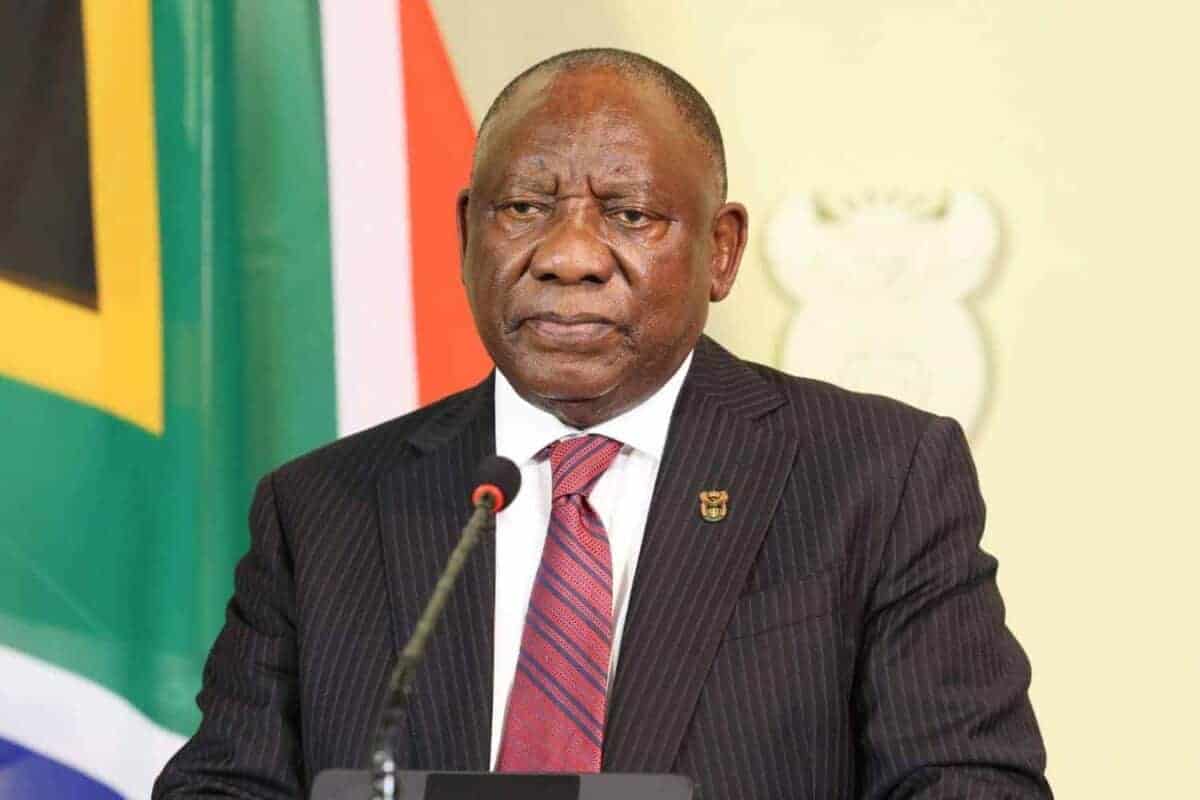
In a televised speech delivered Monday evening, President Ramaphosa addressed mounting pressure surrounding the controversial “Farmgate” scandal. He acknowledged the Constitutional Court ruling that recently brought impeachment efforts back to life, but he made his position crystal clear: he would not step down.
He stated that while several political voices were urging him to resign, nothing in the court ruling legally required him to leave office. The president emphasized his intention to defend himself thoroughly and reaffirmed his commitment to South Africa’s democratic processes.
The Scandal That Won’t Go Away
The controversy surrounds an unusual and high-profile incident that has trailed Ramaphosa since 2022. Thieves reportedly stole large amounts of foreign currency hidden inside a sofa at the president’s Phala Phala game farm in 2020. The bizarre nature of the discovery — millions of dollars stashed in furniture — quickly led local media to label the affair “Farmgate.”
The scandal has been a deep embarrassment for Ramaphosa, who originally rose to power in 2018 promising to clean up corruption within the African National Congress (ANC) and rebuild the country’s image after years of governance scandals under his predecessor.
How Much Money Was Really Stolen?
According to Ramaphosa, the amount stolen was approximately $580,000. However, a former intelligence official has claimed the figure was much higher, possibly $4 million or more. The conflicting accounts continue to raise difficult questions, including:
- How did the president come to possess such a large amount of cash?
- Was the money properly declared to authorities?
- Why was it stored inside furniture instead of a bank?
- Did the handling of the funds comply with South African financial laws?
Ramaphosa has consistently denied any wrongdoing. He maintains that the money came from the legitimate sale of buffaloes on his ranch. A central bank investigation previously cleared him of violating exchange control regulations, though critics argue many questions remain unanswered.
The Constitutional Court Steps In
The latest twist came last Friday when the Constitutional Court ruled that the ANC’s 2022 parliamentary vote, which had blocked the impeachment process, was invalid. As a result, allegations related to the cash theft must now be properly investigated.
This decision has effectively reopened the door to scrutiny that Ramaphosa thought had been closed. While the road ahead is long, the ruling marks a significant moment in the country’s political landscape and brings renewed attention to issues of governance and accountability.
Why the Timing Is So Damaging
The renewed scandal could not have come at a worse time for the ANC. South Africa is heading toward municipal elections in November, and the party was already expected to face major political challenges. The ANC has been steadily losing voter support due to:
- Persistent economic difficulties
- High unemployment rates
- Allegations of mismanagement
- Loss of public confidence
- Ongoing corruption concerns
Political analyst Daniel Silke noted that the timing of the renewed scandal is particularly damaging for the ANC’s electoral prospects. With voter sentiment already wavering, prolonged controversy at the highest level of government could deepen the party’s challenges.
ANC Calls Emergency Meeting
In response to the unfolding political crisis, the ANC has scheduled a special meeting of its National Executive Committee for Tuesday. The session will focus on determining the party’s next steps regarding Ramaphosa’s leadership and the broader political fallout.
Although the ANC has historically rallied around its leaders during times of crisis, internal divisions may now play a significant role in shaping the outcome. Some members have grown increasingly uneasy with the constant cycle of scandals affecting the party’s image.
Will Ramaphosa Survive Impeachment?
Despite the dramatic developments, most analysts believe Ramaphosa is likely to survive any impeachment vote. The process is lengthy and complex, and removing a sitting president requires a two-thirds majority in parliament — a steep threshold under any circumstance.
Although the ANC lost its outright majority in the 2024 election, it still holds roughly 40 percent of seats in the National Assembly. Combined with support from key coalition partners, that may be enough to shield Ramaphosa from removal.
A New No-Confidence Threat
Over the weekend, former President Jacob Zuma’s party, uMkhonto weSizwe, submitted a formal request to the National Assembly speaker, demanding a vote of no-confidence in Ramaphosa. The speaker has not yet responded publicly to the request.
A no-confidence vote would only require a simple majority to pass, making it a less demanding political hurdle than impeachment. However, analysts still believe it is unlikely to succeed, as most ANC lawmakers — along with influential coalition partners such as the Democratic Alliance — are expected to back the president.
The Larger Political Picture
The current scandal is more than just a personal challenge for Ramaphosa. It reflects deeper political tensions in South Africa, including:
- Public frustration with persistent corruption
- Growing demands for accountability
- The shifting power dynamics within the ANC
- The rise of opposition parties seeking to capitalize on the moment
- Pressure on institutions to demonstrate independence
For Ramaphosa, the path ahead will require not only political survival but also a renewed effort to rebuild trust with both his party and the broader public.
What Comes Next
The next few weeks will be crucial for South African politics. The ANC must navigate internal divisions, the impeachment investigation must advance, and the president must continue defending his integrity in the face of mounting scrutiny.
For now, Ramaphosa remains firm in his decision to stay in office. He insists that the scandal will not derail his presidency or his commitment to leading South Africa through difficult times. Yet, the political reality is undeniable — the Ramaphosa cash in sofa scandal continues to cast a long and challenging shadow over his administration.
Whether he emerges politically stronger or weaker from this controversy will depend on the decisions of his party, the courts, and ultimately, the voters of South Africa.
Author