Iran Oil Spill Blame Game and Pentagon’s $29 Billion Cost of War Revealed
Iran Oil Spill headlines are dominating global news as a major suspected slick near the country’s most important oil export hub forces officials in Tehran to publicly point fingers elsewhere. At the same time, the Pentagon has revealed that the cost of the ongoing war with Iran has soared to nearly $29 billion, raising fresh questions about how long the United States can sustain this expanding conflict.
A Major Slick Spotted Near Kharg Island
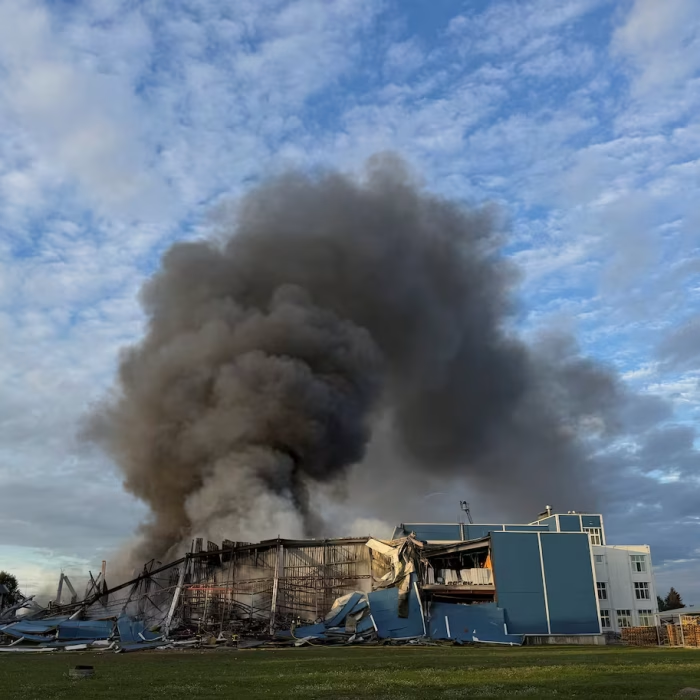
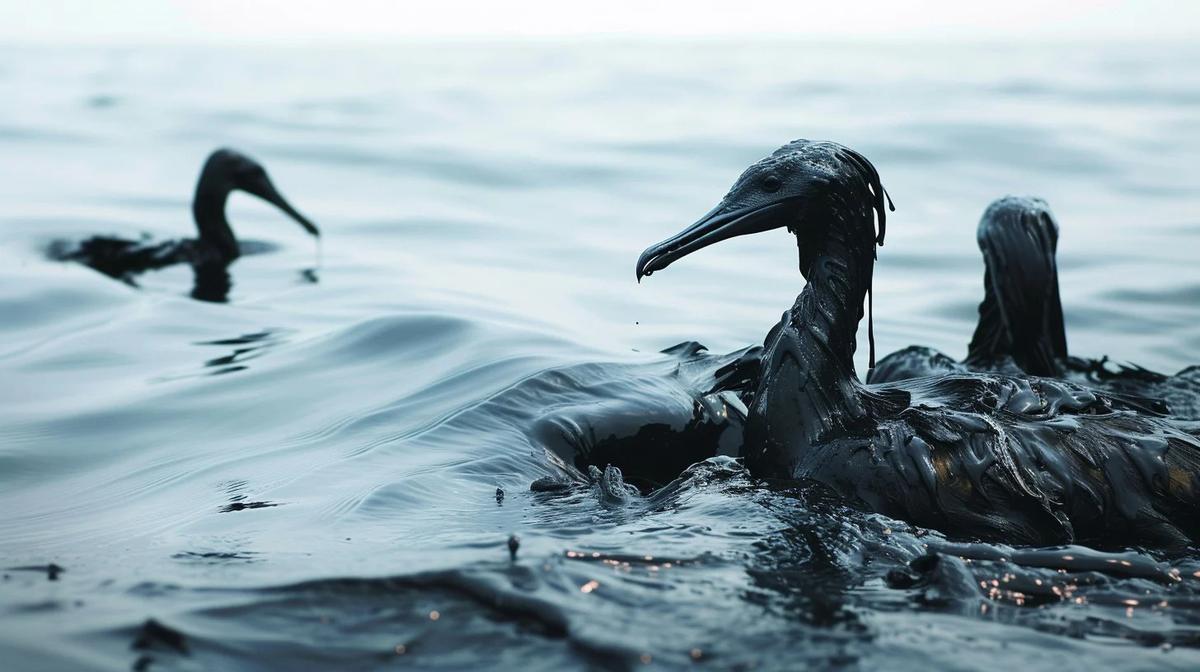
The latest environmental concern revolves around Kharg Island, the heart of Iran’s crude oil export operations. Satellite images captured between May 6 and May 8 revealed a long, sprawling grey-and-white slick stretching across dozens of square kilometres west of the island. The visuals were striking and immediately raised alarm bells among analysts and environmental observers.
Independent experts who reviewed the images believe the slick is likely oil. Reuters reports that, based on the imagery, this could be one of the largest oil-related spills observed in the region since the war with Iran began.
For a Gulf region already navigating significant economic and energy disruption due to the broader US-Israel-Iran conflict, the timing and scale of the slick could not be worse.
Iran Says It Was a Foreign Tanker, Not a Leak
Iranian officials have moved quickly to clarify their position. The country’s Vice-President and top environmental official, Shina Ansari, told state media on Tuesday that the spill was likely the result of a foreign tanker illegally discharging contaminated wastewater, not a leak from Iran’s oil facilities.
According to her statement:
- No oil leaks were detected from any Iranian pipelines
- Inspections turned up no issues at oil terminals or storage tanks
- A non-Iranian tanker is believed to be the source
- The discharge is suspected to be ballast water containing oil residue
Iran’s Oil Terminals Company echoed the position, saying their internal inspections found no signs of damage to tanker hulls, pipelines, or storage units near Kharg Island.
That message is clearly being pushed to defuse any growing narrative that Iran might be either unable to safeguard its own export terminals or actively suffering damage from external attacks. Either implication would be deeply damaging in the current political and economic climate.
Why Kharg Island Matters So Much
Kharg Island is not just any oil hub. It is the single most important crude oil export point for Iran, handling the bulk of the country’s outbound shipments. Anything affecting operations there carries enormous global consequences, particularly during a period of war.
To understand why even rumours of disruption at Kharg cause unease, consider:
- It is one of the largest oil export terminals in the world
- It plays a central role in supplying global energy markets
- The surrounding waters are critical for international tanker traffic
- Any spill near it threatens both ecology and trade
Add to that the fact that the strait of Hormuz, also under heavy stress in the current war, is just to the south. The combined pressure on these waterways is reshaping global energy flows in real time.
Pentagon Reveals the Real Cost of the Iran War
Even as Iran deals with its environmental and political messaging, Washington faces its own difficult conversations. On Tuesday, Pentagon comptroller Jules Hurst informed House lawmakers that the war against Iran has now cost the United States approximately $29 billion.
The breakdown of those costs makes clear just how prolonged this conflict has become:
- Most of the spending has gone toward repairing and replacing munitions
- A significant chunk has been used to maintain and resupply ongoing operations
- The total reflects only direct military expenditures, not broader economic effects
A $29 billion figure is no longer the price of a short, contained operation. It marks the kind of investment associated with sustained, drawn-out warfare, a fact that is starting to spark political debate in Washington.
A Growing Political Debate in the US
The financial cost is putting added pressure on Defense Secretary Pete Hegseth, who is facing congressional scrutiny over an unprecedented $1.5 trillion budget. Democratic lawmakers have vowed to block parts of the budget, citing both inflationary pressure and concerns about endless military spending.
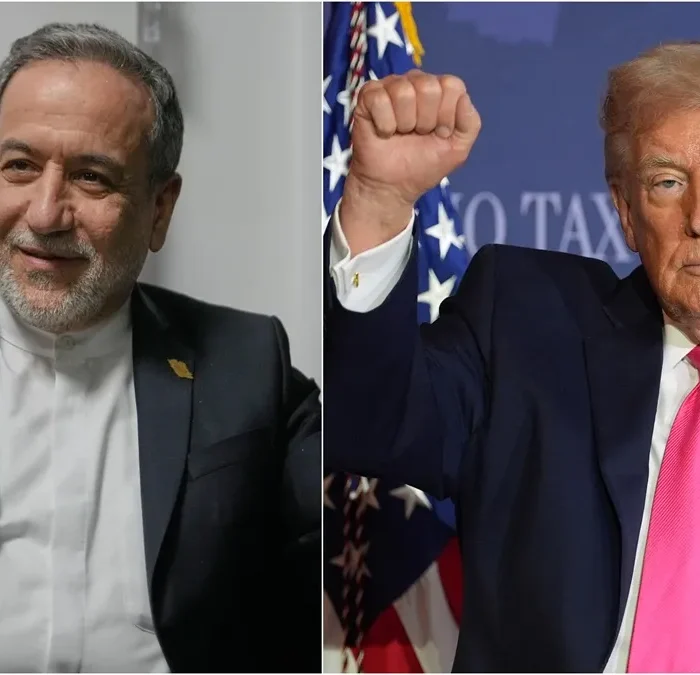
Trump, meanwhile, has been defending the administration’s approach. He spoke publicly on Tuesday about the negotiations with Iran over its nuclear program, insisting the United States is maintaining a firm stance and will not back down on key issues.
At the same time, divisions are emerging within the US military community. Retired commanders are reportedly split on whether the United States should resume direct strikes against Iran or pursue a more diplomatic strategy. The disagreements highlight just how complicated and politically charged the conflict has become.
Iran Stays Firm on Uranium Enrichment
While Trump pushes a tough line, Iran has signalled it has no intention of backing down on key issues either. Tehran continues to insist that it will not abandon its uranium enrichment program. Iranian officials are framing it as a sovereign right that cannot be negotiated away.
This deadlock has been one of the persistent stumbling blocks in any serious peace effort:
- The US wants strict limits on Iran’s nuclear progress
- Iran refuses to surrender what it sees as its right to enrich uranium
- Each side accuses the other of acting in bad faith
- The Strait of Hormuz remains a leverage point for Iran
Without movement on this core issue, the chances of meaningful de-escalation remain slim, regardless of behind-the-scenes diplomacy.
A Crisis With Layered Global Effects
What makes the current situation so unique is the way it ties together so many different layers of crisis. The war is no longer just a military matter. It is now:
- A serious energy crisis, with global oil prices climbing
- An environmental concern, given the suspected oil slick near Kharg
- A financial issue for the US, as the war cost crosses $29 billion
- A political flashpoint in Washington, with budget battles intensifying
- A diplomatic stalemate, with neither Tehran nor Washington willing to fold
The longer the war drags on, the more these layers compound, putting global markets, ecosystems, and political systems under significant strain.
Why the Oil Spill Story Carries Such Weight
The Iran oil spill controversy is more than just an environmental issue. In the current climate, it has become a symbol of how vulnerable the region is, and how every incident has political ripples.
If the slick is confirmed as oil, regardless of source, it could:
- Trigger international environmental scrutiny
- Heighten tensions over tanker traffic and ballast disposal
- Renew calls for stricter monitoring of Gulf shipping
- Cause reputational damage for Iran’s oil infrastructure
That is why Tehran is moving so quickly to shift the narrative outward. By placing the blame on a foreign tanker, Iran is trying to preserve confidence in its own export operations while sidestepping more dangerous accusations of damage from the war.
What Happens Next
For now, the slick remains under investigation, and analysts continue to study the satellite imagery. Independent verification will be critical. If Iran’s explanation holds up, the focus may shift to global tanker behaviour in the region. If it does not, questions about possible war-related infrastructure damage could intensify.
Meanwhile, the Pentagon’s war cost figures are unlikely to remain static. As the conflict continues, that $29 billion number could grow significantly. With elections approaching and political tensions in Washington rising, every additional billion will be scrutinised.
A Pivotal Moment in the Iran Conflict
The combination of an environmental crisis, escalating military costs, and an unresolved nuclear standoff makes this one of the more pivotal moments in the ongoing war. It also shows just how intertwined regional and global concerns have become.
For citizens watching from outside, the headlines may feel like a constant drumbeat of bad news. But the underlying story is clear. The world is now navigating not just a war, but the broad economic, environmental, and political shockwaves it continues to generate, and how these are managed in the coming weeks could shape the trajectory of the entire conflict.
Author