Anderson Cooper Bids Farewell to “60 Minutes” After 20 Years
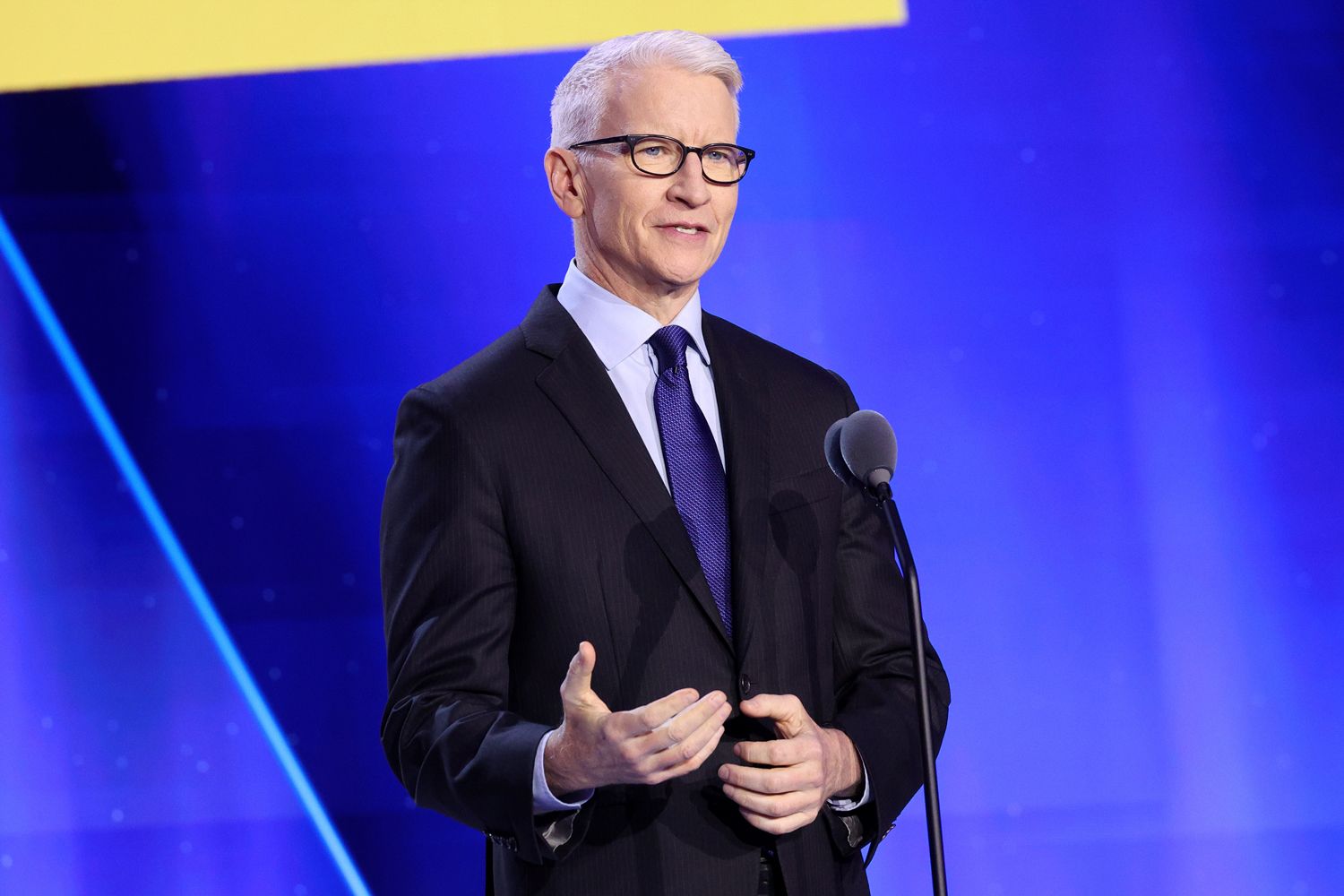
The Anderson Cooper 60 Minutes departure marks the end of a remarkable two-decade chapter at one of America’s most respected news programs. On Sunday night, Cooper said goodbye to CBS News’ “60 Minutes,” using his farewell not just to reflect on his own journey but to make a heartfelt plea for the show’s future.
After 20 years on the newsmagazine, his exit carries both personal emotion and a pointed message about what makes the program worth protecting.
A Farewell Centered on Independence
In an interview on “60 Minutes Overtime,” Cooper made clear what he believes lies at the heart of the show’s enduring success: its independence and the trust it has built with viewers.
“I hope 60 Minutes remains 60 Minutes,” he said. He noted that few things have lasted as long as the program while maintaining its quality, adding that while evolution and change are healthy, he hoped the core of what “60 Minutes” represents would always remain intact.
He returned to that theme again later in the segment. “I think the independence of 60 Minutes has been critical,” Cooper said, also praising the variety of stories the show tells. A good “60 Minutes” story, he explained, earns that quality because it demands time, patience and money — resources that allow real journalism to breathe.
His hope was strikingly personal: that the program would still be around when his children grow up and have kids of their own.
A Show in the Spotlight
Cooper’s plea for independence arrives at a sensitive moment for “60 Minutes,” which has been making headlines under its new ownership.
The program is now under the ownership of David Ellison, who hired Bari Weiss as CBS News editor in chief. That transition has coincided with several controversies:
- In December, Weiss pulled a segment on the “brutal and torturous conditions” at an El Salvador prison where the Trump Administration had sent deportees. An official statement said the story “needed additional reporting.”
- The show faced criticism over reports that it sidelined veteran correspondent Lesley Stahl, bringing in Major Garrett to interview Benjamin Netanyahu following negotiations between Weiss and the Israeli prime minister.
- President Trump secured a legal victory after suing the company over the editing of a “60 Minutes” interview with 2024 Democratic presidential candidate Kamala Harris. The lawsuit led parent company Paramount Global to settle with a $16 million payout, with the agreement also requiring Paramount to release transcripts of interviews with presidential candidates after they air.
Against that backdrop, Cooper’s emphasis on independence reads as more than nostalgia — it sounds like a quiet appeal to preserve something he clearly cherishes.
Why Cooper Is Leaving
Cooper was open about the reasons behind his decision, and they came down to two main factors.
The first was the sheer demand of doing the work. Throughout his entire run at “60 Minutes,” his full-time job has been at CNN — and it still is. He explained that balancing both has been genuinely challenging, sharing that he largely worked on his “60 Minutes” stories using his vacation time from CNN. He loved it, he said, but it was tough.
The second reason was his family. “I’ve got a 4-year-old and a 6-year-old, and I want to spend as much time with them as I can while they still want to spend time with me,” he said, acknowledging that the clock on those years is always ticking.
Even so, the finality hadn’t fully sunk in. He admitted the reality of no longer doing the job hadn’t quite hit him, calling it hard to give up something he had watched since childhood. “I will miss this,” he said.
A Lifelong Love of the News
Cooper also reflected on where his passion for journalism began — and it traced back to a difficult time in his childhood.
“I was a weird little kid,” he said, describing how he liked watching the news. After his father died, he recalled, there was a lot of silence in his home, and the family would watch the news over dinner, tuning in to the old-time CBS correspondents.
That early connection eventually led him to the very show he admired. He paid tribute to legendary “60 Minutes” correspondents including Morley Safer, Mike Wallace and Bob Simon — marveling that he ended up inheriting Simon’s office after Simon died.
What “60 Minutes” Meant to Him
For Cooper, the program offered something rare: the chance to truly step into other people’s lives.
He described “60 Minutes” as a place where you get to see the world through someone else’s eyes, understanding their struggles and what they face. You never knew exactly what each story would bring, he said, but you trusted the people involved enough to go along for the ride.
Doing a story, he explained, felt like being invited into people’s homes and their struggles — whether they were being featured for something wonderful they had done or something terrible that had happened to them. He called it a privilege to make that kind of human connection and to ask deeply personal questions.
A Memorable Run
The Overtime segment celebrated the breadth of Cooper’s work, featuring clips of his interviews with figures like Donald Sutherland, Dave Grohl, Adele, Timothée Chalamet and Holocaust survivor Irene Weiss.
It also highlighted his appetite for adventure — from scuba diving in search of Nile crocodiles to jet skiing the massive waves of Nazaré, Portugal, with legendary surfer Garrett McNamara. That particular outing came at a cost: Cooper burned his corneas from the UV reflection off the water.
He also spoke about the program’s exacting standards, noting how high the bar is to get a story on air and describing everyone who works on the show as the “best” in their field.
An Emotional Sign-Off
The farewell ended on a poignant note. Cooper grew emotional as he delivered the correspondents’ signature introduction — “I’m Anderson Cooper” — for the final time.
The Bottom Line
The Anderson Cooper 60 Minutes departure closes a 20-year era defined by curiosity, empathy and a deep respect for the craft of journalism. Leaving to focus on his young children and the demands of his CNN role, Cooper exits on his own terms — but not without one lasting wish.
More than anything, he hopes “60 Minutes” holds on to the independence and quality that made him fall in love with it as a child. As the show navigates new ownership and fresh controversy, that farewell plea may prove to be his most meaningful sign-off of all.
Author