Trump Pauses Iran Attack to Give Diplomacy One More Chance
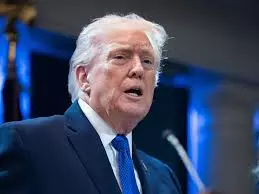
In a sudden shift, Trump pauses Iran attack plans that were reportedly set to be carried out within a day. The US president announced on Monday that he had been preparing to strike Iran “tomorrow” but chose to delay the operation in order to give negotiations another opportunity to succeed. According to Trump, the decision came after direct appeals from several Arab leaders who urged restraint.
The announcement marked yet another twist in a long and unpredictable standoff between Washington and Tehran, one that has repeatedly veered between threats of military action and renewed diplomacy.
Why the Decision Matters
The timing of Trump’s announcement is significant. Just a day earlier, on Sunday, Iran had submitted an updated peace proposal. The White House reportedly viewed that offer as falling short of what was acceptable, which fueled growing speculation — even among Trump’s own officials — that a military strike was imminent.
This is far from the first time such a moment has arrived. Since the conflict began, Trump has extended deadlines and called off planned attacks on Iran on at least six separate occasions. Each pause has added to a pattern of escalation followed by last-minute hesitation.
A Strike That Was Already in Motion
Behind the scenes, preparations appeared to be well underway. According to two US officials who spoke with Axios, Trump was expected to gather his senior national security team in the Situation Room on Tuesday to review military options.
The mood inside the administration was hardening. One senior US official said on Monday morning that if Iran refused to change its stance, Washington would be forced to continue the negotiations “through bombs” — a stark phrase signaling how close the situation had come to open conflict.
What Trump Said
Trump shared his reasoning in a post on Truth Social, naming the leaders who had reached out to him directly.
He wrote that the Emir of Qatar, the Crown Prince of Saudi Arabia, and the President of the United Arab Emirates had personally asked him to hold off on the planned military attack, which was scheduled for the following day.
According to Trump, these leaders believe that serious negotiations are now taking place and that a deal can be reached — one that would be acceptable not only to the United States but to the wider Middle East. He emphasized that any such agreement would guarantee that Iran does not obtain nuclear weapons.
Still, it is worth noting that Trump has repeatedly claimed progress toward a deal throughout the conflict, even though no major breakthroughs have actually been confirmed in recent weeks.
Behind the Scenes: A Unified Message From Gulf Allies
The decision did not come out of nowhere. In the 24 hours before his announcement, Trump spoke by phone with the leaders of Saudi Arabia, Qatar, and the UAE, according to two sources familiar with the conversations.
The message from the three Gulf capitals was reportedly consistent and forceful. One US official described it as “a unified message from Doha, Abu Dhabi, and Riyadh,” summed up roughly as: give negotiations a chance, because striking Iran would mean everyone pays the price.
A second source offered a more pointed explanation. Trump reportedly told some of his more hawkish allies that the Arab leaders had voiced a very practical concern — they did not want their oil and energy facilities destroyed in any Iranian retaliation.
Speaking to reporters, Trump said the Arab leaders had asked him to wait “for two or three days.” He also confirmed that he had given Israel advance notice of his decision to pause.
A Pause, Not a Cancellation
Trump made clear that holding off does not mean standing down. In his Truth Social post, he said he had instructed Secretary of Defense Pete Hegseth and Joint Chiefs Chairman General Dan Caine to suspend the attack plans — but to remain fully prepared.
The military, he said, should be ready to move forward with a full, large-scale assault on Iran at a moment’s notice if an acceptable deal is not reached. In other words, the pause is conditional, and the threat of force remains firmly on the table.
The Bigger Picture
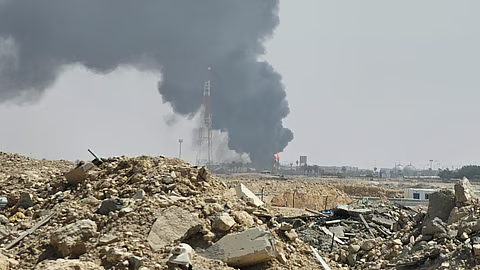
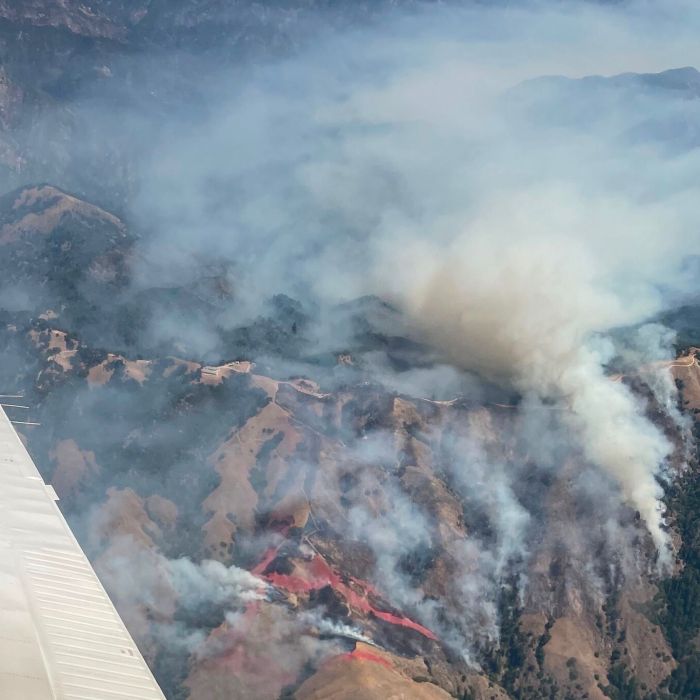
Trump’s announcement landed against a backdrop of intense regional tension. The United States and Iran agreed to a ceasefire earlier in the spring, but it has been fragile, marked by occasional outbreaks of hostilities. A weekend drone strike that sparked a fire near a UAE nuclear power plant — widely blamed on Iran, though unclaimed — added to fears that the conflict could spiral.
The news also had immediate economic ripples. Oil prices, which had been climbing on fears of a prolonged standoff and disruption to the Strait of Hormuz, fell shortly after Trump’s post.
What to Watch Next
For now, the situation remains highly fluid. A short window of negotiation has opened, but it rests on a fragile foundation of mutual distrust and shifting demands. Whether Gulf diplomacy can produce the agreement Trump describes — one that permanently rules out an Iranian nuclear weapon — remains uncertain.
What is clear is that the pause is temporary by design. Trump has framed the coming days as a final test: if talks deliver, conflict may be averted. If they collapse, the president has signaled that the option of a large-scale strike could return without warning. The next few days could prove decisive for the region’s stability.
Author