Treasury Lawyer Resigns as Anti-Weaponization Fund Sparks Controversy
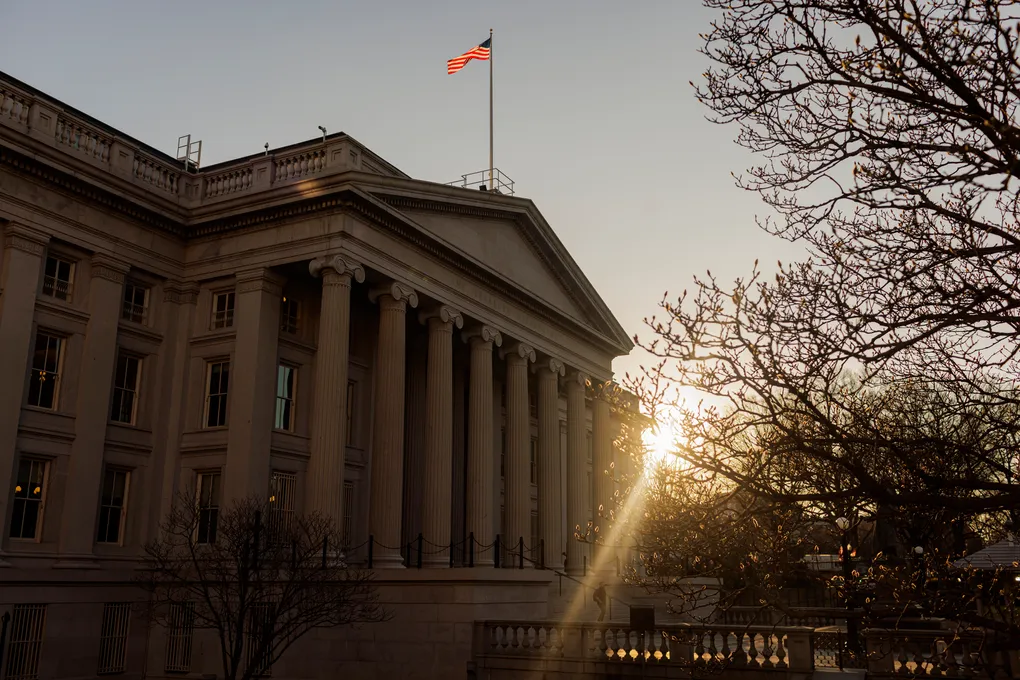
The news that a top Treasury lawyer resigns over the anti-weaponization fund has drawn fresh attention to a controversial new financial arrangement created by the Trump administration. Brian Morrissey, the general counsel of the Treasury Department, stepped down on Monday — just hours after officials announced the creation of a $1.8 billion fund that could soon channel payments to political allies of President Trump.
According to three people familiar with the situation, Morrissey’s departure came in the immediate aftermath of the fund’s announcement, raising questions about how the timing and the resignation are connected.
A Sudden Exit After Only Seven Months
Morrissey’s resignation is striking not only for its timing but for how recently he had taken on the role. He had been confirmed by the Senate to serve as Treasury general counsel just seven months earlier, making his exit unusually abrupt for such a senior legal position.
He did not respond to requests for comment. A Treasury spokesman offered a brief but cordial statement, saying that Morrissey had served the department with honor and integrity, and wishing him well in his future plans.
In his resignation letter, Morrissey reportedly struck a gracious tone. According to two people familiar with its contents, he expressed gratitude for the opportunity to work under both President Trump and Treasury Secretary Scott Bessent.
What Is the Anti-Weaponization Fund?
At the center of the controversy is a newly established $1.8 billion fund created by the Justice Department. Its stated purpose is to make payments to individuals who claim they were improperly targeted by the Biden administration.
That group, however, is not politically neutral. It reportedly includes supporters of President Trump, former members of his staff, and even people who took part in the storming of the US Capitol on January 6, 2021. Because the fund could direct money toward Trump’s own political allies, critics have questioned whether it represents a fair remedy or a politically motivated payout.
How the Money Will Flow
The financial mechanics of the arrangement help explain why it falls under the Treasury Department’s responsibility — and why it may have placed Morrissey in a difficult position.
Under the terms released on Monday, the Treasury Department is tasked with depositing roughly $1.776 billion into a dedicated account. Control of that account will rest with a group of individuals chosen by the acting attorney general, Todd Blanche.
The source of the money is also notable. It will be drawn from the Judgment Fund, a federal account with no spending cap that the government can use to pay out settlement claims. Crucially, money from the Judgment Fund can be spent without requiring approval from Congress, which means this large sum can move without the usual legislative oversight.
The Lawsuit Behind the Fund
The anti-weaponization fund did not appear in isolation. It is part of a settlement agreement tied to a lawsuit that President Trump himself brought against the Internal Revenue Service, the agency that operates under the Treasury Department’s authority.
In that suit, Trump accused the IRS of failing to do enough to prevent the unauthorized release of his tax information during his first term in office. The legal claim, in other words, targeted an agency that now falls within his own administration.
That overlap proved to be a sticking point. On Monday, Trump dropped the lawsuit after a judge raised pointed questions about whether a sitting president can legally sue a government agency that he ultimately controls. The settlement — and the fund it created — emerged as the suit was being withdrawn.
Why the Resignation Raises Questions
While neither Morrissey nor the Treasury Department has explicitly linked his departure to the fund, the sequence of events has invited scrutiny. A Senate-confirmed general counsel stepping down within hours of a major financial announcement is the kind of timing that rarely goes unnoticed.
The arrangement touches on several sensitive issues at once: large sums of public money moving without congressional approval, payments potentially reaching the president’s political allies, and a lawsuit in which the president sued his own government. For the department’s top lawyer, navigating those overlapping concerns would have presented significant legal and ethical complexity.
A Story Still Unfolding
For now, the full reasons behind Morrissey’s resignation remain unclear, and both he and the Treasury Department have kept their public comments brief and measured. What is clear is that the creation of the anti-weaponization fund marks a significant and contested moment, blending legal disputes, political loyalty, and the use of an uncapped federal funding source.
As the fund begins to operate and payments are eventually disbursed, it is likely to face continued attention from lawmakers, legal observers, and the public. The questions it raises — about oversight, fairness, and the proper boundaries of government power — are unlikely to fade quickly.
Author