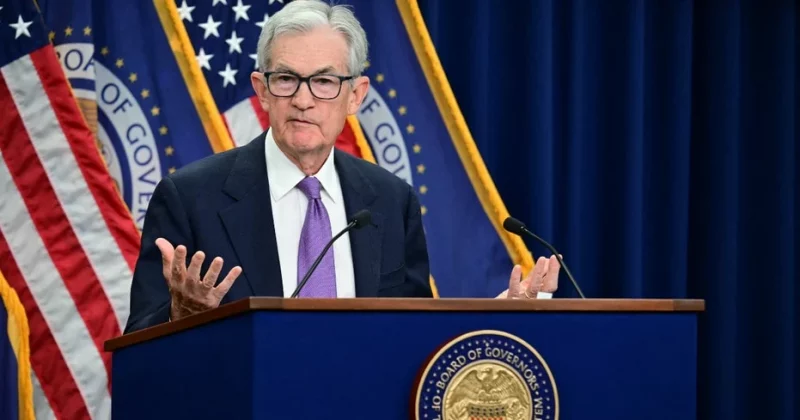
The latest Federal Reserve meeting minutes have unleashed a fresh wave of conversation across financial markets, revealing that a majority of Fed officials believe interest rate hikes could return if inflation continues to run hot. The disclosure, drawn from the April 28-29 policy meeting, suggests that the central bank’s internal debate is far more complex — and far more hawkish — than many investors anticipated.
At a time of mounting global tensions, surging energy prices, and a looming leadership transition at the Fed, the minutes offer one of the clearest snapshots in months of how policymakers are interpreting the economy’s evolving risks. They also signal that the next major monetary policy move could go in either direction, depending heavily on how inflation behaves in the coming weeks.
A Bigger Group of Hawks Than Expected
Although Federal Reserve officials decided to hold interest rates steady at the April meeting, the minutes show that internal debate was notably more divided than the formal statement suggested. According to the documents:
- A majority of Fed officials said rate hikes “would likely become appropriate” if inflation continues to run above the 2% target
- Four voting members dissented at the meeting
- Three of those dissenters wanted the policy statement to acknowledge that the next move could go up or down
- The official statement, however, leaned toward a future rate cut
The shift in tone hints at growing concerns over inflation stickiness, particularly as new geopolitical pressures inject fresh uncertainty into commodity and energy markets.
Why Inflation Pressures Are Heating Up Again
The April meeting took place against a backdrop of unusual economic complexity. Some of the major forces influencing inflation expectations include:
- The ongoing conflict involving Iran
- Sharp increases in energy prices and crude oil
- Rising costs of essential commodities
- Continued effects of global tariffs
- A broader supply-chain reconfiguration following past trade disputes
- Concerns about inflation expectations becoming “unanchored”
Each of these factors has the potential to feed into broader price pressures, especially in the U.S. consumer economy. While the Fed has emphasized patience, it’s clear that several officials are nervous about how long current inflation drivers will last.
A Critical Quote From the Minutes
The most defining passage from the minutes reads:
“A majority of participants highlighted … that some policy firming would likely become appropriate if inflation were to continue to run persistently above 2 percent.”
The phrase “policy firming” essentially refers to tighter monetary policy — including potential interest rate hikes.
What the minutes did not specify is exactly how long officials would need to observe persistently high inflation before pushing for hikes. That ambiguity is one of the reasons financial markets are watching every economic data release with extreme attention.
A Fed in Transition
The April meeting was widely expected to be Jerome Powell’s final meeting as Fed chair. With Kevin Warsh — who has expressed support for rate cuts — set to take over the helm, the inflation debate is at a politically and economically sensitive juncture.
This transition matters because:
- Warsh’s stance leans toward easier monetary policy
- The current majority leans toward hikes if inflation persists
- A new chair could shift the tone of FOMC communications
- The Fed must navigate a delicate balance between inflation and slowing growth
- Public perception of the Fed’s independence remains under scrutiny
In short, the central bank is preparing to enter a new chapter while juggling some of its toughest economic challenges in years.
Energy Prices: The Central Wildcard
One of the biggest risks shaping the Fed’s thinking is the spillover effect of higher energy prices, fueled by the Iran conflict. The minutes show:
- Several officials believe rate cuts could still be warranted later this year if the conflict ends
- Others remain concerned about sustained energy spikes
- A “some” — a Fed-speak qualifier meaning a slightly bigger group than “several” — warned that elevated energy prices combined with tariffs could:
- Embed inflation more broadly
- Push inflation expectations off course
- Create longer-lasting structural pressures
This concern about expectations “de-anchoring” is significant. Once consumers and businesses begin to anticipate sustained high inflation, the Fed often finds it must act more aggressively to restore confidence.
The Two Possible Paths Ahead
Based on the minutes, the Fed appears to be considering two competing scenarios for the rest of 2026:
Scenario 1: Inflation Cools, Rate Cuts Return
This would likely require:
- A quick resolution to the Iran conflict
- Stabilization of energy markets
- Tariff impacts fading from inflation data
- Slowing wage growth
- A return to softer consumer demand
If these conditions materialize, rate cuts could re-enter the conversation later this year.
Scenario 2: Inflation Stays Sticky, Rate Hikes Become Possible
This would likely involve:
- Sustained high oil prices
- Continued tariff-driven cost pressures
- Strong consumer spending fueling demand
- Inflation expectations rising
- Wage growth remaining elevated
In this case, the Fed may have no choice but to tighten policy again — a scenario that would shock many investors expecting the easing cycle to dominate the year.
A Surprising Topic: AI-Driven Cybersecurity Risks
While the spotlight is naturally on inflation, one of the more unexpected revelations from the minutes is the Fed’s growing concern about AI-driven cybersecurity threats. According to the documents:
- “Many” officials raised cybersecurity as a top issue
- “Several” specifically pointed to risks tied to rapidly advancing AI models
- They warned that “hostile cyber intrusions” at major banks or essential financial infrastructure could materially affect the financial system
This concern is not abstract. The Fed meeting came just weeks after AI company Anthropic delayed the public release of its Mythos model, citing fears about its ability to autonomously locate and exploit security vulnerabilities.
Recent Reporting Adds More Context
Axios confirmed that Treasury Secretary Scott Bessent and then-Fed chair Jerome Powell recently met with major Wall Street banks to address concerns around AI-powered cyberattacks.
The discussions reportedly focused on:
- Risks to interbank transaction systems
- Vulnerabilities in payment infrastructure
- Possible exploitation of AI models by hostile actors
- Defensive AI tools used by financial institutions
- The need for cross-industry collaboration on cybersecurity
This signals that the financial system is preparing for a future where AI is both a tool and a threat — one that could affect monetary stability, public trust, and even systemic risk.
Market Reaction and What to Watch Next
The release of the minutes has already begun shifting market expectations. Investors are now adjusting their outlook based on:
- Renewed possibility of rate hikes
- Reduced certainty about timing of future rate cuts
- Continued geopolitical tension
- Volatile commodity prices
- Forthcoming leadership change at the Fed
Bond yields could move higher, stock market sectors sensitive to interest rates may experience increased volatility, and the U.S. dollar could see fresh upward pressure depending on inflation data in the weeks ahead.
A Pivotal Moment for the Fed
The April minutes paint a vivid picture of a central bank in transition. Officials are navigating geopolitical instability, evolving inflation dynamics, growing cybersecurity risks, and a high-stakes leadership change — all at once.
What emerges is a Federal Reserve more divided, more cautious, and more attuned to global shocks than the official policy statement initially suggested.
The Bottom Line
The Fed rate hikes inflation 2026 narrative is reshaping the financial world’s expectations. While the central bank has held rates steady for now, the internal conversation is shifting toward the possibility of tightening if inflation refuses to fall.
With Kevin Warsh preparing to take the helm and global pressures intensifying, the months ahead are likely to bring some of the most consequential monetary policy decisions in years. Markets, businesses, and consumers will all be watching closely — because what the Fed decides next could shape the economic landscape well into 2027.
For now, one thing is certain: the era of easy assumptions about U.S. monetary policy is over. The central bank is preparing for a new, more uncertain chapter — and the world is watching every step.
Author