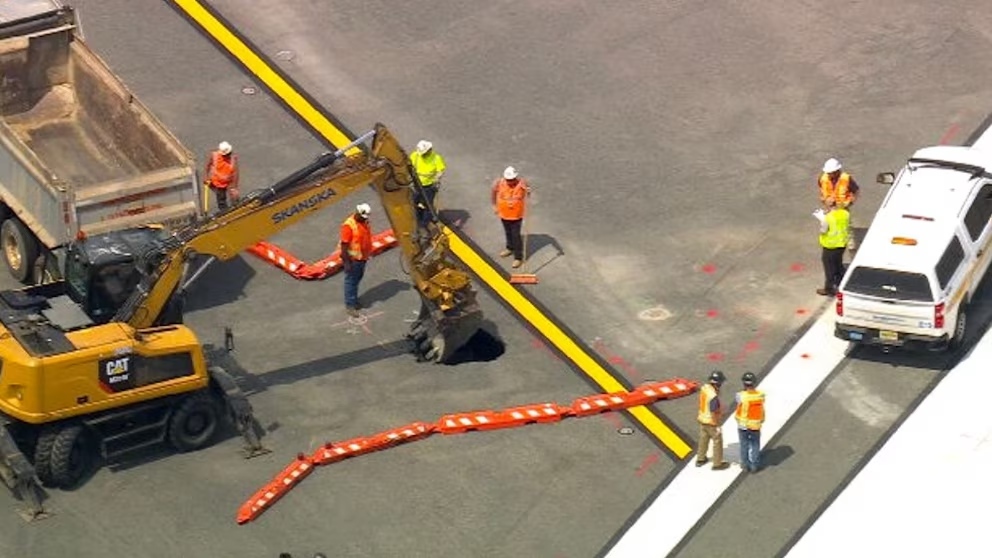
The LaGuardia Airport sinkhole incident has thrown one of New York City’s busiest travel hubs into chaos, after airport crews discovered a depression near a major runway during a routine inspection. The unexpected finding forced officials to shut down operations on Runway 4/22, leaving hundreds of travelers scrambling as delays and cancellations mounted throughout the day.
The discovery underscores just how fragile aviation infrastructure can be — and how quickly a single anomaly can disrupt thousands of travel plans.
How the Sinkhole Was Discovered
According to airport officials, the depression was identified around 11 a.m. on Wednesday during LaGuardia’s standard daily airfield inspection. These inspections are designed to detect potential surface irregularities before they pose a threat to aircraft operations, and Wednesday’s inspection caught the problem exactly as intended.
In a statement shared on LaGuardia’s official X account, airport authorities confirmed:
- The affected runway was immediately shut down
- Emergency construction and engineering teams were dispatched
- Crews were already onsite working to determine the cause of the sinkhole
- Repairs were expected to proceed as quickly and safely as possible
While airport officials avoided speculation about what caused the depression, sinkholes near runways are notoriously unpredictable and can develop due to a variety of underground factors.
Possible Causes Behind Sinkhole Formation
Although the root cause hasn’t yet been confirmed, runway sinkholes can typically be triggered by a mix of natural and structural issues, such as:
- Soil erosion beneath the pavement
- Leaking or aging underground drainage systems
- Heavy rainfall over extended periods
- Frost heave during seasonal temperature shifts
- Long-term wear on subsurface materials
- Underground utility issues
Aviation engineers will likely conduct extensive imaging and geotechnical analysis to determine the precise reason before approving repairs.
Operations at LaGuardia Take an Immediate Hit
LaGuardia operates with extremely high traffic density, especially during peak travel hours. Closing one of its key runways instantly created a ripple effect across the entire airport. According to FlightAware data, by Wednesday afternoon:
- Departures were delayed by an average of 30 minutes
- Arrival delays stretched to roughly 38 minutes
- Multiple flights were canceled outright
- Airline crews scrambled to rebook stranded travelers
The Port Authority of New York and New Jersey said it remained “in close communication” with airlines, monitoring the situation and pushing for updates to be relayed to travelers as quickly as possible.
Thunderstorms Threaten to Worsen the Disruption
To complicate matters, the weather forecast for Wednesday included thunderstorms throughout the New York metro region — a major concern for an already strained airport.
When severe weather meets reduced runway capacity, the impact can compound rapidly. Some of the potential disruptions include:
- More delays due to airspace congestion
- Diversions to nearby airports
- Limited gate availability
- Crew duty hour restrictions affecting scheduling
- Cascading delays into the evening and following day
By midafternoon, travelers were being urged to monitor airline updates closely, as airline operations centers worked to navigate both the runway closure and the incoming weather.
A Broader Concern for Airport Infrastructure
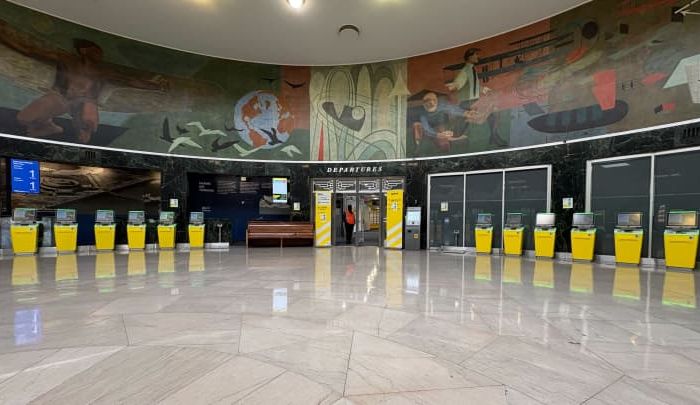
LaGuardia has undergone a sweeping multi-billion-dollar transformation in recent years, with new terminals, modernized facilities, and upgraded passenger amenities. But Wednesday’s sinkhole incident highlights an often-overlooked challenge in modern aviation: the condition of subsurface infrastructure.
While the terminals may shine with futuristic designs and digital enhancements, the runways, taxiways, and utility lines beneath them are older, complex, and constantly stressed by tens of thousands of aircraft movements every year.
Issues like sinkholes, drainage failures, and pavement deterioration may be rare, but they highlight the importance of regular inspections, especially at high-volume airports like LaGuardia.
A Routine Inspection That Saved the Day
Although the disruption is significant, the discovery itself is being viewed as a major success for airfield safety protocols. Routine inspections are designed precisely to catch issues like this — before they pose a real risk to aircraft, crew, or passengers.
Some of the immediate safety wins from the inspection include:
- Avoiding any aircraft impact with the affected area
- Preventing potential ground damage to landing aircraft
- Allowing engineers to assess and respond before structural collapse
- Maintaining safety during ongoing weather concerns
- Protecting the broader airport infrastructure
In aviation safety, catching problems early is everything. A sinkhole discovered before an aircraft passes over it is a near-perfect example of how preventive inspections protect lives.
Travelers Urged to Stay Informed
Travelers heading to or from LaGuardia were urged to:
- Check their airline’s app or website for updates
- Sign up for text alerts to receive real-time changes
- Arrive earlier than usual if flights remain scheduled
- Anticipate longer security lines due to passenger pileups
- Be patient with airline staff working through major disruptions
Several airlines began issuing rebooking waivers, allowing affected travelers to change their flights without fees — a common move during operational disruptions at major airports.
Industry-Wide Impact
Although the sinkhole is contained to LaGuardia, the disruption is unlikely to remain a purely local issue. With aircraft, crews, and routes interconnected across the country, delays at one major airport can rapidly affect operations elsewhere.
Some of the broader ripple effects could include:
- Delayed connections at hubs like JFK, Newark, Atlanta, Chicago, and Charlotte
- Aircraft positioning issues affecting morning flights on Thursday
- Crew scheduling complications
- Increased pressure on customer service teams nationwide
It’s not uncommon for a single major disruption to create operational headaches for an entire day or longer.
The Path Forward
Engineers will now work to:
- Diagnose the cause of the sinkhole
- Stabilize the surrounding pavement
- Inspect for additional vulnerabilities
- Plan repairs that meet FAA standards
- Reopen the runway as quickly as possible without compromising safety
The timeline for reopening Runway 4/22 has not yet been officially confirmed, but airport authorities have promised continuous updates as the situation evolves.
A Reminder of Aviation’s Hidden Complexity
Modern aviation often feels seamless to passengers — until something interrupts the flow. Wednesday’s incident at LaGuardia is a reminder that behind every smooth takeoff and landing lies an enormous, intricate network of inspections, engineers, and infrastructure that must work in harmony.
When that system catches a problem early, even a sinkhole near a runway becomes a story of effective protocol rather than a major catastrophe.
For travelers caught up in Wednesday’s delays, the inconvenience is real. But the broader takeaway is reassuring: the airfield inspection system did exactly what it was designed to do. Now the priority shifts to swift repairs, restored operations, and getting LaGuardia back to full capacity.
For now, patience and flexibility remain the best tools any traveler can carry through the airport doors.
Author