Trump Troops to Poland: A Surprise Boost in U.S. Military Presence
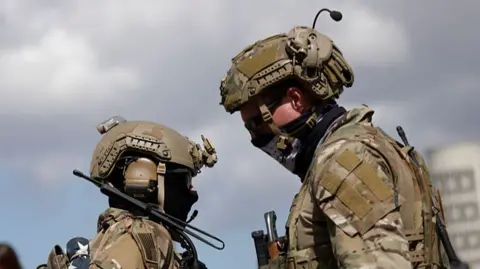
In an unexpected announcement on Thursday, President Donald Trump declared that the United States will send an additional 5,000 troops to Poland, signaling a notable shift in America’s military posture across Europe. The decision caught many off guard, especially since it comes just a week after the Pentagon abruptly called off a separate deployment of 4,000 troops to the same country.
The move underscores how rapidly the Trump administration’s approach to European defense can change, and it raises fresh questions about Washington’s long-term strategy on the continent.
A Sudden Policy Reversal
Only days before this announcement, the administration was signaling a pullback. Officials had said that 5,000 American troops would be withdrawn from Germany, and broader reductions across Europe were widely expected to follow.
Then came the Pentagon’s surprise cancellation of the Poland deployment last week, a move that confused allies and analysts alike. Now, with Trump’s latest declaration on Truth Social, the trajectory has flipped once again. Instead of reducing the U.S. footprint, the president is choosing to expand it.
Why Poland?
According to Trump, the decision was directly tied to the election of Poland’s conservative president, Karol Nawrocki, whom Trump publicly endorsed during the campaign. With a like-minded leader now in office, the U.S. president appears to view Poland as a strategic partner deserving of expanded military support.
The timing also lines up with growing regional concerns. Poland has been increasingly on edge due to a series of provocative actions from Russia in recent months, including:
- Russian drones repeatedly violating Polish airspace, prompting NATO and Polish forces to shoot them down
- Heightened concerns about Moscow’s intentions toward NATO’s eastern flank
- A reported increase in espionage and sabotage operations linked to Russia
Earlier this week, Polish officials announced the arrest of three citizens accused of spying for Moscow. Authorities believe the individuals were preparing sabotage missions and helping coordinate disinformation campaigns targeting NATO members.
Silence From the Pentagon
So far, the official response has been quiet. The Pentagon declined to comment and instead pointed reporters to the White House. The White House, in turn, had not responded to media inquiries about the decision as of Thursday afternoon.
That silence has left analysts trying to piece together how this latest move fits into the broader picture of U.S. military strategy, particularly given the recent talk of scaling back forces in Europe.
By the Numbers: U.S. Military Presence in Europe
To put Trump’s announcement in context, it helps to look at where American forces are currently stationed across the continent. According to a Council on Foreign Relations analysis:
- About 80,000 U.S. troops are based in Europe overall
- Roughly 10,000 of those are stationed in Poland
- Germany hosts the largest U.S. military presence, with more than 38,000 troops
Adding 5,000 more soldiers to Poland would represent a substantial 50 percent increase in the American presence in the country, pushing it closer to becoming one of the most strategically reinforced NATO partners in Eastern Europe.
What This Means for NATO and Russia
The decision is likely to send mixed signals across the international stage. For NATO allies, especially those near Russia’s borders, a stronger U.S. footprint in Poland will likely be welcomed as a reassuring sign of commitment. The Baltic states, in particular, have been calling for stronger Western deterrence against Moscow.
For Russia, however, the move could be seen as provocative. With ongoing tensions over the war in Ukraine and rising hostilities along NATO’s eastern frontier, expanded U.S. troop levels in Poland could further inflame relations between Washington and Moscow.
A Pattern of Unpredictability
What makes this announcement particularly striking is the abrupt back-and-forth nature of recent decisions. Within just two weeks, the Trump administration has:
- Floated reducing U.S. troop levels in Germany and Europe broadly
- Cancelled a planned 4,000-troop deployment to Poland
- Reversed course again with a fresh 5,000-troop commitment to Poland
For European leaders trying to plan for long-term security, this kind of unpredictability poses real challenges. Allies often build their own defense strategies based on assumptions about U.S. commitments, and shifting positions can complicate joint planning efforts.
The Domestic Political Angle
Domestically, Trump’s announcement also taps into themes he has emphasized throughout his second term, including rewarding allies who align with his political vision and emphasizing strength on the world stage. Trump’s public endorsement of Nawrocki and now this troop surge suggest a personal investment in Poland’s leadership and direction.
It also reinforces a pattern where Trump’s foreign policy decisions are often shaped by personal relationships and ideological alignment with foreign leaders, rather than by traditional diplomatic or military frameworks.
Looking Ahead
The coming days and weeks will likely bring more clarity about how this deployment will unfold. Key questions include:
- Where in Poland the new troops will be stationed
- Whether the troops will be drawn from forces stationed in Germany
- How long the deployment is expected to last
- What role these forces will play in NATO operations
Until then, all eyes remain on Washington and Warsaw as the details of this surprise commitment continue to emerge.
Final Thoughts
Trump’s announcement to send 5,000 more troops to Poland marks a significant moment in the broader story of U.S. engagement in Europe. While it may reassure NATO partners on the eastern front, it also highlights the increasingly fluid and reactive nature of American foreign policy under his administration. Whether this signals a long-term strategic pivot or simply another twist in a fast-moving political landscape remains to be seen.
Author