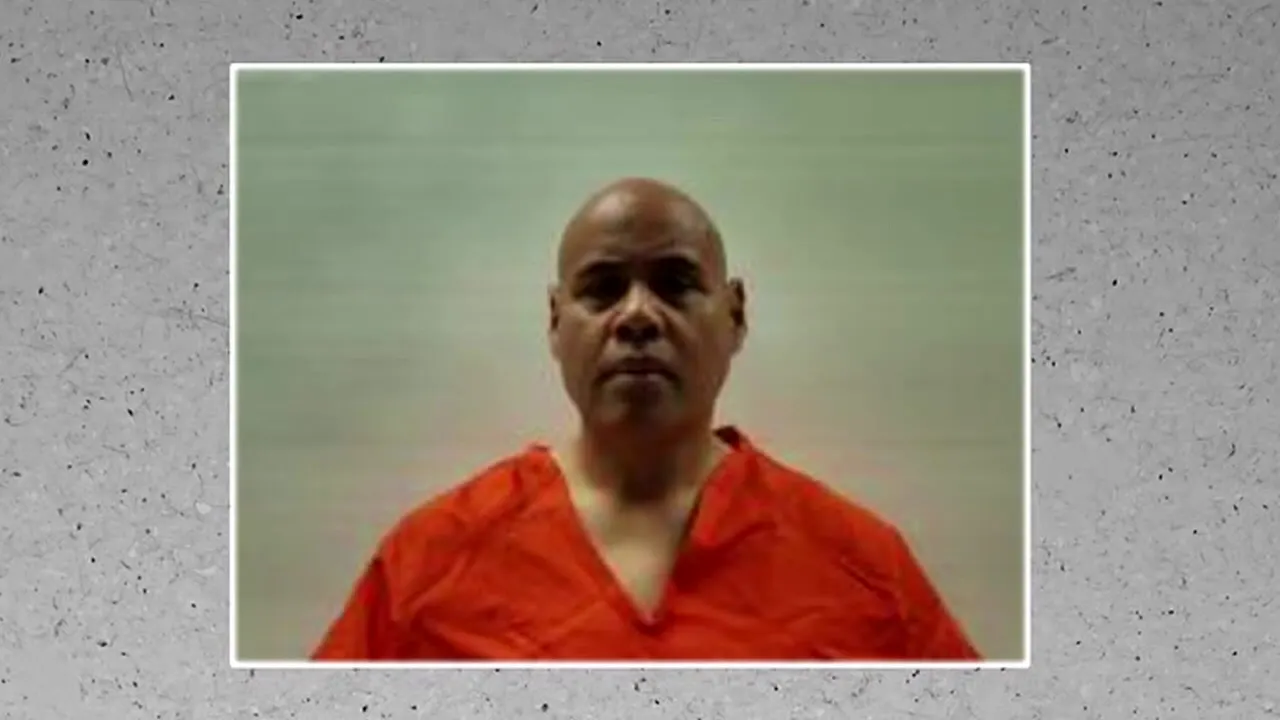
The case of ICE agent Christian Castro has taken another turn, with the Department of Homeland Security confirming Friday that he has been suspended without pay while investigations continue.
Castro walked out of a Texas jail Thursday after a statutory detention deadline expired, leaving a Minnesota prosecution pending against a man now free and unmonitored.
The Charges He Faces
Minnesota authorities charged Castro with four felony counts of second-degree assault with a dangerous weapon, plus a misdemeanor count of falsely reporting a crime.
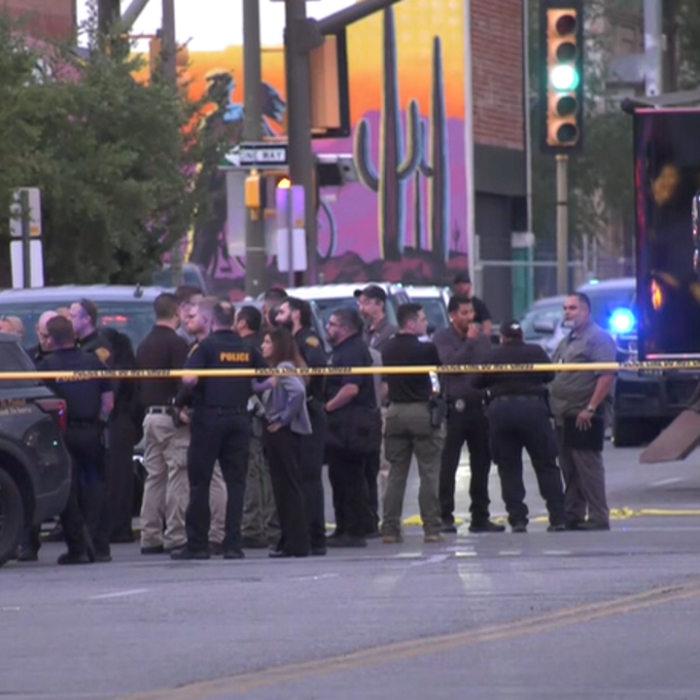
The charges stem from a shooting on January 14 in north Minneapolis, which occurred during a federal enforcement operation known as Operation Metro Surge.
Prosecutors allege that Castro, acting in his capacity as an officer with US Immigration and Customs Enforcement, fired through the door of a home and struck Julio Sosa-Celis, a Venezuelan man, in the leg.
The Account That Fell Apart
The additional layer to this case involves what Castro told investigators afterward.
He initially reported to the FBI that Sosa-Celis and others had attacked him, describing an assault involving a snow shovel and a broom handle.
Video evidence did not support that description. The discrepancy prompted federal authorities to open a separate line of inquiry into whether Castro made false statements under oath.
A senior DHS official addressed that directly, noting that lying under oath constitutes a serious federal offense and confirming that the US Attorney’s Office is actively examining his statements.
That means Castro now faces exposure on two fronts — the state assault charges in Minnesota, and a potential federal case built around what he said afterward.
Why He Was Released
The release itself has drawn attention, but the sheriff who authorized it says the decision was not discretionary.
Cameron County Sheriff Manuel Treviño told ABC affiliate KRGV-TV that his agency had no legal basis to keep Castro in custody.
Castro’s 90-day detention limit had run out under state law, Treviño said, and no extradition had occurred within that window. Once both conditions were met, release became mandatory rather than optional.
The sheriff also confirmed that a federal ruling had denied Castro’s extradition, and said his office received no instructions beyond honoring that decision.
No Conditions Attached
Treviño was explicit about what his agency did and did not impose.
His office placed no restrictions on Castro’s movement. There is no ankle monitor, no supervision requirement, nothing limiting where he can go. The release was unconditional because, in the sheriff’s framing, imposing conditions was not within his authority.
Anything further, he said, would come from Minnesota directly to Castro — a matter between the state and the individual, not something his department could arrange or enforce.
The practical effect is that a man facing felony charges in one state is now at liberty in another, with no mechanism ensuring his appearance.
The Sheriff Draws a Line
Treviño acknowledged that opinions differ sharply on whether Castro should have been extradited, and made a point of separating his agency from that argument.
He said his office was not choosing sides in the dispute. The law required release, and his department carried out that requirement.
He also addressed the person injured in the shooting, saying his office feels for the family of the man who was hurt while maintaining that the duty to follow the law does not bend based on sympathy.
The Jurisdictional Problem
What this case exposes is a gap between state prosecution and federal employment.
Minnesota brought charges. A federal ruling blocked extradition. Texas held Castro until its own statutory clock ran out, then released him because nothing authorized continued detention.
Each step followed established procedure. The combined result is a prosecution without a defendant present, and a question about whether Minnesota can compel his return through any remaining mechanism.
Cases involving federal officers charged by state authorities frequently encounter this kind of friction. Federal law provides certain protections for agents acting within the scope of their duties, and determining whether particular conduct falls inside that scope often becomes the central fight.
Where Things Stand
Castro remains suspended from ICE without pay, with DHS confirming the suspension continues while investigations proceed.
The Minnesota charges remain filed. The federal inquiry into his statements remains open. He remains free in Texas without restrictions.
For Sosa-Celis, who was shot through a door and injured, the path to any resolution now runs through jurisdictional questions that have little to do with what happened that January night in Minneapolis.
Author