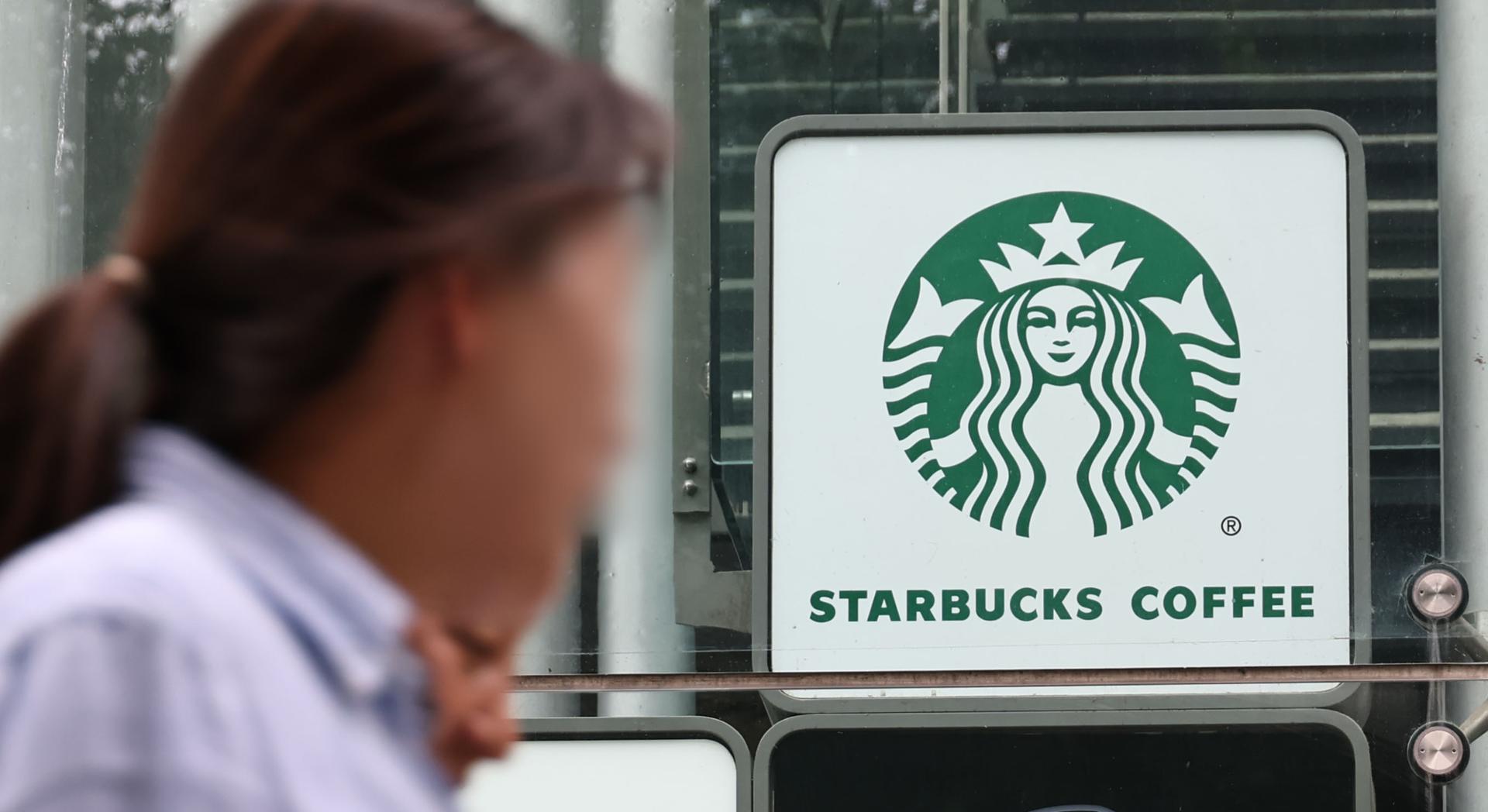
The Starbucks Korea Tank Day controversy has snowballed into one of the biggest corporate scandals the country has witnessed in recent memory, leaving the popular coffee chain reeling from a dramatic plunge in sales. What was meant to be a routine marketing campaign turned into a national flashpoint, reopening painful historical wounds and prompting widespread public anger.
A Marketing Campaign That Crossed a Line
At the heart of the storm is Shinsegae Group, the South Korean conglomerate whose subsidiary E-Mart operates Starbucks outlets across the country. The company rolled out a promotion dubbed “Tank Day” on May 18—an extraordinarily sensitive date in South Korean history. That very day marks the anniversary of the Gwangju Uprising, when the military regime under Chun Doo-hwan sent in soldiers and tanks to violently suppress pro-democracy demonstrators in 1980.
For many South Koreans, the imagery and timing felt unforgivable. The campaign appeared to trivialize an event that left hundreds of citizens dead or missing—an open wound in the nation’s collective memory.
Shinsegae’s Chairman Steps Forward
On Tuesday, Shinsegae Group Chairman Chung Yong-jin held a press conference to publicly own up to the disaster. Visibly contrite, Chung acknowledged the pain caused and pleaded with the public not to direct their anger at frontline Starbucks workers who had nothing to do with the decision.
He stated that he took the situation extremely seriously, recognizing that the inappropriate campaign had caused widespread hurt and outrage. Chung also made it clear that he personally accepted full responsibility for what had unfolded.
This wasn’t his first attempt at apologizing. Back on May 19, Chung had already issued an initial statement expressing regret, particularly toward the victims and surviving families of the May 18 Democratization Movement, along with the broader Korean public.
Sales Take a Heavy Hit
The financial damage has been substantial. According to a Shinsegae spokesperson, sales have tumbled noticeably since the backlash erupted. While the company insists revenue isn’t its top priority right now, officials admitted that the decline has been severe.
The fallout extends well beyond cash registers. Last week, Shinsegae dismissed the head of Starbucks Korea over the campaign, and Starbucks Global has also issued its own apology while launching an internal investigation into how such a tone-deaf promotion was ever approved.
Investigation and Lingering Questions
During Tuesday’s press briefing, senior Shinsegae executive Jeon Sangjin addressed ongoing speculation about whether marketing staff had intentionally mocked the democracy movement. According to Jeon, the internal review hasn’t produced solid evidence proving intent, and the employees involved have firmly denied any malicious motivation.
That said, complications have surfaced. Jeon revealed that several employees declined to surrender their smartphones during the company’s weeklong internal investigation. The company has indicated it will wait for the results of a police inquiry before taking further action, and warned that anyone found to have deliberately ridiculed the protesters will be terminated.
Government Officials Join the Backlash
The controversy quickly spilled into political territory. Interior and Safety Minister Yoon Ho-jung announced that Starbucks products would be banned from official government functions, openly criticizing what he described as the chain’s disregard for history.
Even President Lee Jae Myung weighed in publicly. In a post on X, the president condemned the campaign as a shameful display by opportunists who, in his words, dismissed the foundational values of South Korean society, including human rights and democratic principles.
Such high-level condemnations have only added fuel to grassroots calls for a nationwide boycott of the coffee chain.
The Weight of History Behind the Outrage
To understand why this campaign struck such a nerve, it helps to revisit what happened in Gwangju in May 1980. When citizens rose up against the authoritarian military government, the regime responded with overwhelming force. Soldiers and armored vehicles rolled into the city, and hundreds of people are believed to have lost their lives or vanished without a trace.
Decades later, key questions about that bloody crackdown remain unanswered—including the fundamental issue of who actually gave the order for troops to open fire on civilians. For survivors and bereaved families, the wound has never fully healed, which is why invoking tank imagery on the anniversary of that tragedy felt like a profound insult.
What This Means for Starbucks in Korea
The road back to public trust will likely be long and difficult for Starbucks Korea. Apologies, executive firings, and internal probes are necessary first steps, but rebuilding the brand’s image in a market this passionate about historical memory will require sustained effort and genuine reflection.
For multinational corporations operating in South Korea, the episode offers a stark lesson. Cultural sensitivity isn’t optional, and certain dates on the calendar carry weight that no marketing team can afford to overlook. A single thoughtless campaign can undo years of brand building in a matter of days.
Looking Ahead
As the police inquiry unfolds and Starbucks Global continues its own investigation, all eyes remain fixed on how Shinsegae will navigate the coming weeks. Chairman Chung’s repeated apologies and the company’s swift personnel changes suggest awareness of the gravity of the situation, but only time will tell whether South Korean consumers are willing to forgive—and return to their favorite coffee chain.
For now, the Starbucks Korea Tank Day controversy stands as a cautionary tale about the cost of corporate carelessness, and a reminder that in a country still healing from authoritarian trauma, history is never just history.
Author