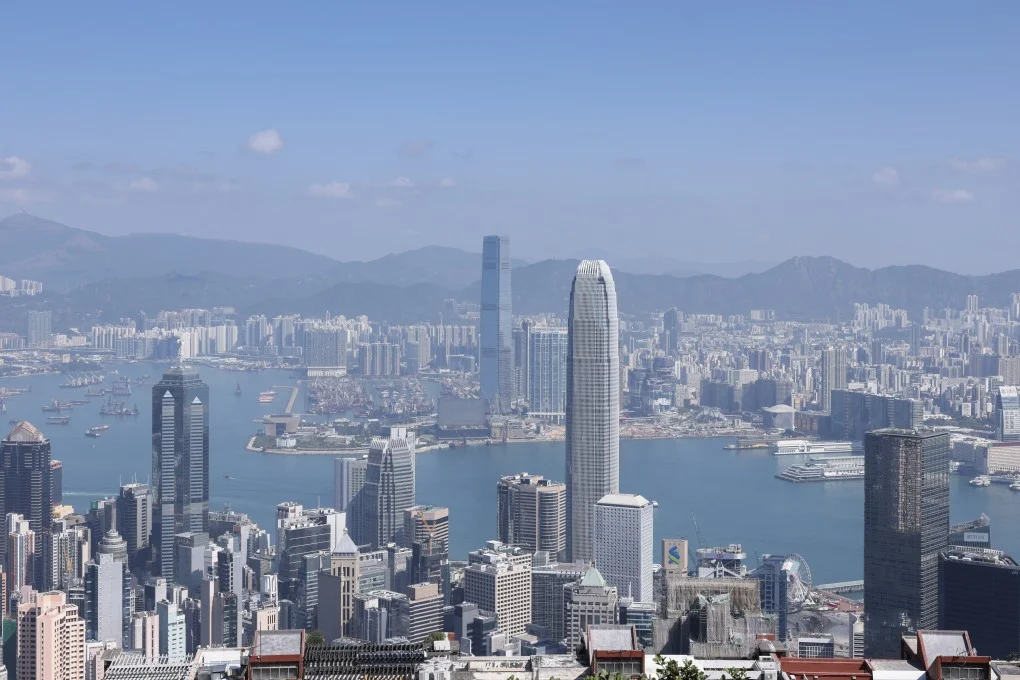
The Hong Kong offshore wealth hub has officially claimed the top spot in global finance, narrowly surpassing long-time leader Switzerland to become the world’s largest cross-border wealth center. This historic shift, driven by surging capital inflows from mainland China and a strong recovery in local equity markets, marks a defining moment in the rebalancing of global financial power toward Asia.
A Historic Shift in Global Wealth
For decades, Switzerland held an almost unshakable reputation as the world’s premier destination for offshore wealth. Its tradition of banking secrecy, political neutrality, and financial expertise made it the natural home for international fortunes. But the landscape is changing fast, and Hong Kong has emerged as the new leader.
According to the 2026 Global Wealth Report from Boston Consulting Group, offshore assets booked in Hong Kong climbed 10.7% in 2025, reaching a remarkable $2.9 trillion. That growth was enough to push the Asian financial hub just past Switzerland, ending the European country’s long reign at the top.
What’s Driving Hong Kong’s Rise
The shift didn’t happen overnight. Hong Kong’s ascent is the result of several powerful forces working together to transform the city into Asia’s dominant wealth management center.
Some of the key drivers behind the change include:
- A steady flow of capital from mainland China seeking international exposure
- A resurgent Hong Kong stock market attracting global investors
- China’s continued manufacturing dominance generating massive wealth
- A rebounding IPO market bringing new listings and liquidity
- Strong financial infrastructure tailored to high-net-worth clients
- Strategic location bridging Chinese and global capital markets
The combination of these factors has created an environment where wealth naturally flows toward Hong Kong, and the city has been well-positioned to capture that momentum.
The Mainland China Connection
The role of mainland China in Hong Kong’s rise cannot be overstated. As China’s economy has grown and its wealthy class has expanded, more and more capital has sought avenues for international diversification. Hong Kong, with its unique status as a global financial center under Chinese sovereignty, has become the natural gateway for this wealth.
Mainland investors view Hong Kong as offering the best of both worlds. It provides access to international markets, global financial products, and currency diversification while remaining culturally and politically connected to China. This positioning is something no other financial center can quite replicate.
Switzerland’s Slipping Lead
Switzerland hasn’t disappeared from the wealth management map by any means. The country remains an absolute powerhouse, with deep expertise, a long tradition of discretion, and a globally respected banking sector. However, several challenges have made it harder for Switzerland to maintain its top position.
Factors working against Switzerland include:
- Tightening international regulations on banking secrecy
- Slower economic growth in Europe compared to Asia
- Increased competition from other wealth hubs
- The natural shift of global wealth toward Asia-Pacific markets
- Pressure from U.S. and EU authorities on transparency rules
While Switzerland still offers world-class services, the structural forces driving wealth toward Asia have simply been too strong to resist.
Looking Toward 2030
Boston Consulting Group’s forecast suggests this is just the beginning of Hong Kong’s dominance. The firm predicts that the gap between Hong Kong and Switzerland will widen to nearly $600 billion by 2030. That projection reflects expectations of continued rapid wealth accumulation across Asia, especially in China.
Several trends support this optimistic outlook for Hong Kong:
- Continued growth of China’s high-net-worth population
- Ongoing recovery and expansion of the Hong Kong IPO market
- Increased internationalization of the Chinese yuan
- Rising demand for cross-border wealth management services
- Growing sophistication of Asian investors seeking global exposure
If these trends continue, Hong Kong’s lead could become significantly harder for any other financial center to challenge.
The Hong Kong IPO Revival
One of the most exciting developments behind Hong Kong’s rise has been the strong revival of its initial public offering market. After several quiet years, the IPO scene in Hong Kong has come roaring back, with major listings drawing in international attention and capital.
This revival matters for several reasons. New listings bring fresh wealth into the city, attract international investors, and reinforce Hong Kong’s reputation as a place where serious deals get done. The momentum also signals confidence in the broader financial ecosystem, which encourages more wealth to flow into the city’s banks and investment platforms.
What This Means for Global Finance
The shift represents far more than a simple change in rankings. It reflects a broader rebalancing of global economic power. For decades, Western financial centers like New York, London, and Zurich dominated global finance. Now, Asian centers are increasingly setting the pace.
Implications of this shift include:
- Wealth management firms are accelerating their Asia expansion plans
- Global banks are investing more heavily in their Hong Kong operations
- Talent in the financial industry is increasingly moving toward Asia
- New financial products are being designed with Asian clients in mind
- Regulatory cooperation between Hong Kong and global markets is deepening
These changes will shape the financial industry for years to come, influencing where careers are built, where innovation happens, and where the world’s most important deals get done.
Challenges Ahead
Of course, Hong Kong’s path forward isn’t without challenges. The city operates in a complex political environment, and global tensions between major powers can create uncertainty for international investors. Maintaining its reputation as a stable, neutral financial hub will be essential to sustaining the growth that has propelled it to the top.
Regulatory developments, geopolitical events, and shifts in Chinese economic policy could all influence Hong Kong’s trajectory. Successfully navigating these factors will determine whether the city can build on its current lead or whether the gap with Switzerland might eventually narrow again.
A New Era for Wealth Management
For now, the message is clear. The center of global wealth is no longer firmly anchored in Europe. Asia, and Hong Kong specifically, has taken on a leading role that few would have predicted even a decade ago. The numbers tell the story, but the broader trend points to something even more significant — a fundamental reshaping of how and where the world’s wealth is managed.
As Boston Consulting Group’s forecast plays out over the coming years, all eyes will be on Hong Kong to see whether it can build a lasting dynasty in global finance or whether new competitors will emerge to challenge its leadership. Either way, the era of European dominance in offshore wealth management has given way to a new and more diverse global financial order.
Author