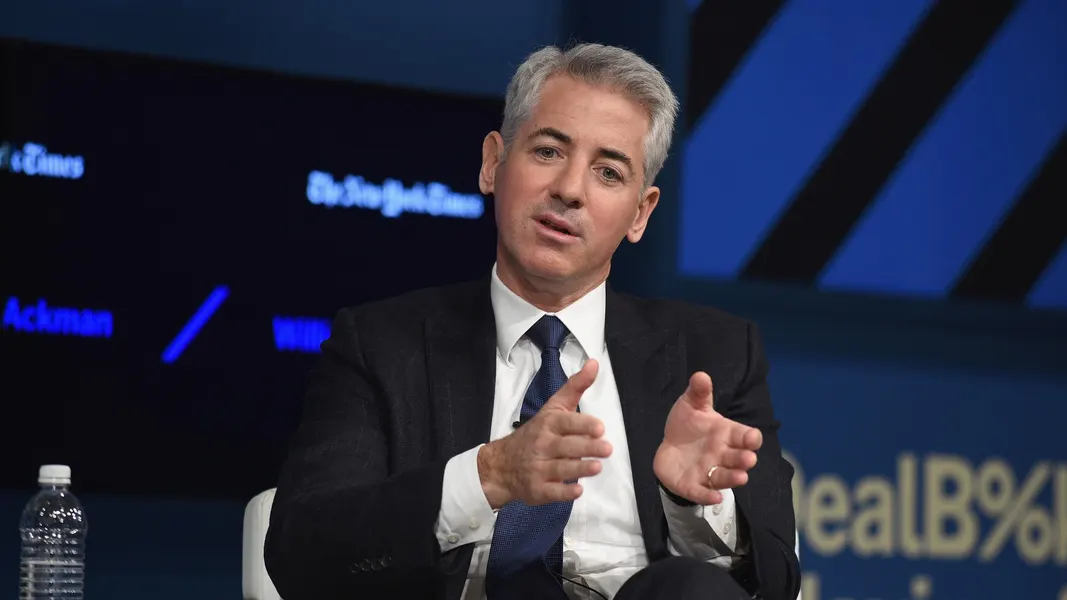
The high-profile Universal Music takeover bid has been firmly turned down, as the entertainment powerhouse behind stars like Taylor Swift, Sabrina Carpenter, and Kendrick Lamar rejected an offer from billionaire Bill Ackman’s investment firm. The decision sets up a notable clash between the world’s largest music company and one of Wall Street’s most prominent activist investors.
The Rejection
Universal Music Group announced that it had rejected the takeover offer from Pershing Square, valued at $64.3 billion. The company stated bluntly that the bid was not in the best interests of the company, its shareholders, artists, fans, and other stakeholders.
Central to the rejection was a question of value. Universal argued that the offer fundamentally and materially undervalues the business, a company whose reach extends well beyond its biggest pop names. Its portfolio includes the famed Abbey Road Studios and labels such as EMI and Island Records, cementing its status as a cornerstone of the global music industry.
Pershing Square, which already holds a stake in Universal, declined to comment on the rejection.
Inside Ackman’s Bid
The investment firm launched its takeover attempt in April, targeting the world’s largest music company. The proposed deal carried a significant structural component: it would have seen Universal listed as a new company in the United States. At present, the company trades on the Euronext Amsterdam stock exchange.
When he made the bid, Ackman pledged to turn around Universal’s share price, which he claimed had languished due to financial issues unrelated to the actual performance of its music business. In other words, he framed the company as fundamentally strong but held back by external factors.
Ackman pointed to specific obstacles he believed were weighing on the company:
- An 18 percent stake in Universal held by the Bolloré Group, the family conglomerate of billionaire Vincent Bolloré
- A recent decision to delay listing the company’s shares on the New York Stock Exchange
Opposition From a Major Stakeholder
Ackman’s diagnosis did not go unchallenged. Cyrille Bolloré, chief executive of the Bolloré Group, opposed the offer, echoing Universal’s own position by arguing that it undervalued the company. Given the group’s sizable stake, that opposition represented a meaningful hurdle for any takeover effort.
Universal Stands by Its Strategy
In rejecting the bid, Universal’s board expressed full confidence in the company’s direction under chief executive and chairman Sir Lucian Grainge. Rather than viewing the offer as a needed rescue, the board signaled that it believes the company is on the right path on its own.
To address concerns about how the business is valued, Universal also made a notable promise. The board pledged to provide enhanced financial disclosures going forward, so that the company’s value could be better assessed and understood. This appeared aimed directly at the perception that the market has not fully appreciated the company’s worth.
Grainge struck a forward-looking tone, saying the company remained committed to leading the global music industry through innovation, continuing to sign top stars, and deepening its engagement with fans. He added that as the company executes its strategy and works to deliver maximum long-term value, it looks forward to giving shareholders greater insight into what drives its performance and where the business is headed.
The Broader Industry Backdrop
The takeover battle unfolds against a music industry in transformation. Global music revenues have been growing year over year, buoyed by streaming subscriptions that provided a crucial lifeline to an industry once battered by piracy and financial decline.
Yet the picture is not entirely smooth. Several challenges continue to shape the landscape:
- A heated debate over how much streaming platforms pay out in royalties to artists and rights holders
- A growing problem of deepfakes, in which fraudsters use artificial intelligence to impersonate artists and flood platforms with fake songs
These issues highlight the complex environment in which Universal operates, one where strong revenue growth coexists with thorny questions about fairness and the disruptive potential of new technology.
The Bottom Line
The rejection of the Universal Music takeover bid leaves the company firmly in control of its own future, at least for now. By dismissing Ackman’s $64.3 billion offer as a significant undervaluation and reaffirming confidence in Grainge’s leadership, Universal has signaled that it intends to chart its own course rather than be reshaped by an activist investor.
With Pershing Square already holding a stake and the Bolloré Group weighing in against the deal, the dynamics among Universal’s major players will be worth watching. As the music industry navigates streaming economics, royalty disputes, and the rise of AI-driven fakes, Universal’s bet on its existing strategy, paired with a promise of greater transparency, will face the ultimate test in whether it can deliver the long-term value both the board and its would-be acquirer claim to want.
Author