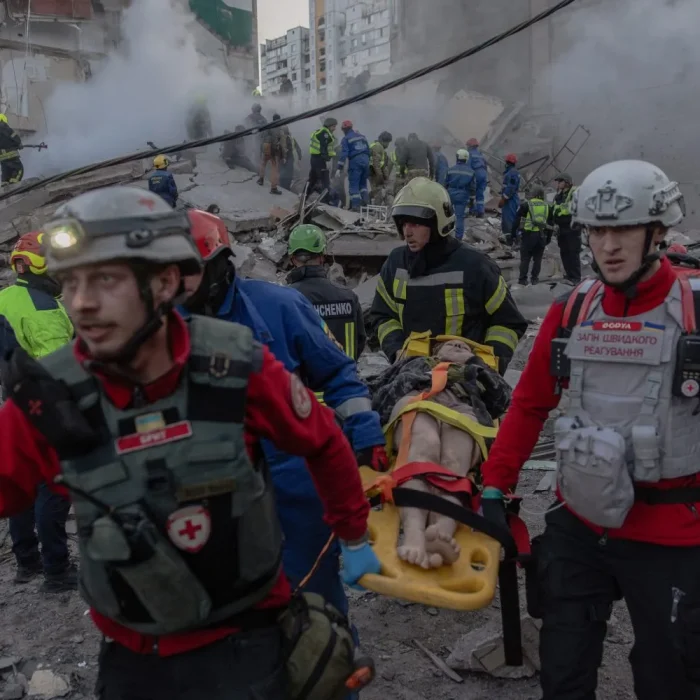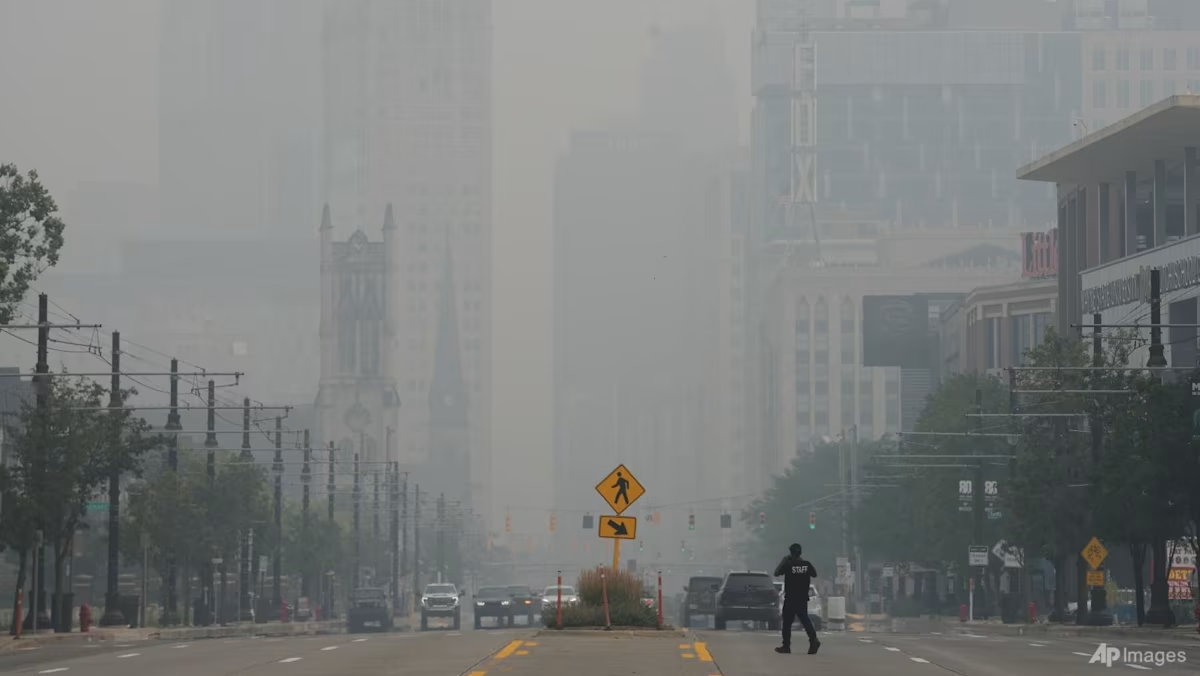
Dangerous wildfire smoke air quality conditions blanketed enormous stretches of the Midwest and Northeast this week, pushing pollution to levels that made simply breathing outdoors a health risk for millions of Americans.
The source is twofold. Hundreds of fires are burning across Canada, most of them out of control, while a separate cluster of blazes tears through northern Minnesota. Prevailing winds have carried the resulting plume southeast across the border and deep into the United States.
Where the Air Was Worst
By Saturday morning, New York City and Washington, D.C., had climbed into the ranks of the world’s most polluted major cities. A day earlier, Detroit and Chicago held similar unwanted distinctions.
Air quality alerts stretched from Minnesota clear to the East Coast.
Minnesota officials extended an alert through the weekend covering much of the state. The northeastern corner absorbed the heaviest smoke, with readings reaching hazardous — the tier at which the air is considered unsafe for everyone, not merely vulnerable groups.
Michigan spent Friday entirely under an air quality alert before cleaner air arrived. Wisconsin issued warnings of its own. Chicago got a temporary reprieve, but forecasters expected smoke to return late Saturday into Sunday.
Color Codes and What They Meant
Washington sat under a Code Purple alert on Saturday, a designation meaning the air had become very unhealthy for the entire population. The city advised healthy adults to skip long or strenuous outdoor activity, and told older residents, children, and anyone with heart or lung conditions to avoid outdoor exertion altogether.
Pennsylvania fared slightly better. The state’s Department of Environmental Protection downgraded to Code Orange for Saturday after a Code Purple the previous day.
Massachusetts issued alerts as well. As the plume settled over Boston earlier in the week, the sky shifted from milky white to a brownish yellow. One West Roxbury resident described the sensation as being at a campsite with a fire actively burning.
That same yellow haze spread across Vermont, New Hampshire and Maine.
Relief Arrives Violently
The Northeast’s escape came packaged with its own hazards.
A cold front pushed through the region Saturday afternoon, thinning the smoke — but delivering storms carrying high winds, large hail, isolated tornadoes and flash flooding along the way.
The Midwest was not so lucky. Hazardous smoke was forecast to linger across parts of the region into Sunday.
The World Cup Question
Tens of thousands of fans heading to New Jersey for Sunday’s World Cup final between Spain and Argentina stood to benefit from the clearing air.
Organizers said Friday they were watching the situation closely. Andrew Giuliani, executive director of the White House World Cup task force, noted at a briefing that a National Weather Service representative is stationed inside FIFA headquarters specifically to track conditions.
What Smoke Actually Does to the Body
Fine particulate matter is the core danger. These particles are small enough to bypass the body’s normal filtration and lodge deep in lung tissue.
Short-term effects include:
- Shortness of breath
- Persistent coughing
- Dizziness and fatigue
- Worsening of existing heart and lung disease
Tyler Hasenstein, a National Weather Service meteorologist in Chanhassen, Minnesota, pointed out that the smoke arrived alongside extreme heat. He described the combination as poor from a health standpoint — two stressors landing at once on the same population.
Dr. Alexander Azan of NYU Langone Health emphasized the longer arc of the problem, explaining that repeated exposure at these levels raises the risk of developing chronic conditions later in life.
The scale is not trivial. A study released earlier this year connected chronic wildfire smoke exposure to tens of thousands of American deaths each year. Long-term exposure to fine particulate matter ranks among the leading contributors to premature death.
How to Protect Yourself
The practical advice from health experts is consistent:
- Stay indoors when possible and cut outdoor activity
- Wear an N95 or KN95 mask if you must be outside
- Keep windows closed
- Run an air purifier or air conditioner to clean indoor air
Azan stressed the mask point for people without a choice — outdoor workers, or anyone facing an errand that cannot wait. A properly rated mask remains the most effective individual defense available.
Why the Fires Are Burning This Way
Dan Westervelt, an associate professor at Columbia University’s Climate School, described the underlying setup as a perfect storm. Severe drought combined with heat across both Canada and the United States has produced extraordinarily dry conditions and abundant fuel.
Research indicates that warming driven by burning coal, oil and gas is making wildfires both more frequent and more intense — a trend that turns individual bad seasons into a recurring pattern.
A Train Surrounded by Fire
The danger is not abstract for those closest to the flames.
Video captured near Armstrong, Ontario, showed a freight train encircled by burning trees. The crew was stuck in place, unable to move until another train cleared the line, watching the fire close in around them. One crew member can be heard saying the fire could potentially overtake them and calling the situation scary.
Canadian National Railway later suspended operations in the area and confirmed everyone aboard made it out safely.
Smoke Becomes a Diplomatic Issue
On Friday, President Trump threatened new tariffs against Canada over the smoke, blaming the country for failing to control the fires.
Canadian Prime Minister Mark Carney’s office directed questions to a statement from Emergency Management Minister Eleanor Olszewski, who said Canada is working urgently alongside provincial and territorial partners. She also noted that the country has invested billions in forest fire prevention in recent years.
Looking Ahead
Forecast maps show improvement across most of the Northeast heading into Sunday, while hazardous concentrations persist over portions of the Midwest.
The broader picture is less reassuring. With hundreds of Canadian fires still burning largely uncontrolled and drought conditions unchanged, the smoke that cleared this weekend has every reason to come back.
Author