A worsening Irkutsk gasoline shortage has prompted authorities in Siberia to fine scalpers and declare a state of “high alert,” as Russia grapples with mounting fuel supply problems. The crackdown reflects growing pressure across the country, where prices are climbing and rationing measures are spreading.
Police Target Price Gougers
On Monday, law enforcement in Siberia’s Irkutsk region announced that four people had been fined for reselling gasoline at inflated prices. The action followed an order from the local governor to clamp down on price gouging as the region struggles with fuel shortages.
The cases revealed different methods of profiteering. According to Irkutsk regional police, one individual was caught attempting to sell gasoline near a filling station. The other three were operating online, charging as much as 250 rubles per liter, the equivalent of roughly $12.15 per gallon, a steep markup that highlights just how strained the local fuel market has become.
Rising Prices Across Russia
The trouble in Irkutsk is part of a broader national trend. Gasoline prices across Russia have been steadily climbing throughout the year.
The numbers paint a clear picture of the pressure on consumers:
- The average price of gasoline in Russia has risen 9.8% since the start of the year
- A single-week surge pushed the national average to 71.20 rubles per liter, about $3.47 per gallon, as of June 22
- In Irkutsk specifically, the average price hovered just below 71 rubles per liter, according to state statistics
These figures underscore how the supply problems are translating directly into higher costs at the pump for ordinary Russians.
A State of “High Alert”
The situation in Irkutsk grew serious enough to prompt official emergency action. On Sunday, regional Governor Igor Kobzev declared a state of “high alert,” citing insufficient fuel shipments to the area.
Kobzev framed the move as a preventive step, describing it as a vital measure to head off a crisis before it could fully take hold. The declaration signaled that authorities viewed the shortage as a pressing threat rather than a passing inconvenience.
With the high alert in place, police issued warnings to the public about how fuel should be obtained. Drivers caught hoarding fuel in canisters, rather than filling their vehicles directly at gas stations, could face steep penalties. The regional branch of the Interior Ministry made clear that efforts to crack down on illegal operations would continue.
A Nationwide Squeeze
The disruptions extend well beyond a single region. In recent weeks, dozens of Russian regions and annexed Ukrainian territories have gradually introduced fuel rationing measures at gas stations.
The timing could hardly be worse. The shortages have arrived during a critical period, with both peak summer travel and the agricultural season in full swing, placing heavy demand on fuel supplies precisely when they are hardest to come by.
The Root of the Problem
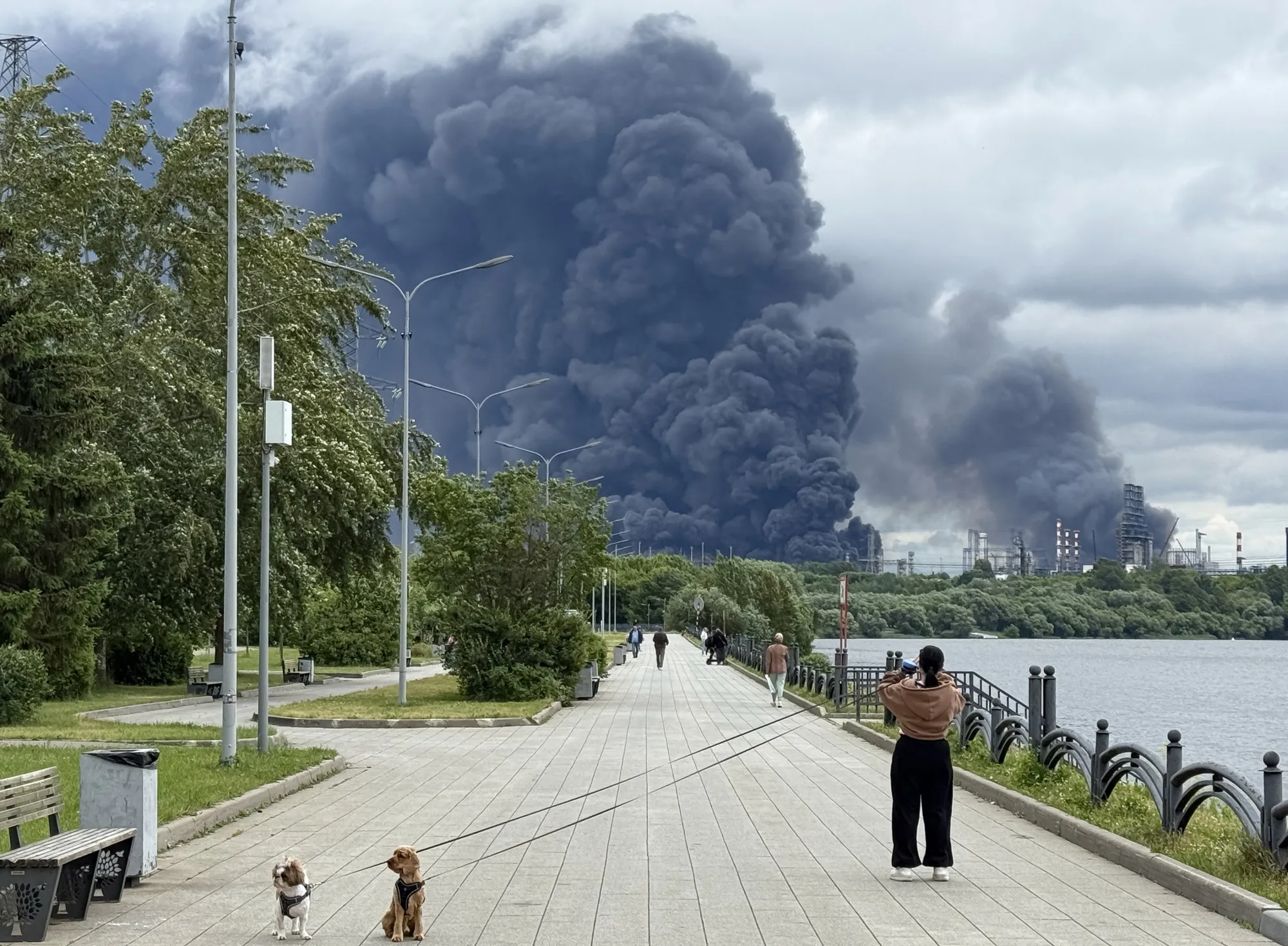
The fuel crisis has roots in the broader conflict involving Russia. Over the weekend, President Vladimir Putin acknowledged that the country is facing what he called a “certain shortage” of fuel.
He attributed the problem to a wave of repeated Ukrainian strikes targeting oil refineries and domestic supply lines. Those attacks have evidently taken a toll on Russia’s ability to keep fuel flowing, contributing to the shortages now rippling across multiple regions.
Looking Ahead
The combination of rising prices, spreading rationing, and emergency declarations suggests Russia’s fuel troubles may not ease quickly. For regions like Irkutsk, the immediate response has focused on enforcement, targeting those seeking to exploit the shortage for profit.
Yet enforcement alone doesn’t address the underlying supply problem. With refinery strikes continuing and demand peaking during the summer months, the pressure on Russia’s fuel system appears likely to persist. For now, residents face higher costs, tighter supplies, and the prospect of continued disruring as authorities work to manage a crisis that shows little sign of resolving on its own.
Author