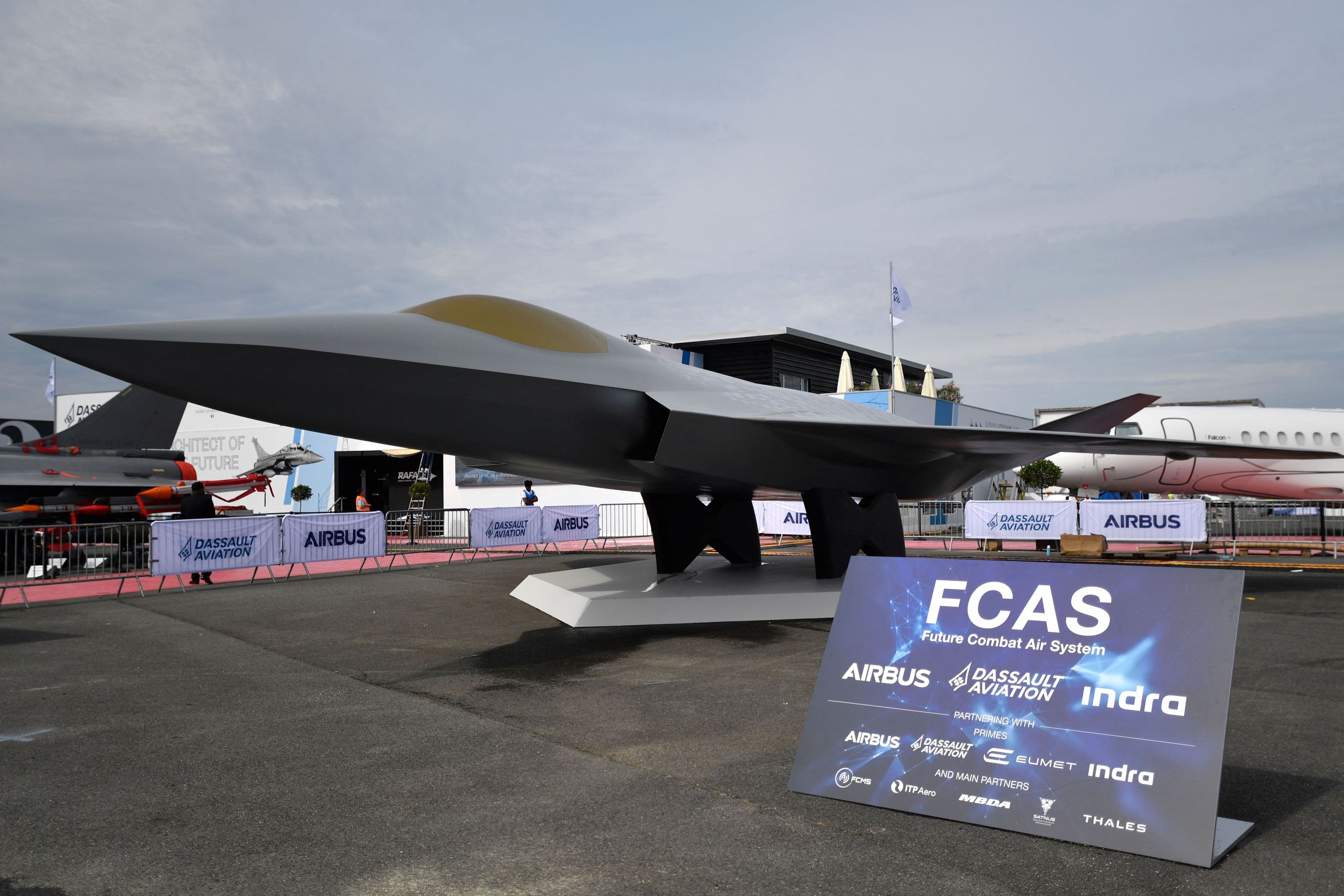
Germany’s search for a next-generation fighter jet has been thrown wide open following the collapse of the Future Combat Air System, the once-ambitious joint program with France and Spain. With that effort now dead, Berlin must decide how to equip its air force for the decades ahead, and one of the leading possibilities is simply buying more American-made F-35s.
A Sudden Return to the Drawing Board
The end of FCAS landed in Berlin like a bombshell. The program, long seen as the centerpiece of European fighter ambitions, had been quietly faltering for months, but its formal demise still forced German defense leaders to confront a difficult question: what comes next?
Speaking on the sidelines of a meeting with his Czech counterpart, Jaromír Zůna, Defense Minister Boris Pistorius laid out three clear paths forward. He also hinted at a fourth option, which he declined to explain, leaving observers to speculate about what Berlin might have in mind.
Option One: More F-35s From the United States
The most immediate possibility is expanding Germany’s existing fleet of F-35 stealth jets. Berlin has already ordered 35 of the American aircraft, and adding more could serve as a stopgap while a longer-term solution takes shape.
This idea is not new. Reports last October indicated that Germany was already considering buying 15 additional F-35s at a cost of nearly $3 billion. Pistorius confirmed those plans are back on the table, describing them as a possible “bridge” toward a future weapons system. His phrasing, “or whatever,” suggested the F-35 purchase is more about buying time than committing to a final vision.
Option Two: Joining an Existing International Program
The second route would see Germany join an international effort already developing a sixth-generation fighter.
Beyond a push from the United States, the most obvious candidate here is the Global Combat Air Programme, a partnership between Britain, Italy, and Japan. Signing on to an established project could give Germany access to advanced capabilities without starting from scratch, though it would also mean entering a program whose direction has already been shaped by others.
Option Three: A German-Led Program With Airbus
The third option is the most independent: launching a homegrown effort under German leadership, with Airbus and other partners at the core.
Pistorius revealed that defense officials had been in talks with Airbus for months about what such a program might look like. That groundwork reflects how clearly Berlin saw the writing on the wall, since the failure of FCAS had been widely anticipated. An Airbus-led alliance has also been lobbying the German government to back exactly this kind of national project.
Why FCAS Fell Apart
The breakdown of the trilateral program came down to disputes that proved impossible to resolve.
Pistorius pointed to two main causes:
- Bitter disagreements with French industrial leader Dassault over intellectual property rights.
- Diverging military requirements among the partner nations.
Despite strong political will in both Paris and Berlin, government leaders could not force the rival companies to cooperate. The friction between Airbus and Dassault, which had simmered for years, ultimately overwhelmed the project.
Lessons From a Failed Partnership
For Pistorius, the episode carries a clear warning about how not to structure such ambitious ventures. Reflecting on the collapse, he said that with the benefit of hindsight, Germany would never have set up the program the way it did.
That admission underscores the challenge ahead. Building a cutting-edge fighter is as much about managing partnerships, industrial rivalries, and competing national interests as it is about engineering. Whichever path Germany chooses, whether buying American jets, joining forces with allies, or going it alone with Airbus, the lessons of FCAS are likely to shape its decision.
For now, the only certainty is that Berlin’s quest for a next-generation fighter jet is starting over, and the choices it makes in the coming months will define the future of German air power for a generation.
Author