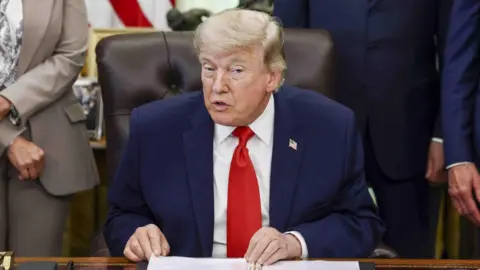
The Trump Iran deal terms are beginning to take shape, and according to diplomats and U.S. officials briefed on the talks, the proposed agreement could reopen one of the world’s most critical waterways, ease sanctions on Tehran, and lay the groundwork for fresh nuclear negotiations. President Donald Trump says the memorandum of understanding is ready to sign, possibly within days.
Why This Agreement Matters
At its core, the memorandum of understanding would extend the fragile ceasefire by 60 days, including in Lebanon, buying time for deeper nuclear talks to unfold. The text reportedly includes a framework for dealing with Iran’s stockpile of enriched uranium, though any concrete action on the nuclear front would hinge on a second, far more detailed accord still to be negotiated.
In short, this first deal is meant to pause hostilities and open the door, not settle everything at once.
Where Things Stand Right Now
A diplomat from one of the mediating countries, who walked through the latest version of the text, said the United States and Iran have agreed on the wording of the deal. Even so, the agreement still awaits final sign-off.
As of Thursday evening, Iranian officials had approved the deal at high levels, but it had likely not yet reached Supreme Leader Mojtaba Khamenei. Trump, for his part, said he expected a signing ceremony over the weekend. A spokesperson for Iran’s foreign ministry was more cautious, noting that Tehran had not yet made a final decision.
There is reason for skepticism. The White House has believed a deal was within reach several times over the past two months, only to watch talks collapse. Still, the diplomat involved expressed cautious optimism that this version of the text would hold.
Signs of Movement Behind the Scenes
There are signals that preparations are already underway. Four U.S. Air Force C-17 planes departed for Europe on Thursday, carrying equipment for a possible trip by Vice President Vance to a signing ceremony in Geneva.
The breakthrough reportedly came late Wednesday night, after hours of intense negotiations between Qatari mediator Ali Al-Thawadi and Iranian Foreign Minister Abbas Araghchi in Tehran. During those talks, Al-Thawadi spoke by phone several times with Trump’s envoys, Steve Witkoff and Jared Kushner.
Notably, Trump’s announcement reportedly caught Israeli Prime Minister Benjamin Netanyahu off guard. In the days leading up to it, Netanyahu was said to be largely in the dark, reaching out to allies close to the Trump administration in an effort to find out what was happening.
The Nuclear Question
Under the memorandum, Iran would make several commitments regarding its nuclear program. The most important is a pledge never to acquire a nuclear weapon, along with a promise to resolve the standoff over its enriched uranium.
According to a senior U.S. official, Trump agreed that one possible solution could involve down-blending Iran’s highly enriched uranium inside the country, under the watch of UN inspectors. However, none of these steps would actually take place unless a second deal is reached, an outcome that remains uncertain given how difficult even the less technical negotiations over this initial memorandum have been.
The diplomat insisted the memorandum addresses all the major nuclear issues and satisfies every U.S. requirement.
Reopening the Strait of Hormuz
One of the most significant provisions deals with the Strait of Hormuz, a vital channel for global oil shipments. The memorandum calls for the strait to reopen immediately and without tolls, with a return to pre-war shipping volumes expected within 30 days. In exchange, the U.S. would lift its naval blockade.
Officials have previously indicated that once the strait reopens, Iran would receive temporary sanctions waivers allowing it to sell oil for 60 days, generating much-needed revenue for Tehran. That relief would expand if Iran honors the initial agreement and demonstrates good faith in later talks.
Importantly, the timing is not fixed. As the diplomat explained, there is no set date for sanctions relief, and it will be tied directly to how the deal is implemented.
The Frozen Funds Dilemma
One murky area involves the billions of Iranian dollars frozen overseas. It remains unclear whether the text spells out what will happen to that money.
Iran has pushed for some funds to be released immediately upon signing, while the U.S. prefers a staggered approach tied to compliance. A source outside the administration raised concerns that the matter might be handled through a secret side agreement, though a U.S. official denied that to reporters.
In recent days, the U.S., Iran, and Qatar reportedly discussed a mechanism allowing Iran limited access to some of its frozen funds held in Qatar, specifically for purchasing humanitarian goods.
What Comes Next
The agreement, jointly mediated by Qatar and Pakistan, would be known as the Islamabad agreement, assuming both sides ultimately sign. For now, negotiators say they are putting the final touches on the text and working to set a date for the signing ceremony.
Whether this latest effort succeeds where others have failed remains to be seen. But for the first time in months, the people closest to the talks sound genuinely hopeful that a deal is within reach.
Author