Flesh-Eating Screwworm Spreads Across Texas as Cases Climb to 12
New World screwworm infestations are climbing in the United States, and the latest count has reached 12 confirmed cases, according to the U.S. Department of Agriculture. As the flesh-eating parasite continues to spread, state and federal officials are racing to contain an outbreak that has put Texas’s powerful livestock industry on high alert.
Where the Cases Stand
Of the dozen confirmed infestations, eleven have been found in Texas, with a single case reported in New Mexico. The geographic spread is what worries experts most.
The most recent Texas detection involved a sheep in Sutton County, located roughly 135 miles northwest of San Antonio. That location is significant because it suggests the parasite is no longer confined to South Texas and may be pushing into new regions of the state. Each new case reinforces fears that the outbreak could widen if containment efforts fall short.
A Threat Once Thought Defeated
For many Americans, the screwworm is an unfamiliar menace, and for good reason. The parasite was successfully wiped out in the United States back in the 1960s, becoming a rare public-health success story.
That victory held for decades until this month, when the pest resurfaced in Texas. Its return is the result of a slow northward march through Mexico, having originally traveled up from Central America. Now, the threat that was eliminated more than half a century ago is once again a real concern for American ranchers.
What Makes the Screwworm So Dangerous
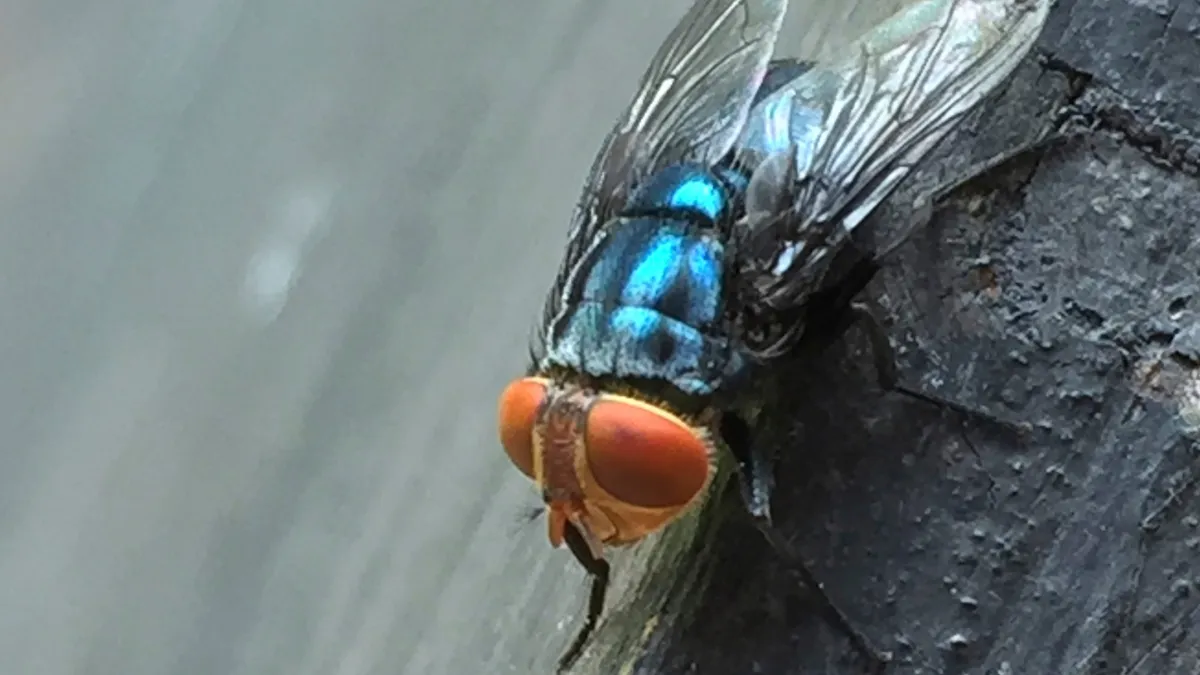
The New World screwworm is the larval form of a parasitic fly, and its biology is what makes it especially alarming. The pest targets warm-blooded animals of all kinds, including cattle, sheep, goats, wildlife, household pets, and on rare occasions, humans.
What sets this parasite apart from typical fly larvae is its feeding behavior. While most maggots consume dead or decaying tissue, screwworm larvae feed on living flesh. This is precisely what makes infestations so destructive.
The life cycle unfolds in a particularly harmful way:
- Adult flies lay their eggs in open wounds or in the natural body openings of animals.
- Once the eggs hatch, the larvae burrow directly into healthy tissue.
- As they feed, they create painful, expanding wounds.
- If left untreated, these wounds can grow severe and may even become fatal.
This relentless cycle means an untreated infestation can quickly turn deadly for an affected animal.
Why Texas Is on Edge
The outbreak carries especially heavy implications for Texas, the nation’s top cattle-producing state. With so much of the state’s economy tied to livestock, agricultural leaders have sounded the alarm about the potential fallout.
A widespread infestation could deliver serious economic damage, threatening both ranchers’ livelihoods and the broader supply chain. Beyond the financial stakes, wildlife populations across the region also face real danger from the parasite’s spread.
How Officials Are Fighting Back
State and federal agencies have launched a multi-pronged response to slow the parasite’s advance. Their strategy combines monitoring, laboratory testing, and a clever biological countermeasure.
One of the most important tools is the release of millions of sterile male screwworm flies. The science behind it is straightforward but effective. Female screwworm flies typically mate only once in their lifetime. When a female pairs with a sterile male, no offspring result, which gradually suppresses the population over time. This technique was central to eradicating the pest decades ago and is being deployed again today.
A Statewide Emergency Response
The seriousness of the situation prompted decisive action from state leadership. Gov. Greg Abbott issued a disaster declaration that covers all 254 counties in Texas, signaling that no part of the state is being overlooked as officials work to stamp out the threat.
That blanket declaration gives authorities greater flexibility and resources to coordinate containment, surveillance, and treatment efforts across the entire state.
What Livestock Owners Should Do
Animal owners play a frontline role in stopping the outbreak, and officials are urging them to stay vigilant. The recommendations are clear and direct:
- Inspect animals regularly for any signs of wounds or infestation.
- Report any suspected cases immediately to a veterinarian or animal health authority.
- Treat early detection as the single most effective defense against further spread.
Catching an infestation early can make the difference between a contained case and a wider outbreak, which is why authorities are stressing constant monitoring.
Reassurance for Consumers
Amid the alarming headlines, officials are also working to calm public worry about food safety. They emphasize that properly handled meat remains completely safe to eat.
Importantly, the screwworm does not spread through meat products, so consumers have no reason to fear contamination from the food supply. The risk is centered on living animals, not on the meat that reaches grocery stores and dinner tables.
Looking Ahead
The reappearance of New World screwworm infestations marks a sobering reminder that eradicated threats can return when conditions allow. With cases steadily rising and the parasite edging into new territory, the coming weeks will test the effectiveness of the coordinated response now underway.
For now, the combination of sterile-fly releases, statewide emergency measures, and watchful livestock owners represents the best hope for halting the spread. Early action, careful monitoring, and rapid reporting will be essential to ensuring this decades-old enemy does not regain a permanent foothold in Texas and beyond.
Author