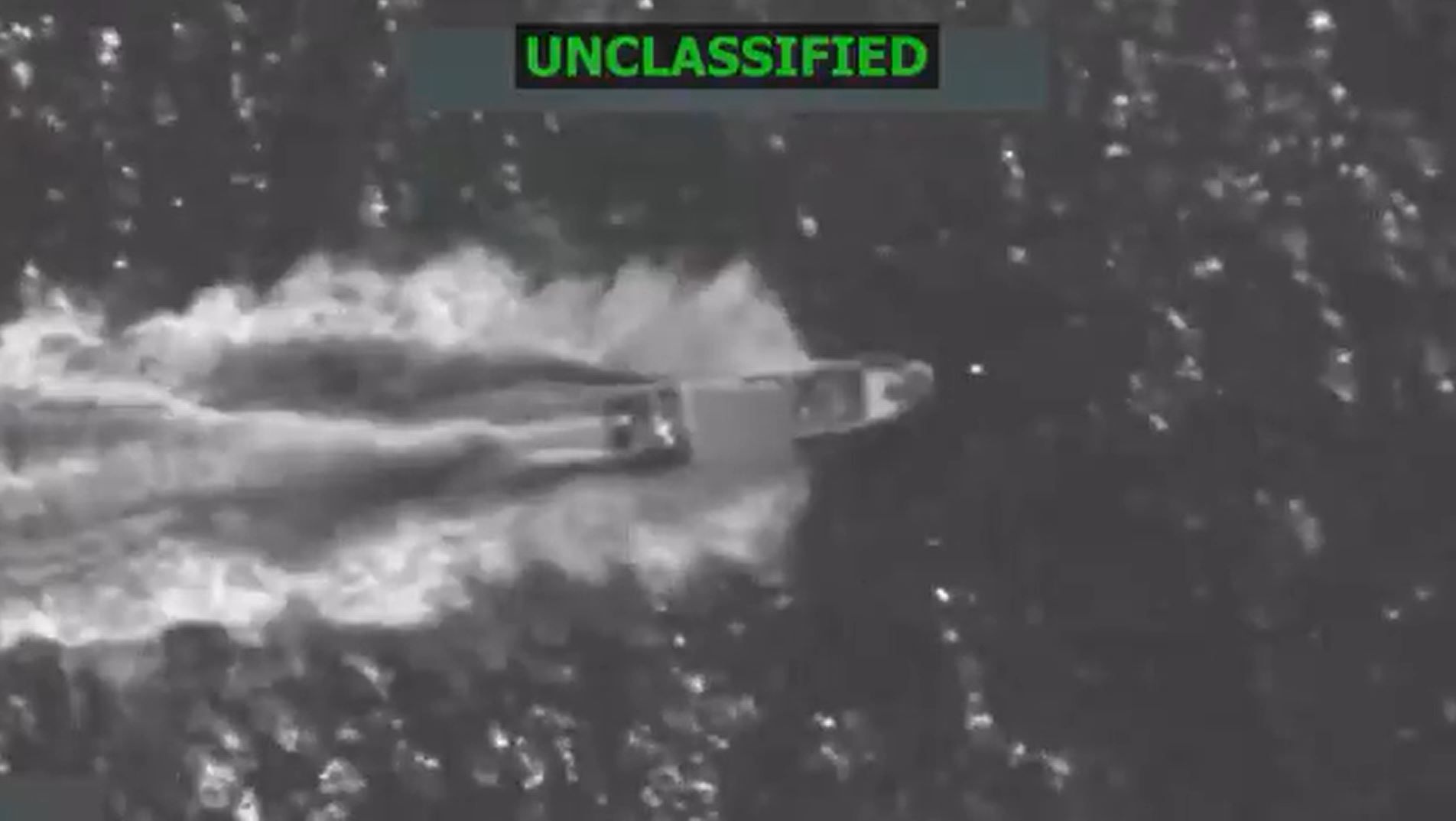
A US strike on an alleged drug boat has once again drawn attention to the Trump administration’s contentious military campaign against suspected traffickers in Latin America. The latest attack, carried out Thursday in the eastern Pacific Ocean, killed two people immediately and left six survivors, adding to a growing toll that has raised serious legal and ethical questions.
The operation is part of an ongoing effort that has now stretched across dozens of strikes. As the death count climbs, critics and lawmakers alike are intensifying their scrutiny of both the legality and the effectiveness of the campaign.
A Growing Death Toll
The numbers behind the campaign are striking. With this latest attack, the total number of strikes has surpassed 60, and the number of people killed in such boat strikes has climbed to more than 210 since the administration began targeting those it labels “narcoterrorists” in early September.
The fate of the six survivors from Thursday’s strike remains uncertain. It is unclear whether they were rescued. In this case, as well as in a June 16 strike that left two survivors, U.S. Central Command said it had notified the U.S. Coast Guard. The Coast Guard later reported that it suspended its search for survivors from the June 16 strike a day afterward, citing no signs of survivors or debris, but offered no comment on the most recent attack.
How the Strikes Are Carried Out
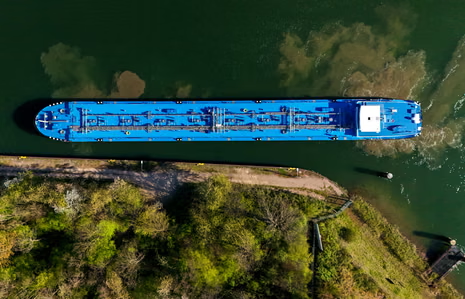
The military’s account of the operation followed a familiar pattern. U.S. Southern Command said it had targeted alleged drug traffickers along known smuggling routes. However, as with most such statements, the military did not provide evidence that the vessel was actually carrying drugs.
A black-and-white video posted on X depicted the strike in stark terms, showing a boat speeding across the water before being hit by a visible projectile and erupting into flames. The footage offered a vivid glimpse of the force being used, even as questions about justification persist.
The Administration’s Justification
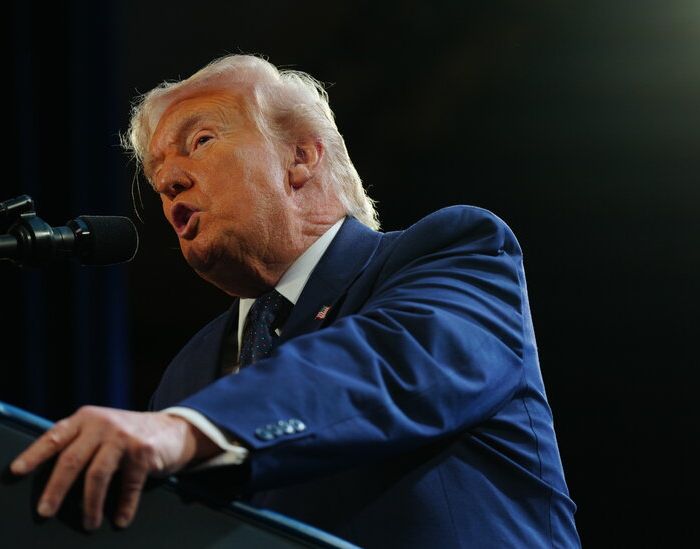
President Donald Trump has framed the campaign in dramatic terms, declaring that the United States is in an “armed conflict” with cartels in Latin America. He has defended the strikes as a necessary escalation aimed at curbing the flow of drugs into the country and reducing the fatal overdoses claiming American lives.
Yet the administration has offered little concrete evidence to support its claims of killing “narcoterrorists.” This gap between assertion and proof has become a central point of contention as the strikes continue.
Critics Raise Serious Doubts
Opposition to the campaign has grown on multiple fronts. Critics have challenged not only the legality of the strikes but also their actual effectiveness in addressing the drug crisis.
A key part of the argument centers on the nature of drug trafficking itself. Much of the fentanyl responsible for fatal overdoses in the United States is typically trafficked over land from Mexico, where it is produced using chemicals imported from China and India. This reality has led skeptics to question whether targeting boats in the Pacific and Caribbean meaningfully disrupts the supply chain at all.
A Disturbing Follow-Up Strike
One of the most troubling controversies involves an earlier operation. On Thursday, U.S. lawmakers demanded that the Pentagon release “unedited video” of the very first strike the military conducted, following reports that the U.S. carried out a follow-up strike on survivors of its initial attack.
According to those reports, two men survived the initial attack that killed nine others and were clinging to the wreckage when the vessel was struck a second time, killing them. The White House confirmed the follow-up strike, insisting it was carried out “in self-defense” to ensure the boat was destroyed and in accordance with the laws of armed conflict.
Legal scholars, however, have sharply disputed that characterization. Some have argued that a second strike killing survivors would have been illegal under any circumstances, whether or not an armed conflict existed. This distinction strikes at the heart of the debate over how the campaign is being conducted.
Questions of Oversight
The mounting concerns have prompted some internal review, though its scope remains limited. The Pentagon’s watchdog announced in May that it planned to examine whether the U.S. military followed an established targeting framework when carrying out the strikes.
Importantly, that evaluation is focused specifically on what is known as the six-phase Joint Targeting Cycle rather than on the broader legality of the strikes themselves, according to the inspector general’s office. This narrow focus means that fundamental legal questions may remain unresolved even after the review concludes.
What’s at Stake
The controversy surrounding these operations touches on several weighty issues:
- Whether the strikes comply with domestic and international law.
- Whether targeting maritime vessels effectively addresses the drug crisis.
- How survivors of such strikes are treated and whether rescue efforts are adequate.
- The transparency of the military regarding evidence and unedited footage.
Looking Ahead
As the campaign continues, several developments will be worth monitoring closely:
- The outcome of the Pentagon inspector general’s evaluation.
- Whether lawmakers succeed in obtaining the unedited video they have demanded.
- How legal challenges to the strikes unfold.
- Whether the administration provides additional evidence to support its claims.
The Bigger Picture
The latest US strike on an alleged drug boat underscores the deepening tension between the administration’s aggressive approach and the growing chorus of critics questioning its foundation. With more than 210 people killed and little public evidence offered to justify the operations, the campaign sits at the intersection of national security, legal accountability, and human rights concerns.
For now, the strikes continue along contested smuggling routes, even as the debate over their legality and effectiveness intensifies. This remains a developing story, and further updates are likely as oversight efforts proceed and lawmakers press for greater transparency.
This article touches on a sensitive topic involving loss of life and ongoing legal disputes. Readers seeking to understand the full context are encouraged to follow continued reporting as more information becomes available.
Author