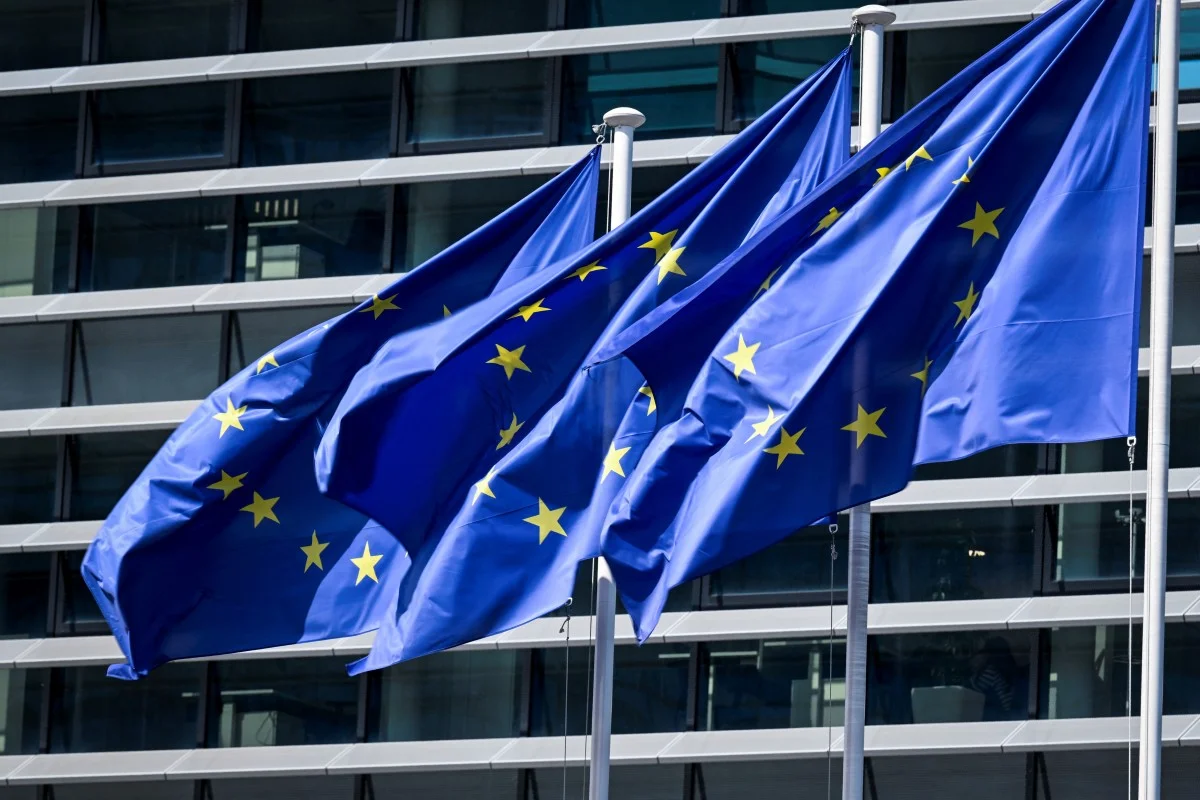
The EU Taliban meeting planned for Brussels has ignited fierce criticism, with rights campaigners and members of the European Parliament warning that hosting the regime risks normalising a government accused of erasing women from public life. The controversy strikes at the heart of European values, pitting migration policy against human rights principles.
Critics argue that by sitting down with the Taliban, the EU is undermining its own credibility and lending legitimacy to a regime whose leaders face accusations of crimes against humanity.
The Meeting at the Center of the Storm
The Belgian foreign ministry confirmed on Monday that it had issued five single-day visas to a Taliban delegation to attend a meeting in Brussels. Sources indicated the gathering was expected to take place on Tuesday.
The timing is notable. The meeting comes just weeks after the European Commission confirmed it has been in talks with the Taliban since January, with discussions focused on how to scale up the deportation of Afghan migrants.
A Glaring Double Standard
For many critics, the willingness of EU officials to engage with the Taliban clashes sharply with the parliament’s own stated positions.
The Taliban’s record is severe. The regime has banned girls from school beyond the sixth grade and, in 2024, barred women from speaking or showing their faces outside their homes. Yet MEPs have repeatedly passed resolutions condemning the regime, creating what critics see as a stark contradiction.
Socialist MEP Juan Fernando López Aguilar did not mince words, calling the situation an outrage and a total loss of faith in the European Union’s credibility for holding such a double standard. He said he was appalled that the EU could operate this way.
Leaders Accused of Crimes Against Humanity
Adding to the gravity of the situation, the Taliban’s ranks include figures wanted for serious international crimes.
Two senior Taliban leaders are subject to arrest warrants issued by the International Criminal Court, which has accused them of crimes against humanity for the persecution of women and girls. The EU itself has imposed sanctions on several individuals associated with the regime, deepening the apparent inconsistency of now hosting its representatives.
The Migration Rationale
EU officials have defended the engagement as a practical necessity. In May, a European Commission spokesperson said the meeting had been coordinated with Sweden after 20 member states called for concrete pathways to deport Afghans without legal residence permits or those deemed a security risk.
The talks, the spokesperson explained, would focus on returning individuals who pose a security threat to the EU.
López Aguilar rejected this reasoning outright, accusing the EU of letting the far right and its rhetoric on immigration drive the agenda. He argued that with 450 million people across the bloc, there is no cause for panic over migrants fleeing desperation or persecution. He emphasized that migration is not a threat or even a crisis, but rather a constant feature of human history.
A Humanitarian Catastrophe at Home
The debate unfolds against the backdrop of a dire situation inside Afghanistan, which critics say makes deportations especially dangerous.
Since the Taliban returned to power in 2021, hundreds of thousands of Afghans have sought asylum in Europe, only to find their lives growing more precarious as migration attitudes harden. Conditions in Afghanistan remain catastrophic, with particular dangers for women and girls:
- About 40% of the population is affected by hunger, according to the International Rescue Committee
- Women face systematic barriers to education, employment, and healthcare
Lisa Owen, the organisation’s Afghanistan country director, warned that deporting Afghans back to a country where nearly half the population cannot feed themselves is not a migration policy but a decision that could cost lives.
A Chorus of Opposition
The concerns extend well beyond individual voices. In an open letter, 83 Afghan and international human rights groups expressed grave concerns about the EU’s intentions.
The letter described Afghanistan as currently one of the most dangerous places in the world to be a woman, warning that forced return would expose many to persecution, violence, and severe deprivation of rights.
The Danger of Normalisation
While the EU has insisted the meeting does not amount to recognition of the Taliban, some experts argue the real danger is more subtle.
Shagofah Ghafori of the Brussels-based Centre for European Policy Studies described what is happening as something more insidious: normalisation. She argued that normalisation does not require a signed treaty but happens incrementally, through granting visas, providing meeting rooms, and quietly replacing principle with transaction.
Evidence of the Risks
The fears about deportation are grounded in documented harm. A UN report published last year found that many Afghans returned to the country, mostly by Pakistan and Iran, experienced arbitrary arrest, detention, torture, and ill treatment at the hands of authorities.
Such findings suggest that deportations could violate the EU’s obligations under international law, which prohibit sending people back to face persecution or torture. Ghafori pointed to a charter flight coordinated with Qatar that left Germany in August 2024 carrying 28 Afghan citizens, noting that once a plane lands, there is no credible oversight. She said reports indicated returnees were detained and interrogated, with at least one later killed, warning that proceeding with deportations would mean doing so with full knowledge that many returnees could end up in torture cells or mass graves.
Deportations have already been underway. Germany is believed to have deported more than 100 people since August 2024, while Austria has also begun the practice.
A Slippery Slope
Beyond the immediate cases, analysts warn the engagement could open the door to far broader deportations.
Reshad Jalali, a senior policy analyst with the European Council on Refugees and Exiles, cautioned that the real risk is that once deportation is normalised and resumed between the EU and the Taliban authorities, it could create a path for the wider deportation of Afghans without any criminal convictions.
These fears are not hypothetical. An investigative report by German broadcaster ZDF alleged that deportations to Afghanistan, while prioritising those convicted of crimes, had also targeted single Afghan men who had broken no laws. Jalali urged the EU to instead work with the international community to hold the Taliban accountable, insisting the priority should be protecting Afghans and defending international law rather than legitimising one of the world’s most abusive regimes.
A Strategic Miscalculation
Some critics argue the policy is not only morally wrong but also self-defeating.
German Green MEP Hannah Neumann described the deportations as both a humanitarian failure and a strategic mistake. She warned that returning young Afghan men into poverty and hopelessness could push many toward the only structures still offering shelter and food: Taliban networks and madrassas.
In her view, every return is a potential boon to the Taliban. She explained that authoritarian systems hold power not only through violence but through dependency, social control, and enforced loyalty. By deporting people into desperation, she argued, Europe risks strengthening the very structures that keep the Taliban in power rather than weakening them.
The Bottom Line
The planned Brussels meeting has exposed a deep tension within the EU between the desire to manage migration and the commitment to uphold human rights. For critics, hosting the Taliban, even without formal recognition, represents a dangerous step toward normalising a regime defined by its persecution of women and girls.
As the debate intensifies, the controversy raises fundamental questions about what the European Union stands for. Whether the bloc prioritises migration deals or its founding principles may shape not only the fate of vulnerable Afghans but also the EU’s own moral credibility on the world stage.
Author