Starmer’s resignation and the Ukraine war are now inextricably linked, exposing an uncomfortable truth that British politics has long preferred to avoid: the country may simply not be able to afford to keep funding the conflict. As Sir Keir Starmer steps down as Labour leader and prime minister, his successor inherits a financial and political dilemma with no easy answers.
The End of a Troubled Premiership
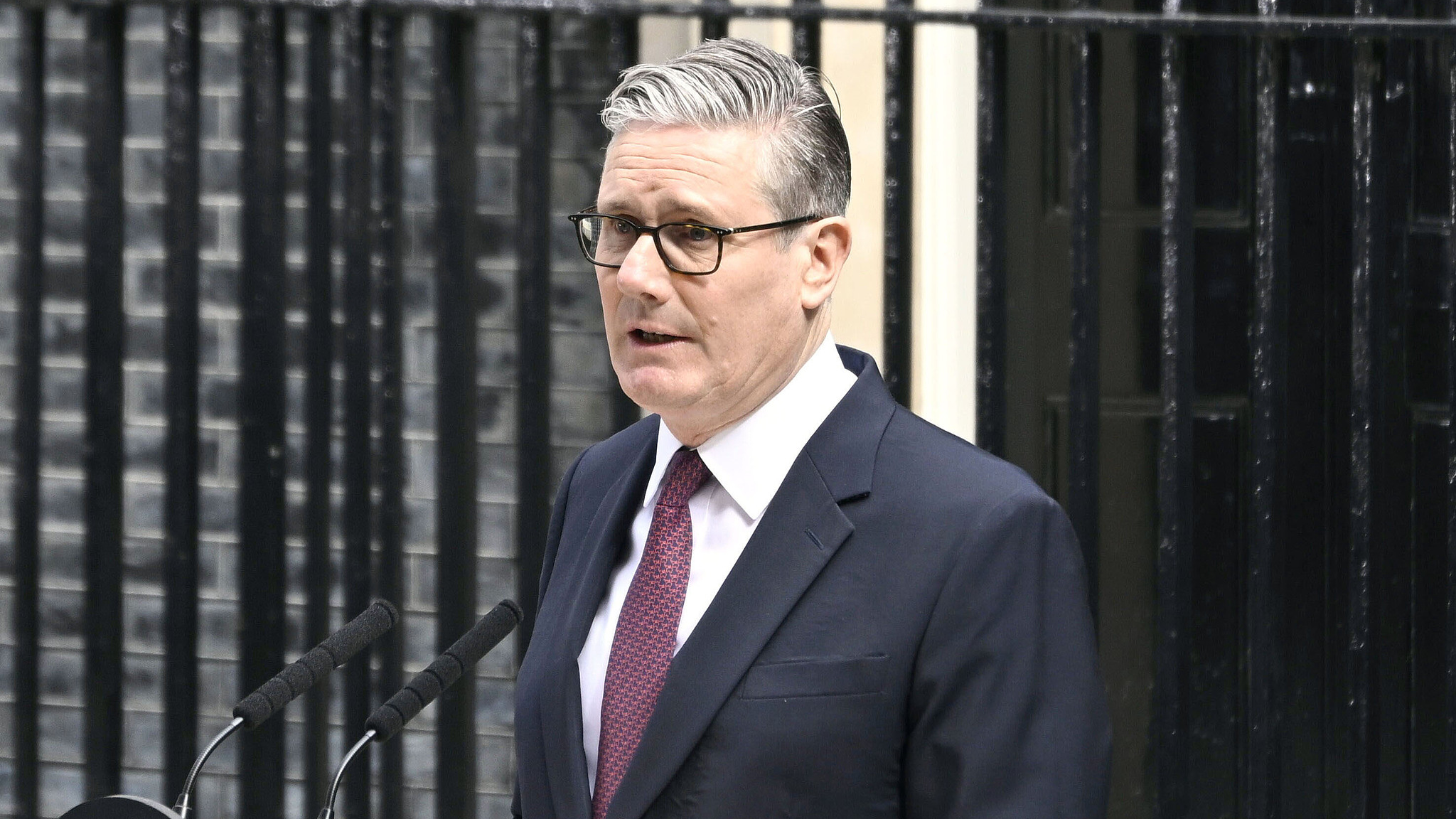
Starmer bowed to the inevitable on Monday, resigning from the leadership of the Labour Party and, with it, his role as prime minister. The departure had been building for some time.
His fall was as dramatic as his rise. Although Starmer led Labour to a stunning landslide victory in July 2024, by September 2025 he had already been branded the most unpopular prime minister since polling began. A string of policy reversals and poorly managed crises eroded his standing. After heavy losses of council seats in May’s local elections, the party moved swiftly to remove him.
Enter Andy Burnham
Former Greater Manchester Mayor Andy Burnham is widely expected to become the next prime minister following an internal Labour leadership contest. Because Labour retains its parliamentary majority, the party keeps the right to form a government.
Burnham’s path to the top has been remarkably fast. Until June 17, he wasn’t even a member of parliament. But after a sitting MP gave up their seat, he won the resulting by-election in a landslide.
His credentials are considerable:
- A former cabinet minister under Tony Blair
- By far the most popular Labour politician
- Viewed as the figure best equipped to take on the surging right-wing Reform party
Having spent nine years away from frontline national politics in Manchester, Burnham built a reputation as someone who gets things done and relates to ordinary people, qualities Starmer was seen to lack.
A Daunting Domestic In-Tray
To outmaneuver Reform, Burnham will need to restore public confidence that the government can actually improve the lives of ordinary Britons. That won’t be easy against a backdrop of converging crises, including an ongoing immigration surge, a cost-of-living crisis, and a knife crime epidemic that has fueled at times violent street protests.
But his single biggest challenge is starkly financial: finding the money to deliver real change amid anemic growth, with the national debt sitting at 94 percent of GDP.
The Uncomfortable Question of Ukraine
One obvious place to look for savings is the spending on the war in Ukraine. Britain, under both Conservative and Labour governments, has taken a near blank-check approach to supporting the conflict, which has so far cost roughly $29 billion (£21.8 billion).
That figure may not sound enormous as a share of overall government spending. But context matters. Starmer’s government faced fierce resistance and ultimately had to retreat from a much smaller £5 billion cut to welfare spending. When a budget is tight enough that ministers must contemplate cutting winter fuel payments for the elderly, it becomes far harder to justify channeling billions toward a distant war.
The Trump Complication
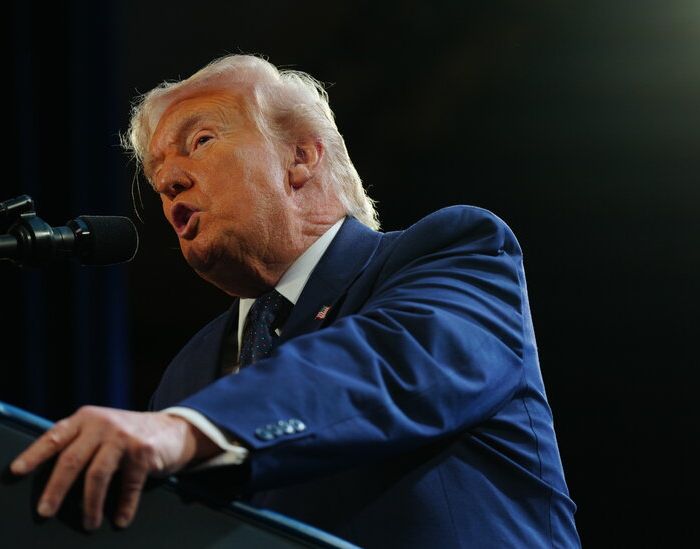
The rational, realist move would be to align with the Trump administration in pressing for a peace settlement. But there’s a significant catch: the Labour Party, and Burnham himself, dislike Donald Trump.
Burnham’s own past words illustrate the problem. In 2025, he accused Trump of “bringing instability to the world.” Starmer, too, endured a fraught relationship with the US president throughout his tenure. The night before Starmer’s resignation, Trump posted on Truth Social that Starmer was leaving after “failing badly on immigration and energy,” a parting shot in a long series of jabs.
Burnham will struggle to rewrite that script within an instinctively anti-Trump party. Starmer’s cabinet was filled with ministers who had criticized Trump over the years, one even calling him an “odious, sad, little man.” Relations were further complicated by Starmer’s appointment of Lord Peter Mandelson as ambassador to Washington, a move that proved a catastrophic mistake after revelations deepened about his ties to Jeffrey Epstein.
Where Britain and America Diverge Most
Despite the friction, Starmer did invest effort in smoothing relations. The King’s visit to Washington in May offered a rare bright spot, emphasizing the deep ties binding the two nations. Yet the flip-flopping of UK support for the US campaign against Iran cast a shadow over the relationship.
It was on Ukraine, however, where Starmer and Trump diverged most sharply.
Trump has been willing to voice an uncomfortable truth, that Ukraine cannot win a war against Russia, while Starmer remained a firm believer in eventual victory. The contrast in their approaches was stark:
- Trump met President Vladimir Putin in Alaska and spoke with him several times; Starmer never spoke to the Russian president once during his two years in office.
- Trump attempted to sketch out the framework of a peace deal between Russia and Ukraine; Starmer rejected its key element, the thorny question of territorial concessions, out of hand.
In short, Starmer positioned himself as one of the biggest obstacles to Trump’s hopes of ending the war, aligning with European leaders who share that view.
The Math That Won’t Add Up
Burnham will quickly discover that something has to give. He cannot simultaneously fix Britain’s decrepit public services, double defense spending, and keep funding what the author characterizes as an unwinnable war in Ukraine. The numbers simply won’t reconcile.
He should also note that Reform Party leader Nigel Farage is close to Trump and spends most of his time addressing domestic policy challenges, an approach that is clearly resonating with ordinary voters.
A Narrow Window of Opportunity
With Britain having left the European Union, Burnham arrives in power with a brief window to realign with America in the interest of European peace. The currents of British domestic politics suggest such a move could help rebuild Labour’s popularity against a surging Farage while also delivering badly needed savings.
The obstacle, though, is internal. The Labour Party is unlikely to embrace this idea at all. As the author wryly concludes, Burnham’s honeymoon period may prove as short-lived as his rapid ascent to power.
It’s worth noting that this piece reflects a particular viewpoint, one that frames the Ukraine war as unwinnable and advocates alignment with Trump’s peace efforts. Others would argue strongly that continued support for Ukraine is both a moral and strategic necessity, and that abandoning that support would reward Russian aggression and undermine European security. Readers should weigh these competing perspectives as the debate over Britain’s path forward unfolds.
Author