A US-brokered deal between Lebanon and Israel has triggered sharp political backlash in Beirut, with one of the country’s most powerful figures warning it could tear Lebanese society apart. As tensions simmer across the region, the agreement has exposed deep fault lines over how to end Israel’s occupation of southern Lebanon and what role Hezbollah should play going forward.
A Powerful Voice Rejects the Deal
Lebanon’s Parliament Speaker Nabih Berri, a key ally of Hezbollah, came out forcefully against the agreement on Monday. Speaking to the Lebanese newspaper al-Akhbar, he dismissed the deal outright, declaring that it would not be implemented and warning it could be used to sow division among the Lebanese people.
Berri, who also heads the Shi’ite Muslim Amal Movement, didn’t mince words. He characterized the agreement as nothing more than “dictates” imposed from outside. In his view, the most alarming part wasn’t even its political content, but the danger that it might incite internal divisions and push Lebanese citizens toward a confrontation with one another.
The Path Berri Sees Forward
Rather than the bilateral track with Israel, Berri pointed to a different route to peace. He argued that negotiations between Iran and the United States represent the only realistic opportunity to secure an Israeli withdrawal from Lebanon.
According to him, any effort to separate Lebanon from the broader U.S.-Iran diplomatic process would only serve to prolong the Israeli occupation. In other words, Lebanon’s fate, in his telling, is bound up with the larger regional negotiations rather than a standalone arrangement.
How the Conflict Began
To understand the stakes, it helps to recall how the fighting started. Israel has occupied a stretch of southern Lebanon as part of a war with Hezbollah that erupted on March 2.
That conflict began when Hezbollah opened fire on Israel in solidarity with Tehran, after Iran came under a joint U.S.-Israeli attack. During the war, Israeli forces carved out a self-declared security zone reaching into southern Lebanon, justifying it as a way to protect northern Israel from Hezbollah strikes.
A Piece of a Larger Puzzle
The Lebanon war has become tightly woven into the wider effort to resolve the U.S.-Iran conflict. The two threads are difficult to separate.
Tehran has insisted that a ceasefire in Lebanon be included as part of its interim deal with Washington. At the same time, the United States has sponsored separate negotiations between the Lebanese and Israeli governments. Notably, Beirut chose to participate in those talks despite strong objections from Hezbollah, highlighting the competing pressures pulling at Lebanese leaders.
What the Agreement Actually Proposes
The deal itself, signed by the Lebanese and Israeli ambassadors to Washington on Friday, lays out a phased approach. Its central mechanism ties Israeli withdrawal to the disarmament of Hezbollah.
The agreement envisions a gradual process built around several steps:
- The Lebanese military taking control of territory once non-state groups are verifiably disarmed
- The Israeli military progressively redeploying out of Lebanon in response
- The Lebanese army assuming responsibility incrementally within designated “pilot zones”
The reference to non-state groups is widely understood to mean Hezbollah, placing the group’s weapons at the heart of the entire framework.
Sharp Divisions Over the Deal
Reaction to the agreement has split sharply along Lebanon’s political and sectarian lines. Israel has welcomed it, with Prime Minister Benjamin Netanyahu stating that it allows Israeli forces to continue occupying southern Lebanon if Hezbollah refuses to disarm.
Hezbollah, predictably, sees things very differently. The group has rejected the deal as a surrender to Israel and has demanded that Beirut abandon its face-to-face talks with the Israeli government altogether.
These divisions run deep within the Lebanese government itself. The administration led by Maronite Christian President Joseph Aoun and Sunni Muslim Prime Minister Nawaf Salam pushed for direct talks with Israel early in the war, even over the strong objections of Shi’ite Hezbollah. That decision reflected long-standing disagreements over Lebanon’s choice to enter the conflict in support of Iran.
The Push to Disarm Hezbollah
The current standoff didn’t emerge in a vacuum. The Beirut government has been working to secure Hezbollah’s disarmament since last year, a goal that gained momentum after the group was significantly weakened in an earlier war with Israel in 2024.
Seeking outside support, President Aoun spoke by phone with U.S. President Donald Trump on Saturday. During that call, Aoun expressed hope that Washington would pressure Israel to pull back from southern Lebanon, underscoring Beirut’s reliance on American influence to make progress.
Continued Fighting on the Ground
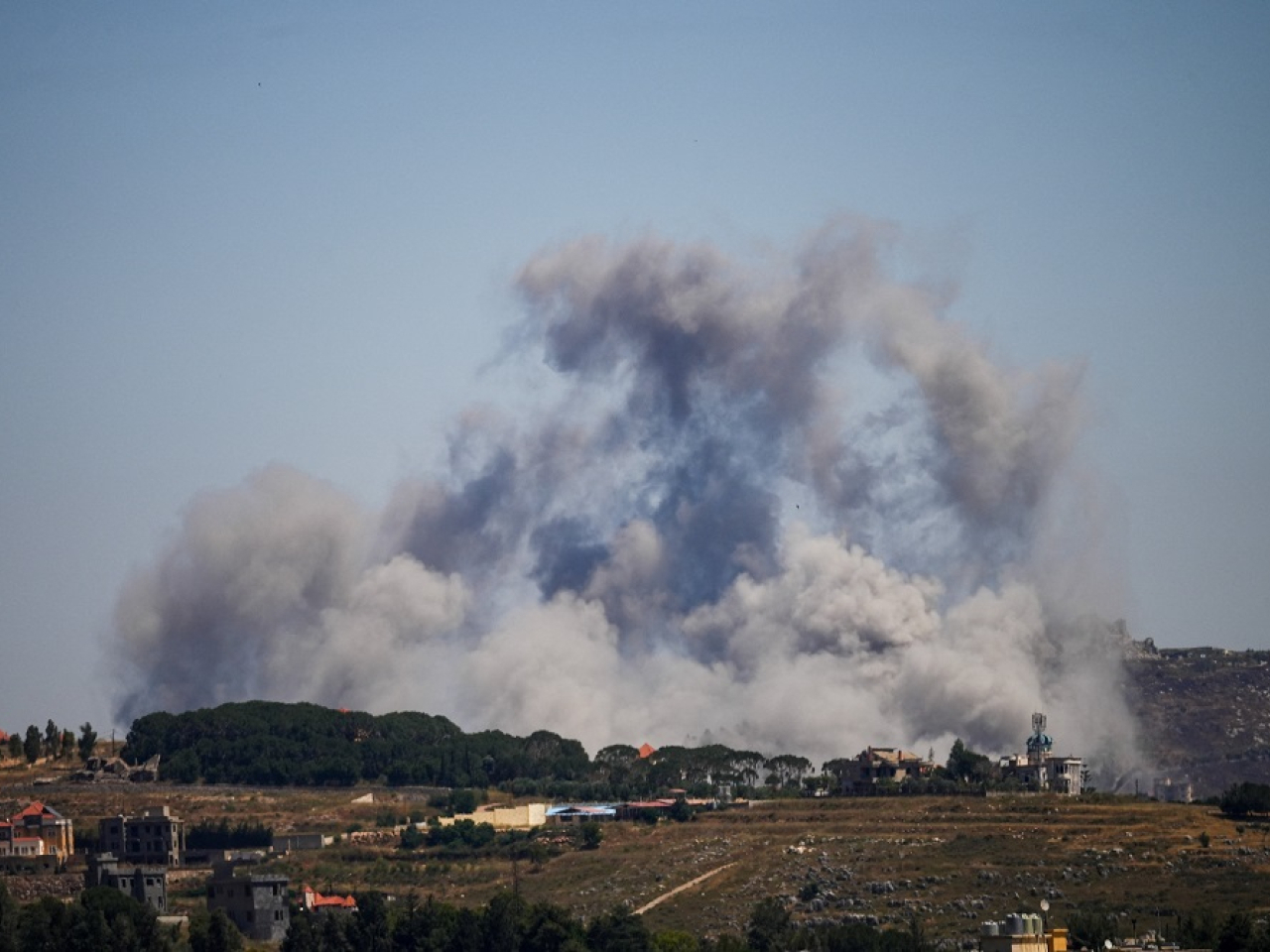
Even as diplomacy unfolds, the military situation remains volatile. The Israeli military reported destroying a 200-meter Hezbollah tunnel in the south overnight.
It also said it had struck three Hezbollah command centers in southern Lebanon on Sunday, framing the action as a response to ceasefire violations by the group. Hezbollah, for its part, pushed back in a Monday statement, insisting it has adhered to the ceasefire so far while reserving the right to defend its homeland and its people.
An Uncertain Road Ahead
The clash between Berri’s flat rejection and the government’s willingness to engage captures the bind Lebanon now faces. With Hezbollah opposed, the government cautiously participating, and Israel tying any withdrawal to disarmament, the agreement sits on fragile ground.
Berri’s warning about internal confrontation carries particular weight given Lebanon’s history of sectarian tension. Whether his prediction that the deal “won’t be implemented” proves accurate may depend less on events in Beirut and more on the outcome of the broader U.S.-Iran negotiations that he insists hold the real key. For now, the path to peace in southern Lebanon remains tangled in a web of competing interests, both within Lebanon and across the region.
Author