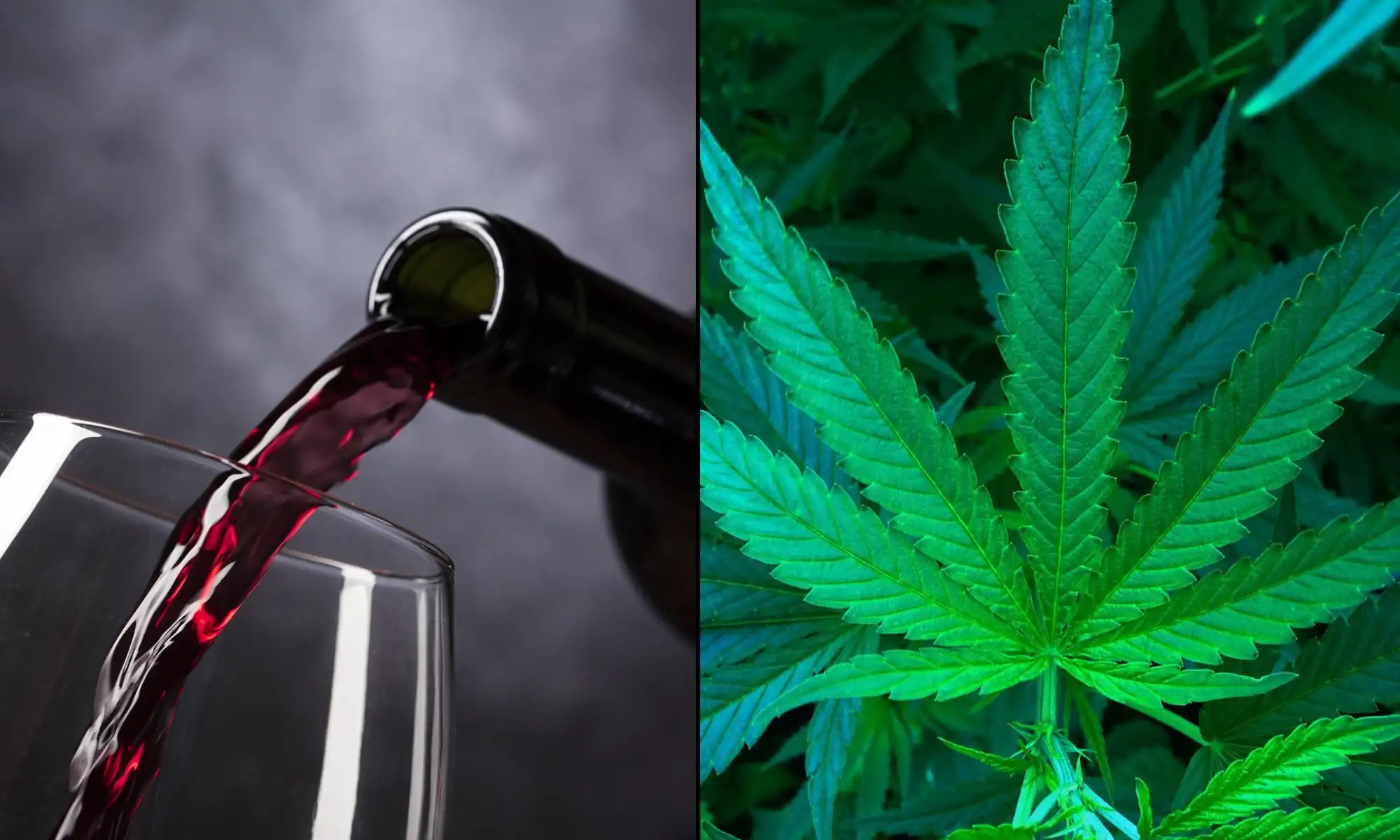
In a striking turn for an agency long known for its hardline stance on cannabis, lawyers for the Drug Enforcement Administration spent the opening day of a high-profile hearing emphasizing marijuana’s medical benefits and its comparative safety next to substances like alcohol and opioids. The proceedings center on the Trump administration’s proposal to reschedule cannabis under federal law.
A Hearing Largely Out of Public View
The hearing was not livestreamed to the public, despite requests for transparency from Marijuana Moment, a member of Congress, and others. To get a sense of how the testimony unfolded, Marijuana Moment spoke with several people who were physically present in the room on Monday.
According to those sources, DEA lawyer James J. Schwartz opened by clarifying the government’s formal role. He noted that the administration is officially the proponent of the proposed rule to move cannabis from Schedule I of the Controlled Substances Act to Schedule III. He stressed that the hearing was not about recreational use, framing it instead as a matter of regulation rather than legalization.
The Government’s Careful Framing
Schwartz was careful not to overstate the case. He emphasized that the government was not presenting any evidence to suggest marijuana is harmless, noting that all controlled substances carry risk. The key, he argued, is that such substances must be weighed by the dangers they pose against the medical benefits they offer.
That balancing act formed the backbone of the day’s testimony.
The FDA’s Scientific Case
Dominic Chiapperino, director of the controlled substance staff at the FDA’s Center for Drug Evaluation and Research and one of the DEA’s two witnesses, walked through how federal health officials arrived at their recommendation to support rescheduling.
He explained that officials relied on a new two-part test, an approach that opponents of reform have criticized as an improper break from earlier analysis. The DEA’s lawyer maintained that this dispute was outside the scope of the hearing, and Chiapperino noted that the new test is now applied every time a fresh drug analysis is conducted.
How Marijuana Compares to Other Substances
The heart of Chiapperino’s testimony involved direct comparisons. The FDA, he said, measured marijuana against alcohol, opioids, and other substances during its scheduling analysis, concluding that the day-to-day harms associated with cannabis were generally lower than all or most of those comparators.
On the question of overdose, his testimony was notably favorable to cannabis. He said marijuana is linked to fewer overdose deaths than the substances it was compared against, and that when cannabis appears in case reports tied to deaths, those fatalities are usually attributed to secondary causes such as accidents or self-inflicted harm. The potential for fatal overdose, he added, is much lower than for other Schedule I drugs as well as Schedule II opioids.
Withdrawal painted a similar picture. Chiapperino testified that withdrawal symptoms for regular cannabis users resemble those of tobacco, including irritability, whereas alcohol carries a far more severe withdrawal syndrome that can include seizures and death.
Opponents Push Back
The hearing also gave anti-rescheduling parties a chance to cross-examine Chiapperino. Among the most vocal critics was Kevin Sabet, president and CEO of the prohibitionist group Smart Approaches to Marijuana, which was invited to participate.
In a video posted to social media, Sabet described watching the government argue in favor of cannabis’s medical uses and relatively low harms as surreal, going so far as to accuse officials of lying through their teeth. He claimed the DEA had been put in the awkward position of arguing against everything it had maintained for the past 50 years, asserting that the evidence actually shows marijuana to be more harmful than previously believed, not less.
What Comes Next
The hearing is set to continue with additional testimony. On Tuesday, other opponents of rescheduling will have their opportunity to cross-examine the FDA official, and the government’s second witness, Corey Burchman, a medical doctor from New Hampshire, will begin his testimony.
The DEA previewed in a filing last week that Burchman would speak to how medical marijuana provides a benefit to pain patients. In his opening remarks, a DEA lawyer said Burchman would describe the real-world impacts of treating pain with marijuana instead of opioids, drawing on his own experience with both. The doctor is expected to discuss how he has personally moved patients off opioids and onto cannabis for pain management, along with the differences between the two when it comes to withdrawal and overdose risk.
Reform Advocates Feel Shut Out
The proceedings have not been without controversy over who gets a seat at the table. Before the hearing began, marijuana reform activists gathered for a press conference outside DEA headquarters to protest what they see as their exclusion from the process. They criticized the fact that no supporters of reform were invited to participate as designated participants and that the hearing was not being livestreamed, despite official pledges of transparency.
DEA Administrator Terrance Cole had invited only organizations and individuals opposed to marijuana reform to join as designated participants. Supporters were told they did not meet the definition of an interested person eligible to participate, on the grounds that they were not adversely affected or aggrieved by the proposed rule.
A Notable Reversal
What makes the hearing so remarkable is the spectacle of a federal drug enforcement agency making the scientific case for cannabis being safer than legal substances like alcohol. As the testimony continues, the proceedings offer an unusual window into how the government’s official position on marijuana has shifted, even as critics on both sides question the fairness and transparency of the process. The outcome could reshape the legal status of cannabis in the United States, marking one of the most consequential drug policy decisions in decades.
This touches on substance use, which can be a sensitive subject. If you or someone you know is navigating questions around alcohol, opioids, or cannabis use, a medical professional can offer guidance tailored to the specific situation.
Author