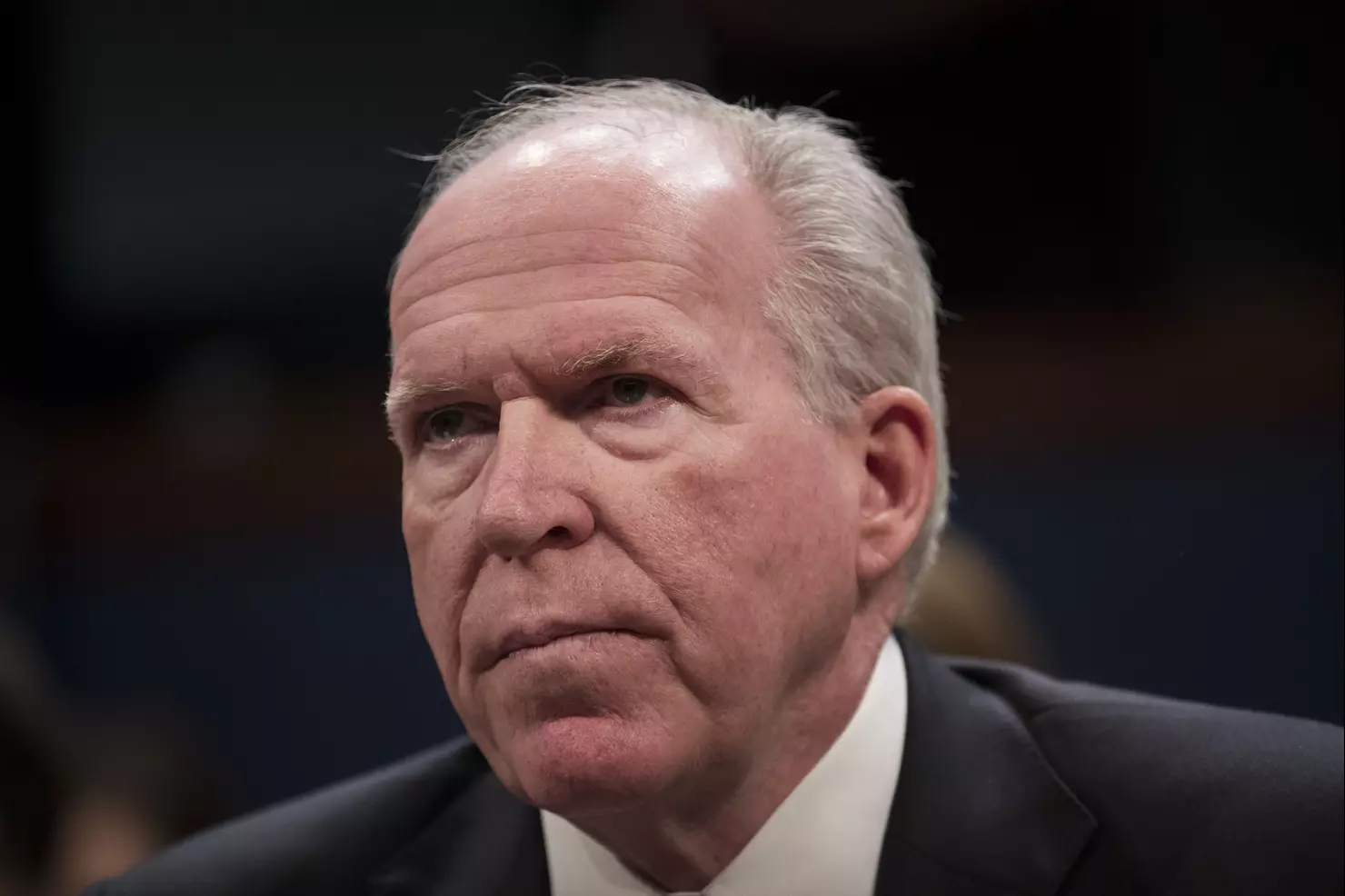
The John Brennan lawsuit has thrust the former CIA director back into a high-stakes confrontation with the Trump administration, as he moves to protect records connected to investigations targeting him. On Tuesday, Brennan asked a federal court to order officials to preserve any documents tied to those probes, a step his legal team frames as a necessary safeguard rather than an ordinary request.
Why the Case Matters
At first glance, a demand to preserve records might sound like a routine legal formality. In reality, the John Brennan lawsuit could carry significant weight down the road.
If Brennan is eventually charged with a crime, those preserved records could become central to his defense. His attorneys are laying the groundwork to argue that any prosecution would amount to unconstitutional political retaliation rather than a legitimate pursuit of justice. In other words, the documents he wants protected today could tomorrow serve as evidence that the government acted out of vindictiveness.
Brennan himself contends that the investigation is not happening in a vacuum. He views it as one piece of a much broader effort by President Trump to punish political opponents, particularly outspoken critics. Brennan fits squarely into that category, having clashed publicly and repeatedly with Trump over a period of years.
What Brennan’s Legal Team Argues
The lawsuit, filed in federal court in Washington, D.C., runs 46 pages and lays out a pointed set of claims. His attorneys argue that the administration has quietly shifted its approach to record retention, breaking from long-established practices that have governed how government documents are kept.
Several key assertions stand out in the filing:
- Officials, according to Brennan’s lawyers, are investigating him over what they describe as phantom criminal conduct, suggesting the probe lacks a genuine basis.
- The legal team expressed real concern that relevant records and communications might not survive long enough for a court to examine them, citing what they call the government’s questionable recent history on preservation duties.
- They further alleged that the Justice Department has shown a consistent pattern of irregular behavior, not only in Brennan’s case but in other matters they characterize as retribution driven.
The underlying worry is straightforward. If the evidence needed to prove political motive disappears before a judge can review it, Brennan’s ability to defend himself could be seriously undermined.
How the Justice Department Responded
The administration pushed back, though carefully. A Justice Department spokesperson declined to confirm or deny whether any investigation into Brennan even exists.
She did, however, take a sharp swipe at the former CIA chief. She suggested it was rather ironic for Brennan, of all people, to accuse anyone of running a retribution campaign. When pressed to explain what she meant by that remark, she did not immediately offer further detail, leaving the pointed comment hanging without elaboration.
A Promise to Fight Any Charges
Behind the scenes, those close to Brennan signal he is prepared for a prolonged battle. A source familiar with his thinking said the former director intends to vigorously challenge any indictment the administration might secure.
That source framed the entire situation as part of a long history. Ever since Trump entered politics, they noted, he has singled Brennan out for criticism, and they believe the current investigations represent the latest attempt to retaliate against him. In their view, Brennan is being targeted for two things: his lawful work leading the CIA and his constitutionally protected speech.
The source was emphatic about what comes next. Should an indictment ever be handed down, Brennan plans to attack it as the product of vindictive and selective prosecution. For now, though, the filing has a narrower goal. It seeks only to ensure the government preserves the evidence courts would need to weigh Brennan’s constitutional claims.
There was also a note of frustration in the message. Securing a preservation order, the source suggested, should never require dragging the matter before a judge. Yet given the government’s recent track record on keeping records and meeting its legal obligations, obtaining such an order has become both prudent and, regrettably, necessary.
The Broader Pattern Brennan Points To
Perhaps the most compelling part of the filing is the context it draws on. Brennan’s attorneys point to a series of failed prosecutions and other aggressive actions by the Trump administration as signs that he, too, could eventually face charges.
Two examples feature prominently:
- The filing highlights subpoenas issued to former Federal Reserve Chair Jerome Powell, which appeared aimed at pressuring him to lower interest rates. A federal judge ultimately quashed those subpoenas, rejecting the effort.
- It also references an investigation into Democratic Minnesota Governor Tim Walz. In that instance, a judge concluded the probe seemed designed to retaliate against Trump’s political and personal adversaries.
Together, these cases form the backbone of Brennan’s argument. By citing instances where courts have already questioned the administration’s motives, his team aims to show a recurring pattern rather than an isolated dispute.
What to Watch Going Forward
For now, the John Brennan lawsuit is less about proving guilt or innocence and more about locking down evidence before it can vanish. It reflects a deep distrust between a former intelligence chief and an administration he believes is out to settle scores.
The coming weeks will reveal how the court responds to the preservation request, and whether the administration’s guarded posture gives way to a formal investigation or charges. Either way, Brennan has made his stance unmistakable. He is bracing for a fight, positioning himself to argue that any prosecution would be rooted in politics rather than the law.
Whatever unfolds next, this case underscores a larger tension gripping Washington, one where questions of accountability, retaliation, and the proper use of government power increasingly play out in the nation’s courtrooms.
Author