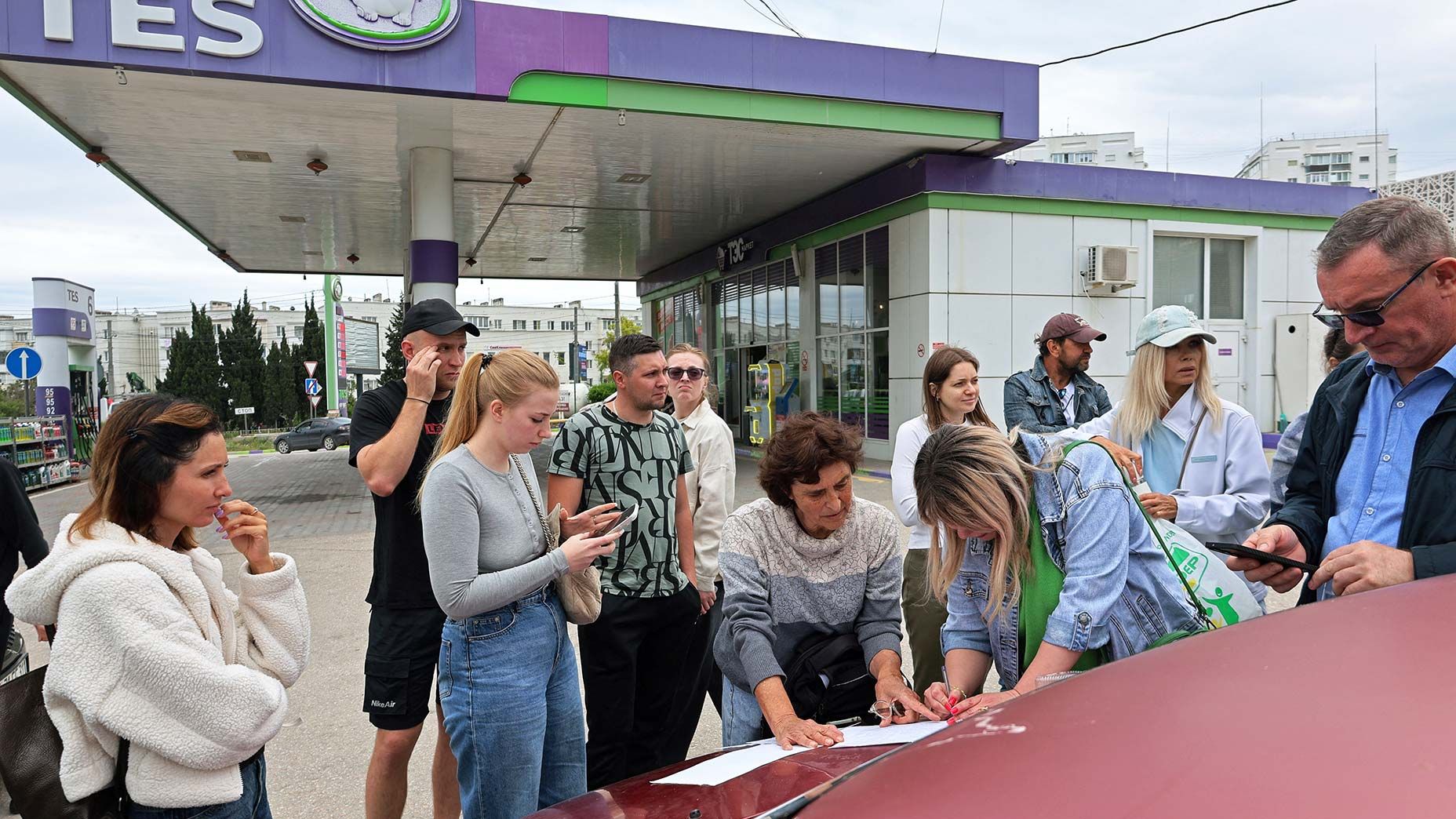
Russia’s fuel crisis has spiralled into a nationwide ordeal, forcing ordinary citizens to endure gruelling waits that many say echo the darkest days of Soviet-era scarcity. Across the country, drivers are queuing for hours on end just to fill their tanks, a stark reminder of how deeply the war in Ukraine has begun to touch the lives of everyday Russians. What was once a distant conflict has now arrived at the petrol pump, leaving frustrated motorists questioning how their nation reached this point.
A Mother’s Marathon Wait
Perhaps no story captures the severity of the situation quite like that of one young mother whose experience has come to symbolise the crisis. In the Siberian city of Irkutsk, located thousands of miles from the front lines, one family faced an almost unbelievable test of patience.
According to her account, a 26-year-old woman working in social media, along with her husband and their 18-month-old child, joined a gas station queue late one Friday evening. They did not manage to fill their tank until the following afternoon, enduring a staggering 18-hour wait in the process.
During that seemingly endless ordeal, the family made do as best they could. She used the station’s restroom, purchased snacks to get by, and leaned on the kindness of fellow motorists who shared food and toys to keep her baby occupied. The scene painted a vivid picture of a community bound together by shared hardship.
Her reaction to the situation resonated with many. She recalled her horror upon first encountering the shortage, wondering aloud whether the country had somehow slipped back into the Soviet Union, where coupons were once required to buy basic goods like sausage.
The Root of the Shortage
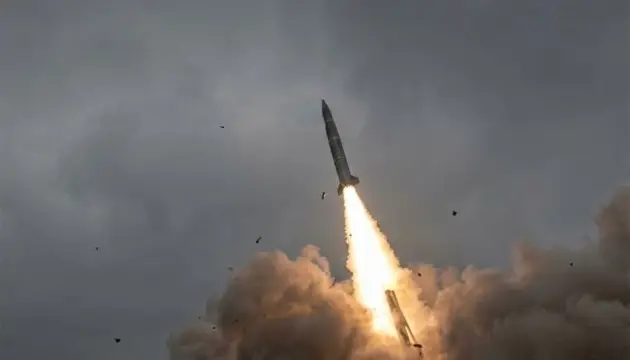
The crisis did not emerge from nowhere. It stems directly from Ukraine’s sustained campaign of drone strikes targeting oil infrastructure deep within Russian territory.
Over several months, these long-range attacks have inflicted serious damage on refineries across the country. Energy analysts estimate that a quarter or more of Russia’s total refining capacity has been knocked offline as a result.
The scale of the destruction has not gone unnoticed at the highest levels. The head of Russia’s largest oil company reportedly described the damage as unprecedented in a leaked letter addressed to the president himself. Such candid acknowledgement from within the industry underscores just how serious the disruption has become.
War Comes Home to Ordinary Russians
For much of the conflict, civilians far from the fighting felt somewhat insulated from its direct consequences. That sense of distance has now evaporated as the effects of the war reach even the most remote corners of the nation.
The situation in Irkutsk illustrates this reality with striking clarity. Located roughly 3,000 miles from Ukraine, the city has seen queues grow so long that local officials pledged to provide portable toilets for those forced to wait along the roadside. The very need for such measures speaks volumes about the desperation taking hold.
The shortage first became noticeable to many in mid-June. Drivers began arriving at stations only to discover that fuel was being reserved exclusively for those holding ration coupons, a jarring throwback to a bygone era of scarcity.
Mounting Pressure on a Fragile Economy
The fuel shortage is not occurring in isolation. Instead, it is compounding the severe strain already weighing heavily on Russia’s economy.
The country has been grappling with a range of economic challenges, including:
- Persistently high inflation eroding purchasing power.
- Steep interest rates imposed to bring prices under control.
- Rising defaults driven by burdensome borrowing costs.
- Weakening consumer demand across various sectors.
Together, these pressures have raised alarming fears that a banking crisis could be looming on the horizon. The fuel crunch adds yet another layer of instability to an already precarious financial landscape.
The Kremlin’s Response
Faced with growing discontent, Russian officials have adopted a notably measured tone, often downplaying the severity of the situation. The president has acknowledged the fuel shortage but dismissed the Ukrainian strikes on oil facilities as not being critical.
Despite this outward calm, the government’s actions tell a different story. In an effort to boost domestic supply, the Kremlin has taken several significant steps, including:
- Banning the export of gasoline and jet fuel.
- Importing gas from India, a remarkable move for one of the world’s largest oil producers.
Other senior figures have echoed the effort to project control. The deputy prime minister characterised the fuel market as difficult but manageable, while the finance minister went as far as to deny that the crisis had caused any spike in gasoline prices.
Reality on the Ground
Yet the picture emerging from across Russia sharply contradicts these reassurances. Far from being under control, the situation appears to be deteriorating in many regions.
Prices are indeed climbing, and tensions are boiling over. Reports describe fights breaking out among exhausted and frustrated drivers stuck in lengthy queues. In some areas, gas stations have simply shut their doors entirely.
The impact varies from region to region but remains severe in key areas. In one of Russia’s largest regions, a local official revealed that at least a third of gas stations had been forced to close. The strain is evident wherever one looks.
Crisis in Annexed Territories
The consequences extend even to territories under Russian control beyond its recognised borders. In Crimea, the peninsula illegally annexed years ago, the shortage has grown so acute that authorities took drastic action.
Officials there declared that fuel would now be primarily reserved for municipal and emergency services. Sales to the general public were largely halted, permitted only when surplus supplies happened to be available. Such rationing highlights the depth of the crisis in these areas.
Ukraine Presses Its Advantage
Rather than easing its campaign, Ukraine has continued to intensify the pressure. Recent drone strikes targeted an oil terminal in St. Petersburg, a facility that had already been hit once before during a high-profile economic conference hosted by the Russian president.
These repeated attacks demonstrate Ukraine’s clear strategy of striking at the economic foundations that sustain Russia’s war effort. By crippling refining capacity and disrupting fuel supplies, Kyiv aims to bring the reality of the conflict home to a broader segment of the Russian population.
A Nation Feeling the Strain
Ultimately, Russia’s fuel crisis represents far more than a logistical inconvenience. It marks a moment when the abstract costs of war have become painfully concrete for millions of ordinary citizens.
The image of a young family waiting 18 hours for gas, sustained only by the generosity of strangers, encapsulates a nation under mounting pressure. As queues lengthen, prices rise, and tempers flare, the war that once seemed distant now shapes daily life in profound and unavoidable ways.
Whether the Kremlin’s reassurances can hold in the face of such visible hardship remains an open question. For now, the endless lines and empty pumps serve as a powerful reminder that in modern warfare, the consequences rarely stay confined to the battlefield.
Author