US Strikes on Iran Intensify as Tensions Boil Over the Strait of Hormuz
US strikes on Iran continued for a sixth consecutive night, according to the American military, as the two nations remained locked in a dangerous standoff over one of the world’s most vital shipping lanes. What began as a series of targeted attacks has widened into a broader confrontation, drawing in neighboring countries and raising alarm about global energy supplies.
Below is a breakdown of the latest developments and what they could mean.
Another Night of Attacks
US Central Command, known as Centcom, said the newest wave of strikes was designed to further weaken Iran’s military capacity. The command also confirmed it had boarded a vessel as part of an ongoing blockade of Iranian ports.
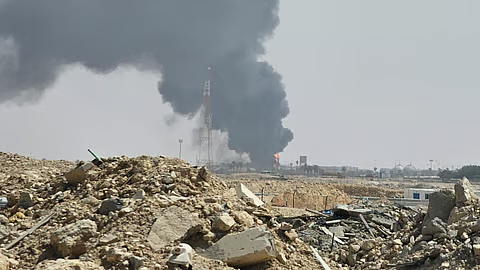
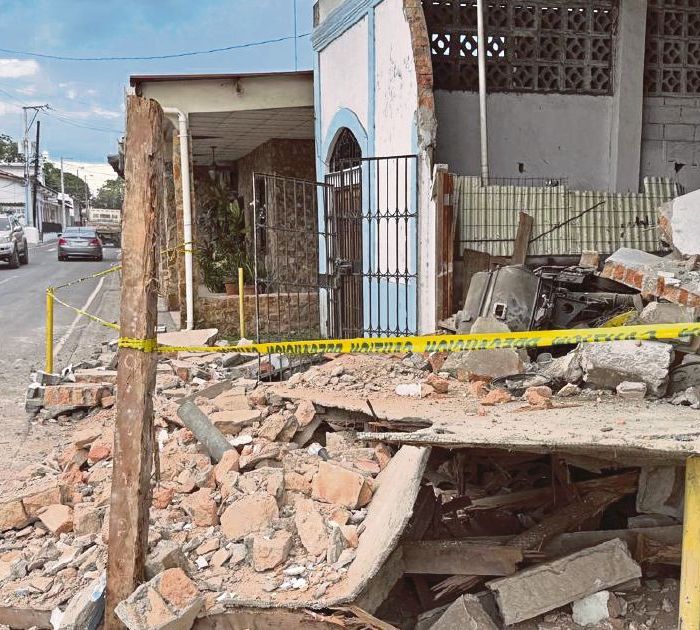
Iranian state media, however, painted a different picture. Officials there reported that American forces had struck civilian sites, including bridges, a train station, and an airport. The BBC independently confirmed damage to at least one bridge west of Bandar Abbas in Hormozgan province.
According to Iranian outlets, the strikes hit several targets, including:
- Iranshahr Airport in the country’s southeast
- A railway station in the coastal town of Bandar Khamir
- Five bridges in a nearby port city
Iranian state news reported seven deaths in these strikes. More broadly, the country’s health ministry said at least 38 people have been killed and over 400 injured since fighting with the US resumed.
A Dispute Over What Was Actually Hit
There’s a clear gap between the two sides’ accounts. Centcom described striking dozens of Iranian military targets, listing coastal surveillance sites, air defenses, military logistics, and maritime assets, but made no mention of bridges. The BBC has asked the command to respond to Iran’s claims.
The context matters here. Earlier in the week, President Donald Trump warned he would target Iran’s bridges and power plants if Tehran refused to return to negotiations. Back in April, when Trump first floated bombing civilian infrastructure, the UN’s human rights chief, Volker Türk, cautioned that deliberately attacking civilians and civilian infrastructure would amount to a war crime.
Iran Strikes Back Across the Region
Iran’s Revolutionary Guards, or IRGC, said they retaliated by hitting a range of targets beyond Iran’s own borders. According to the group, their strikes reached:
- US maritime surveillance radar sites in Oman
- Targets in Kuwait and Bahrain
- A US special operations command center at al-Tanf in Syria, near the Jordanian border
The IRGC framed the Syria attack as revenge for the killing of Iranian soldiers two days earlier. Neither Syria nor the United States has publicly addressed the claim.
The ripple effects reached other countries quickly. Jordan’s military said it shot down three Iranian missiles, reporting no casualties or damage. In Iraq, Kurdish forces said they downed eight drones over the city of Erbil, again with no injuries reported.
The Strait of Hormuz Remains Closed
At the heart of this crisis sits the Strait of Hormuz, a narrow but critically important waterway off Iran’s coast. Tehran effectively shut it in response to earlier US and Israeli strikes, and it has stayed closed as hostilities escalate.
The consequences are serious. The strait is a key artery for the region’s oil exports, and its closure has already disrupted supply. Fatih Birol, head of the International Energy Agency, voiced open concern about what this means for the world’s energy stability.
Speaking Thursday night, Birol said the situation was worrying and warned that things could deteriorate further if there’s no improvement in the coming weeks.
Pressure on the Shipping Lanes
The maritime dimension of this conflict is intensifying. Centcom said Marines boarded an oil tanker in the Gulf of Oman as part of the renewed blockade of Iranian ports, which began Tuesday night. The command added that it had redirected three commercial vessels attempting to break through.
Separately, UK Maritime Trade Operations reported that a tanker was struck by an unknown projectile on Thursday while sailing near Khasab in Oman. Fortunately, all crew members were said to be safe.
The scale of the earlier blockade offers some perspective: between mid-April and mid-June, Centcom said US forces disabled nine ships and redirected more than 140.
Calls for De-escalation
As the fighting drags on, international pressure to pull back is mounting. On Friday, the foreign ministers of China and Pakistan urged both Washington and Tehran to halt the violence and return to the negotiating table.
The diplomatic picture remains tangled. The renewed hostilities have strained a preliminary deal meant to end the war. Still, White House press secretary Karoline Leavitt said Thursday that Trump remains open to talks. She explained that the president would hold Iran accountable for backing away from its commitments, while insisting he was simultaneously open to diplomacy.
According to Leavitt, Iran has signaled it still wants a deal. But she stressed that Trump would not tolerate attacks on ships in the strait without consequences.
Iran, for its part, has struck a defiant tone. Its top negotiator, Mohammad Bagher Ghalibaf, said Wednesday that Tehran had no reason to honor any agreement that didn’t serve the country’s interests. He tied Iran’s national security directly to maintaining what he called “Iranian arrangements” in the Strait of Hormuz.
A Rare Gesture Amid the Conflict
Even as the strikes continued, there was one small sign of goodwill. On Wednesday, Trump praised Iran for releasing Dena Karari, a US detainee he described as having been wrongfully held since December 2024. He publicly thanked Iran for the gesture on social media.
Where Things Stand
For now, the trajectory points toward continued escalation rather than calm. With the Strait of Hormuz closed, oil flows disrupted, and both sides trading blows across multiple countries, the risk of a wider regional conflict looms large.
Diplomacy hasn’t been ruled out, and quiet channels appear to remain open. But with civilian casualties mounting and neither side willing to blink first, the path back to the negotiating table looks steep, and the coming weeks may prove decisive for both the region and the global economy.
Author