A Ukrainian strike in southwest Russia killed one person and wounded three more on Sunday, including a child — the latest entry in a campaign that has quietly become one of the most consequential fronts of the war.
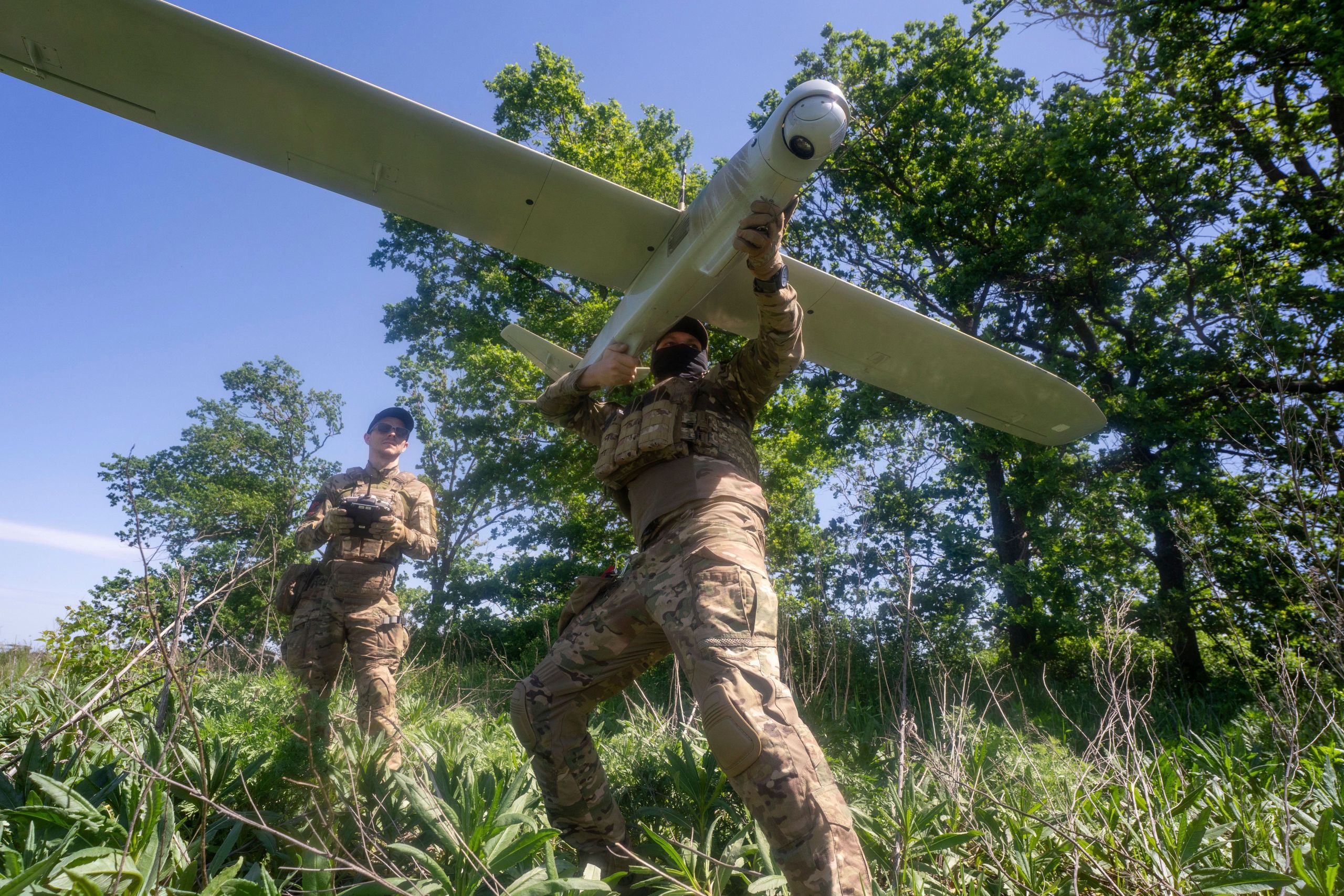
Ukrainian drone attacks are no longer aimed primarily at Russian troops. They are aimed at Russian fuel.
And it is working.
What Happened Sunday
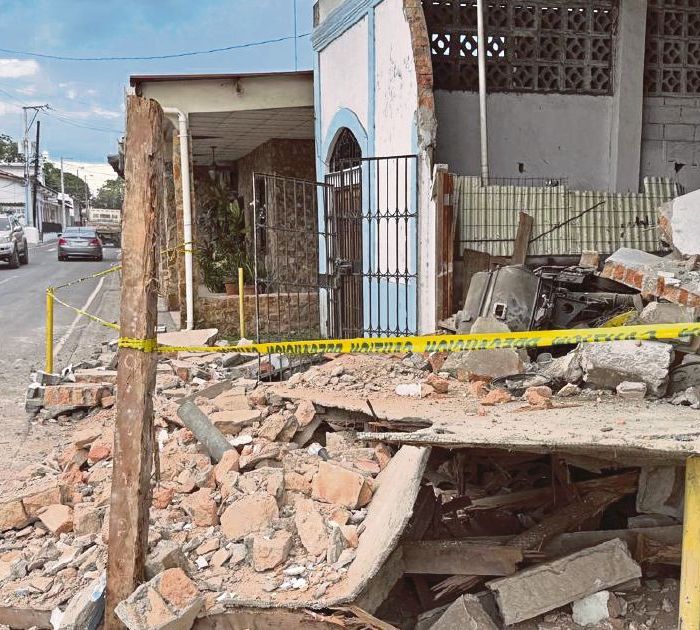
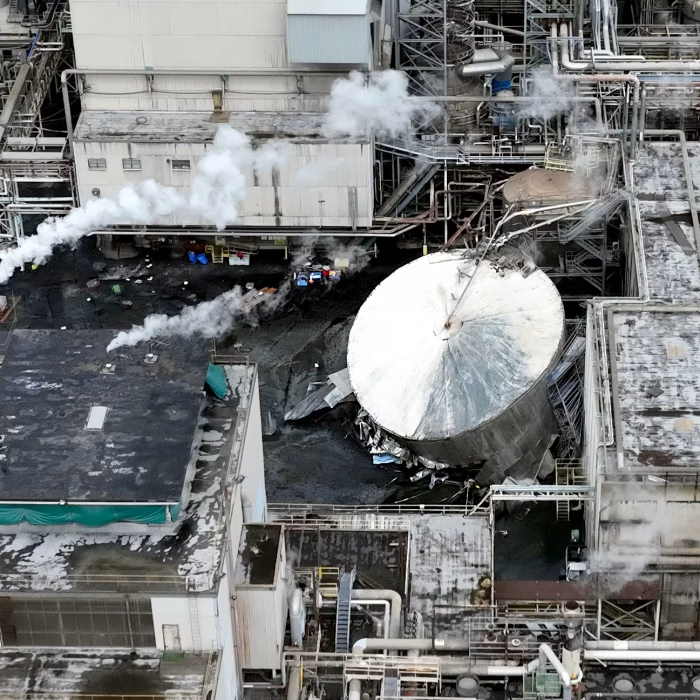
Gov. Vyacheslav Fedorishchev, head of Russia’s Samara region, confirmed the casualties and said residential homes and apartment buildings were damaged in the strike, along with an unspecified “industrial site.”
Russian media outlets were less circumspect about what that site actually was.
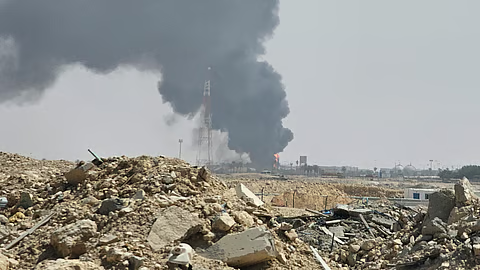
They identified the target as the Syzran Oil Refinery, sharing images that appeared to show black smoke rising over the facility.
The refinery is owned by Rosneft, the state oil and gas giant. It sits roughly 800 kilometers — about 500 miles — east of the border.
It has been hit repeatedly.
The Tanker
Separately, Gov. Yuri Slyusar of Russia’s Rostov region reported that a tanker had been damaged in a drone attack in the Azov-Black Sea maritime canal.
The vessel was empty, Slyusar said, and there is no risk of an oil spill.
Between refineries and tankers, the pattern is unmistakable. Ukraine is targeting the entire chain — production, processing, and transport.
The Fuel Crisis Inside Russia
This campaign has produced consequences that ordinary Russians feel directly.
Ukrainian drone strikes on refineries and other infrastructure across Russia have triggered a widespread fuel crisis.
The effects include:
- Gasoline shortages across multiple regions
- Rationing imposed in affected areas
- Motorists queuing for hours simply to fill their tanks
For a country that is one of the world’s largest energy producers, this is a genuinely humiliating outcome — and a strategically significant one.
Refineries are enormous, expensive, difficult to repair, and impossible to hide. They are the ideal target for a country with limited long-range strike capacity but excellent drone technology.
Zelenskyy’s Framing
President Volodymyr Zelenskyy has given this campaign a name that captures its logic precisely.
He describes the strikes on Russian energy infrastructure as “long-range sanctions” — economic pressure applied not through diplomacy or trade restrictions, but through direct physical destruction.
Kyiv presents them as a response to Moscow’s refusal to end its four-year invasion.
The reasoning is coherent. Conventional sanctions have limited effect on Russia’s ability to sell oil. A destroyed refinery has an immediate and unambiguous effect on Russia’s ability to refine it.
Russia’s Answer
Moscow’s response has been to escalate against Ukrainian cities.
Russia has intensified its bombardment of Kyiv and other urban centers, relying heavily on ballistic missiles — the one weapon Ukraine’s air defenses struggle most to intercept.
That vulnerability is the mirror image of Russia’s refinery problem. Each side has found the other’s structural weakness and is pressing on it relentlessly.
The Odesa Claim
Russia’s Ministry of Defense said Sunday that it had attacked the ports of Odesa and Chornomorsk in Ukraine’s Odesa region.
Ukrainian officials have not commented on the claim.
Ports, like refineries, are economic infrastructure. Ukraine depends on Black Sea shipping for grain exports and much else. Attacking them follows the same logic Kyiv is applying in reverse.
The War Has Changed Shape
What is unfolding now is less a battlefield conflict than an economic siege conducted by both sides simultaneously.
Ukraine cannot match Russia in artillery or manpower. So it strikes refineries 500 miles from the border and creates gasoline queues in Russian cities.
Russia cannot break Ukraine’s lines decisively. So it fires ballistic missiles at Kyiv and hits ports on the Black Sea.
Neither approach wins territory. Both are designed to make the other side’s war unsustainable.
What to Watch
The key metric is not casualties or captured villages. It is refining capacity.
If Ukraine can keep degrading Russia’s ability to process crude into usable fuel, the domestic pressure inside Russia — queues, rationing, price spikes — becomes politically difficult to ignore.
If Russia can keep striking Ukrainian cities faster than air defenses improve, the human cost may force Kyiv toward the negotiating table.
Both bets are being placed. Sunday’s dead in Samara, and the smoke over the Syzran refinery, are what those bets look like on the ground.
Author