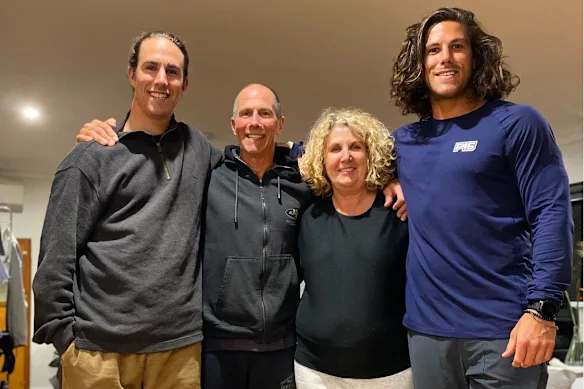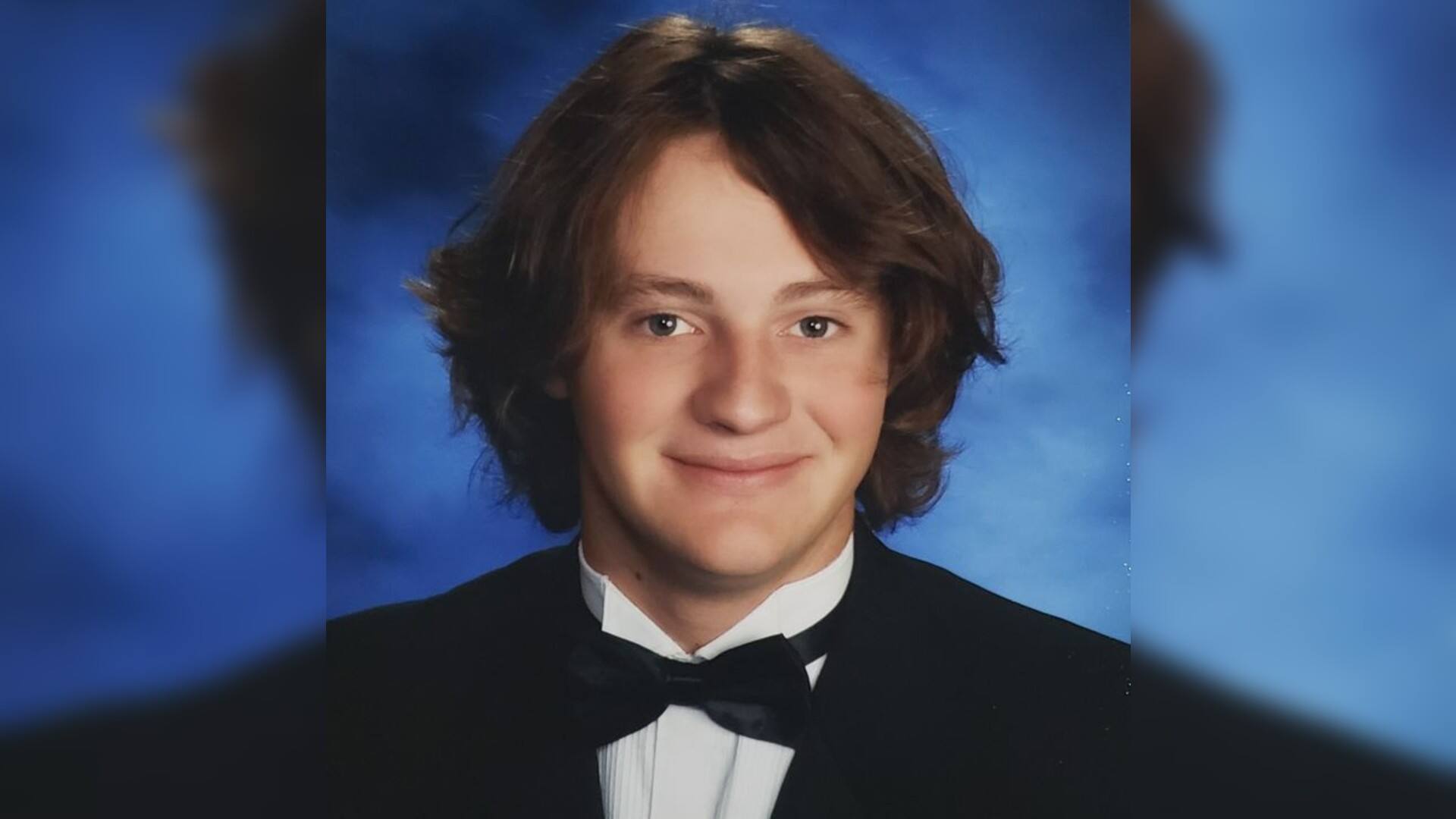
A Pennsylvania police shooting has left a 22-year-old college student dead, and his family says he had already realized his mistake and was waiting for friends to pick him up when officers opened fire.
The account offered Wednesday by Glen Pysher, the young man’s father, describes a night that went wrong through simple confusion rather than anything criminal.
What Authorities Have Said
Police in Upper Pottsgrove Township, located northwest of Philadelphia, were dispatched around 12:30 a.m. Sunday after a 911 caller reported a possible attempted break-in.
According to a statement from the Montgomery County district attorney’s office, officers located Glenwood Pysher IV at the rear of the residence. He was shot and killed during the encounter.
The office has not released a detailed account of what unfolded between the officers’ arrival and the shooting.
The Family’s Version of Events
Glen Pysher has pieced together what he can from his son’s friends.
He said the group had spent the evening visiting several bars before deciding to split up and stay overnight at two different houses. Walking between locations, his son took a wrong turn through a wooded stretch and became disoriented.
Based on those accounts, the father believes his son approached a house he genuinely thought belonged to a friend and attempted to get inside. When he realized the error, he stopped and waited for his friends to come find him.
He was not armed, according to his father. He had his phone and a backpack containing clothes and a few beers.
The Gap Between the Two Accounts
The two descriptions are not necessarily contradictory, but they leave a significant unexplained space.
A 911 caller reported what appeared to be someone trying to break in. From inside a house at half past midnight, an unfamiliar person at the door or window would reasonably look alarming. That call was made in good faith by someone who did not know who was outside or why.
Officers arrived with that information in hand. What they were told, what they saw, what commands were given, and how Pysher responded remain unknown publicly.
Those details will determine how the shooting is ultimately judged.
How These Investigations Work
In Pennsylvania, the district attorney’s office in the county where a police shooting occurs typically leads the review.
That process generally involves:
- Interviews with the officers involved and any witnesses
- Review of body camera and dashboard camera footage if available
- Analysis of radio traffic and the original 911 call
- Forensic examination of the scene
- An autopsy and toxicology findings
- A determination whether the use of force was legally justified
Timelines vary considerably. Some reviews conclude within weeks, others take many months.
Whether body camera footage exists here has not been disclosed. In cases like this, it often becomes the single most important piece of evidence.
A Familiar and Painful Pattern
Cases involving people who ended up at the wrong address have drawn national attention repeatedly in recent years.
The circumstances differ, but the shape is often similar. Someone becomes disoriented, approaches a home that is not theirs, and a resident perceives a threat. What follows depends heavily on how quickly the situation is de-escalated and how it is communicated to responding officers.
The underlying tragedy in these cases is that nobody involved is acting maliciously. A resident who calls for help is frightened. Officers responding to a possible burglary in progress are operating on incomplete information. And the person outside is usually lost, sometimes intoxicated, and entirely unaware of how the scene looks from inside.
Questions the Family Wants Answered
For the Pysher family, the immediate questions are practical.
They want to know what officers were told before arriving, whether commands were issued and whether their son had time to comply, what specifically prompted the decision to shoot, and whether footage exists that would show it.
They also want to understand the sequence in time. If, as they believe, he had already stopped and was waiting for friends, then what officers encountered was not a break-in in progress.
What Comes Next
The district attorney’s office has offered only a brief statement so far, which is typical at this stage of an active investigation.
More information usually emerges as the review progresses, sometimes through a formal report and sometimes through the release of recordings. Whether officers face charges depends on findings that have not yet been made.
In the meantime, a family is trying to reconcile the ordinary details of a normal night out with an outcome that has no ordinary explanation. A group of friends, a few bars, a plan to sleep at two houses, and a wrong turn in the dark.
Author