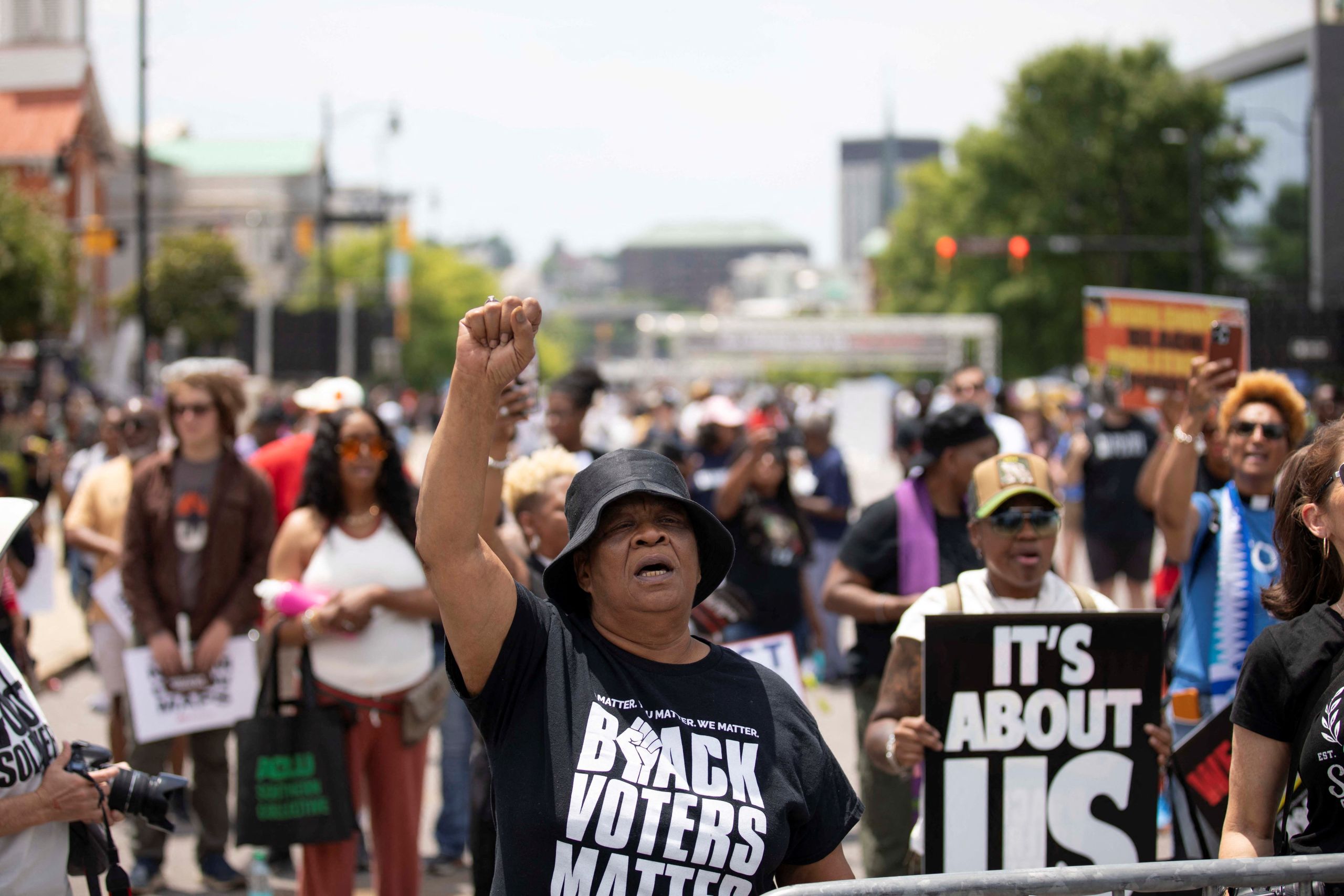
An Alabama Black voting rights rally drew thousands of people to Montgomery on Saturday, as Americans from across the country gathered to defend protections they fear are slipping away. Traveling by bus, car and plane, they came together for the All Roads Lead to the South rally, a direct response to a recent Supreme Court ruling that has dramatically weakened federal safeguards against voting discrimination.
A Gathering Rooted in History
The rally unfolded outside the Alabama state capitol, in the very plaza tied to the historic 1965 Selma to Montgomery marches. Those three nonviolent demonstrations, carried out in support of Black voting rights, remain a powerful symbol of the civil rights movement, and organizers deliberately chose the location to connect past struggles with the present moment.
The event was coordinated by a coalition of national and local civic engagement groups. It followed last month’s Louisiana v Callais decision, which critics say effectively gutted the Voting Rights Act and stripped away key protections meant to prevent discrimination at the ballot box.
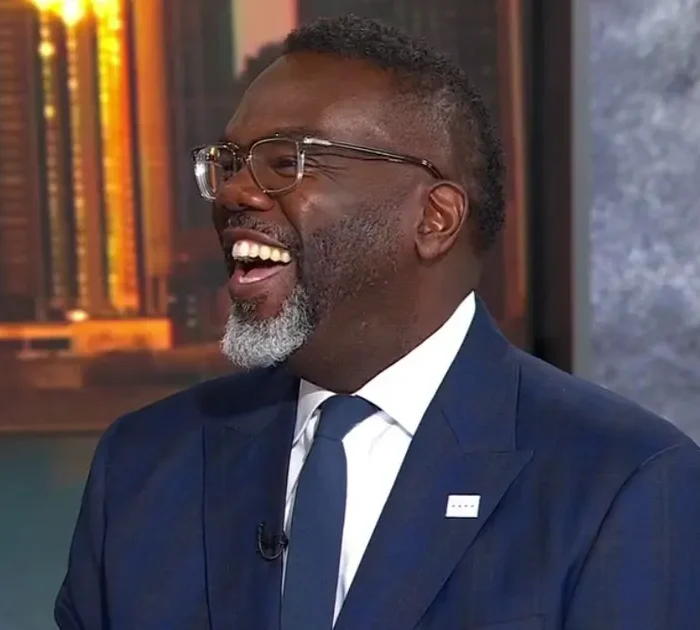
Montgomery Mayor Steven L Reed, the first Black person to hold the office, framed the day as a beginning rather than an end. He told the crowd they had gathered not at a stopping point but at a starting point, crediting the courage and commitment of earlier generations for making the moment possible.
Why Activists Are Alarmed
The urgency behind the rally stems from a wave of political activity following the Supreme Court ruling. Several Republican-led states have moved quickly to redraw their voting maps in ways that activists say diminish Black political power.
Tennessee and Florida have already adopted new maps. Alabama, Louisiana and Georgia appear ready to follow. Mississippi paused its redistricting efforts for now, though the state’s governor has signaled the issue will return soon.
That backdrop gave the rally its sharp sense of purpose. Voting activists from the affected states joined local and national elected officials on stage, including Senators Cory Booker and Raphael Warnock, along with Representatives Terri Sewell, Shomari Figures and Alexandria Ocasio-Cortez. Their goal was to energize attendees and channel frustration into action.
Tennessee state senator Charlane Oliver, who recently protested her state’s redistricting by standing on her desk, delivered one of the day’s most defiant messages. She argued that opponents could draw racist maps, but the South still belonged to its people, and she promised that voters would make their voices heard clearly in November.
A Rally That Felt Like a Movement
At times, the gathering resembled a worship service as much as a political event, echoing the central role the Black church played throughout the civil rights era.
The day opened with a prayer. When an attendee experienced a medical emergency, an emcee asked the crowd to join their praying hands together. Gospel songs were performed throughout the afternoon, and spontaneous chants of “vote, vote, vote” rose repeatedly from the audience.
For many who attended, the cause was deeply personal. They spoke of relatives who had marched, organized and suffered for the right to vote, and they described a responsibility to carry that legacy forward.
Montgomery resident Carole Burton captured that sentiment, recalling family members who crossed the bridge, took part in the bus boycott, and faced violence and arrest during the 1960s. She said her ancestors had not endured all of that for the rights now being rolled back.
From Selma to Montgomery, and Beyond
The day began in Selma with a prayer service at the historic Tabernacle Baptist church, followed by a silent walk across the Edmund Pettus Bridge. That bridge was the site of the brutal “Bloody Sunday” attack on civil rights marchers in 1965. Participants then traveled by bus to Montgomery, where thousands more joined them.
All Roads Lead to the South was designed to reach far beyond Alabama. More than 50 satellite events were organized across the country for those unable to attend in person, and speakers stressed that the struggle would continue in many places at once.
Rukia Lumumba, director of the Mississippi VRA Rapid Response Coalition and M4BL Action Fund, summed up that broader vision. She said the work ahead was not simply about defending the past, but about building a democracy worthy of the people who bled to create it.
For the thousands who filled the plaza in Montgomery, the Alabama Black voting rights rally was both a tribute and a call to action, a reminder that the fight for the ballot, decades after Selma, is far from over.
Author