Ship Traffic Drops Through Strait of Hormuz as US Reinstates Iran Blockade
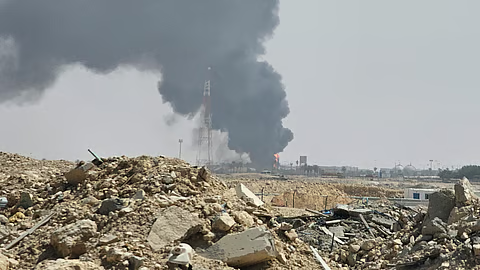
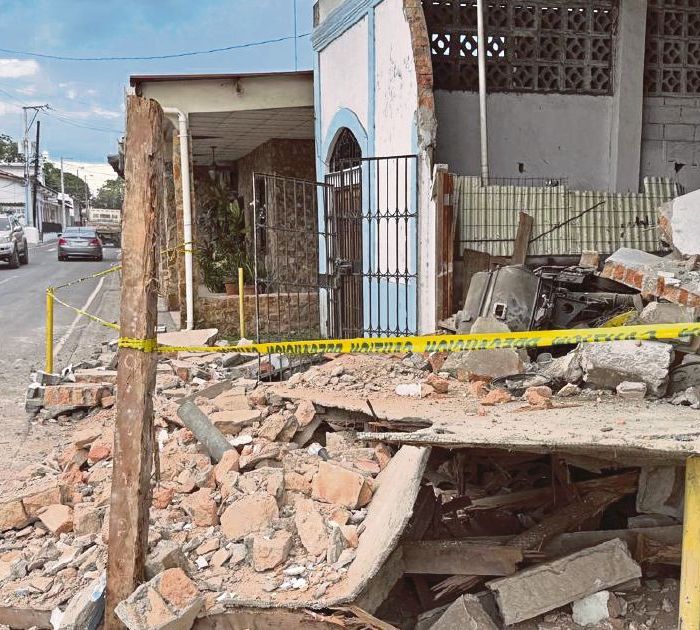
The Strait of Hormuz blockade imposed by the United States is already reshaping traffic through one of the world’s most vital waterways. On the first day after Washington reinstated its naval blockade on Iranian ports, fewer vessels made the journey through the strait, according to shipping data. The development comes amid a sharp escalation of strikes between the two countries across the Gulf, raising fresh concerns about the flow of global energy supplies.
A Noticeable Drop in Vessel Traffic
The impact of the renewed blockade was immediate and measurable. Shipping data from Kpler revealed a clear decline in activity through the strait.
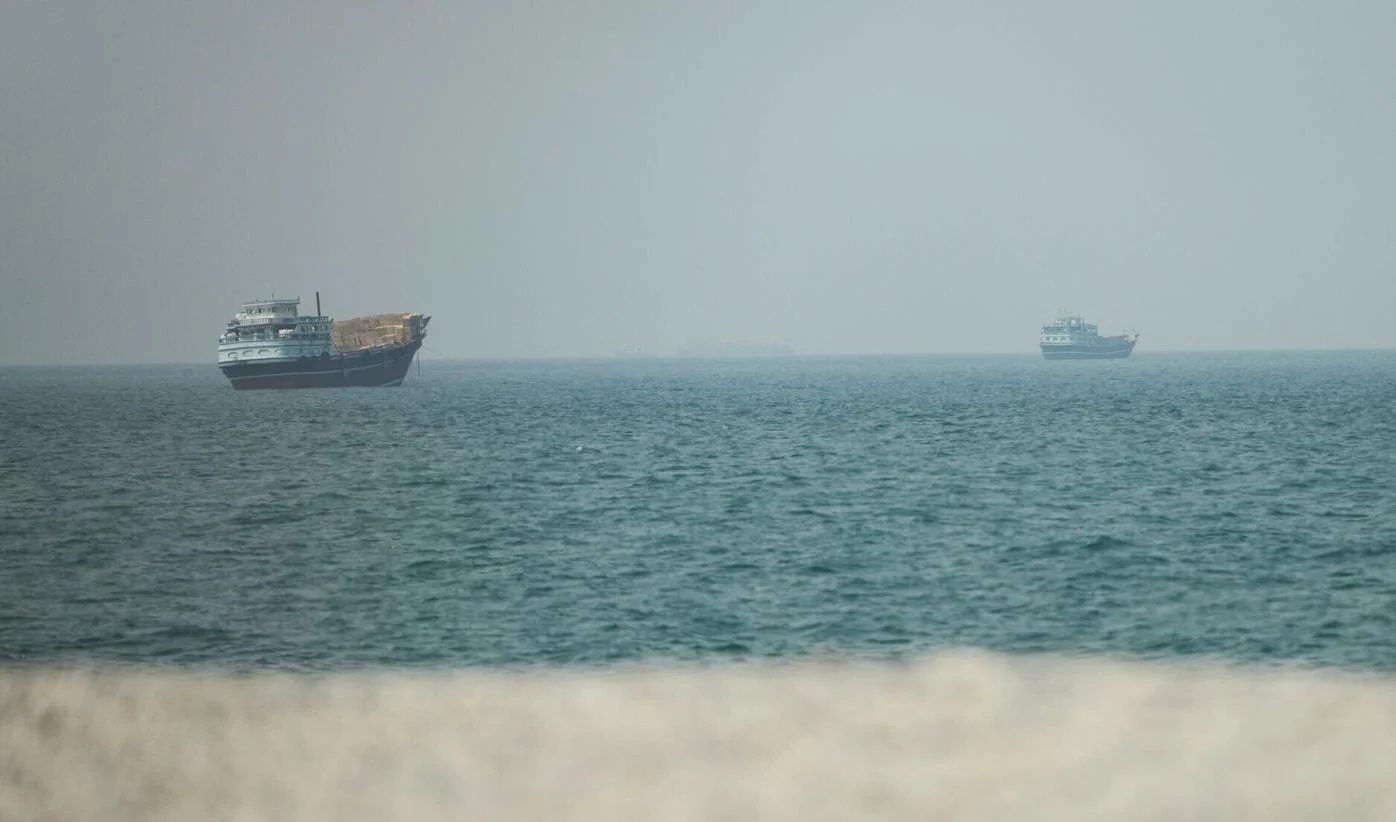
On Wednesday, just nine vessels crossed the waterway, most of them traveling along the Iranian route. That figure marked a decline from the 13 vessels that had made the crossing the previous day. The reduction underscores how quickly military tensions can disrupt maritime traffic in the region.
A Tanker Disabled Near Kharg Island
The tense atmosphere was punctuated by a dramatic incident involving an oil tanker. U.S. Central Command reported that it had disabled an unladen oil tanker attempting to sail toward Iran’s Kharg Island.
According to the military, the vessel had ignored multiple warnings before American forces fired Hellfire missiles into its smokestack. The Curacao-flagged VLCC Belma was subsequently no longer transiting toward Iran, CENTCOM confirmed.
The episode was part of a broader pattern of enforcement. Since resuming the naval blockade on Tuesday, the U.S. military said it had:
- Redirected two ships
- Disabled another vessel
Escalating Hostilities in the Gulf
The blockade and the accompanying disruptions are the result of rapidly intensifying hostilities. Tensions surged after Iran announced late on Saturday that it had closed the Strait of Hormuz.
Ongoing military operations have effectively kept ships from moving through the waterway, a passage of enormous strategic and economic importance. Before the conflict, the strait carried roughly one-fifth of all global oil and gas shipments, making any disruption a matter of worldwide concern.
What Moved Through the Strait
Despite the reduced traffic, some vessels did continue to navigate the waterway on Wednesday, offering a snapshot of the goods still in transit.
According to the data, five empty vessels entered the Gulf, including:
- Three small oil tankers
- Two dry bulk carriers used for grains
Meanwhile, four vessels exited the strait, each carrying different cargo. These outbound ships were transporting liquefied petroleum gas, coal, fuel oil, and fertilizer, reflecting the range of commodities that typically pass through the region.
A Quiet Departure
One notable detail from earlier in the week highlighted the caution now gripping the shipping industry. On Tuesday, a Suezmax tanker carrying one million barrels of Saudi crude exited the strait with its transponder switched off, according to Kpler data.
Sailing without an active transponder is often a sign that vessels are trying to avoid detection, a telling indication of just how risky passage through the strait has become amid the escalating conflict.
What It Means Going Forward
The early data paints a clear picture: the U.S. blockade, combined with intensifying strikes and Iran’s own actions, is significantly constraining movement through the Strait of Hormuz. With such a large share of global oil and gas normally flowing through this narrow passage, even modest disruptions carry outsized implications for energy markets and global trade.
As both nations continue to escalate their military operations, the future of shipping through the strait remains deeply uncertain. For now, the reduced traffic and the willingness of some vessels to sail undetected signal a region on edge, where the stakes extend far beyond the Gulf itself.
Author