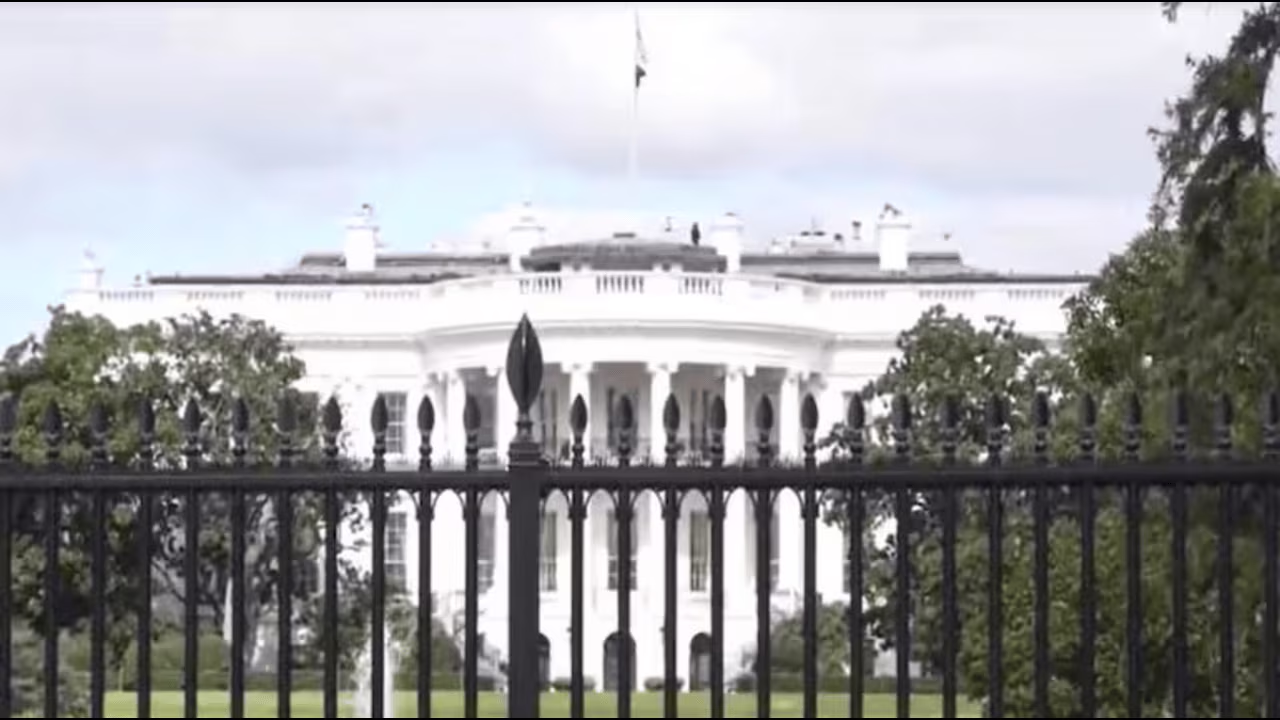
White House ballroom construction has been ordered to stop, at least for now, after a federal appeals court ruled that the project cannot legally move forward without approval from Congress. The decision lands more than nine months after crews first began tearing into the East Wing, and it pushes the dispute toward the Supreme Court.
The U.S. Court of Appeals for the D.C. Circuit issued its opinion Friday, running 136 pages and splitting the three-judge panel two to one. The core finding was stated plainly: deciding whether a structure of this size belongs at the White House is a question for lawmakers, not something the executive branch can settle on its own.
A Two-Week Window Before the Next Move
Rather than forcing an immediate stop, the panel paused its own order for fourteen days. That gap gives the administration time to take the matter to the Supreme Court before any work actually ceases.
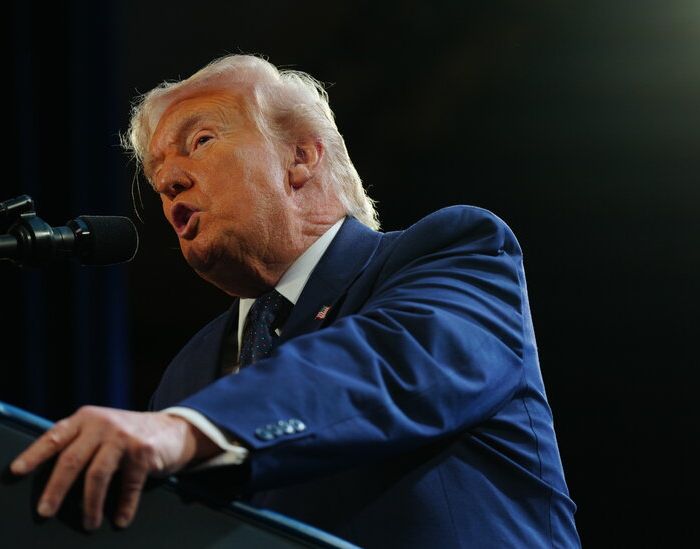
President Trump responded within roughly two hours, calling the ruling horrendous, politically driven and unlawful in a post on Truth Social. He promised an immediate appeal and noted that the two judges who ruled against him had been appointed by Democratic presidents, one by Barack Obama and one by Joe Biden.
The White House did not provide a formal comment.
The National Security Argument
Central to the administration’s defense is the claim that the ballroom is not merely a venue but part of a broader protective installation.
In his Friday post, Trump described the site as a single integrated undertaking that includes bomb shelters, an advanced medical facility, classified military spaces, missile-resistant steel structures, drone-proof roofing, hardened ventilation, protective partitioning and blast-resistant glass. He argued the components cannot be separated from one another and that halting the work endangers everyone who lives, works or visits there, including future presidents and their families as well as visiting heads of state.
The legal fight has also brought unusual attention to what sits beneath the site. Trump has said the military is constructing a large complex under the planned ballroom, a detail that had previously drawn only speculation. Administration officials have cited recent security incidents, including a shooting at the White House Correspondents’ Dinner, to support the argument that the project addresses genuine threats.
Where the Lawsuit Came From
The case was brought in December by the National Trust for Historic Preservation, a nonprofit that operates under a congressional charter. Its position has not shifted since filing: the law reserves authority over construction of this kind at the White House to Congress alone.
The organization asked the court to freeze work until the government completed the review process the law requires, a process that culminates in legislative sign-off.
Brent Leggs, its president and chief executive, welcomed Friday’s outcome as a win for the public’s ability to weigh in on the fate of places it values, the White House included.
The administration countered that the plaintiffs lacked standing to sue at all, and that any pause carries security consequences.
How the Project Grew
The demolition began in October, when crews started dismantling the East Wing to clear ground for a ballroom Trump had talked about for years.
The scale described by officials is substantial:
- Roughly 90,000 square feet of floor space
- Seating for approximately 1,000 guests
- An original cost estimate of $200 million
That last figure has not held. Reporting in June, drawing on contractor invoices, indicated the true total could reach at least $600 million, roughly triple the initial projection.
The Funding That Never Materialized
Money has been a persistent complication. In May, Senate Republicans floated attaching $1 billion in taxpayer-funded security spending for the ballroom to a larger immigration and border enforcement bill.
The proposal did not survive. Pushback came from both parties, and the provision was stripped out before the legislation advanced in June. That episode left the financing picture unresolved and arguably strengthened the argument that Congress had never authorized the project.
Part of a Wider Reshaping
The ballroom is the most visible piece of a larger effort to reshape Washington’s physical landscape and loosen the rules that govern it.
The administration has moved to weaken federal protections for historic properties, including changes to the Section 106 review process that requires agencies to assess how their projects affect protected sites. Separately, a proposed triumphal arch has drawn its own legal challenges over where it would be built and what it would displace.
Each of these efforts raises a version of the same question the D.C. Circuit just answered: how much can a president change about the capital’s protected landmarks without going through Congress.
What Happens Next
The two-week stay means construction can continue in the immediate term while lawyers prepare filings.
If the Supreme Court agrees to take the case, it will confront a separation-of-powers question with implications well beyond one building. If the justices decline, the appeals court ruling stands and the project stalls until Congress acts, something the failed funding attempt in May suggests would not come easily.
For now, an unfinished structure sits where the East Wing once stood, and its future depends on how nine justices read the boundary between executive initiative and legislative authority.
Author
-
Lucienne Albrecht is Luxe Chronicle’s wealth and lifestyle editor, celebrated for her elegant perspective on finance, legacy, and global luxury culture. With a flair for blending sophistication with insight, she brings a distinctly feminine voice to the world of high society and wealth.