Israel coalition talks have taken a decisive turn, with the country’s Arab parties signalling they will support opposition leader Gadi Eisenkot’s bloc in its bid to unseat Prime Minister Benjamin Netanyahu. The move, following a record-breaking showing by Arab-led lists in last week’s election, further narrows Netanyahu’s route back to power while confronting Eisenkot with difficult choices about how to accept that backing.
Where the Numbers Stand
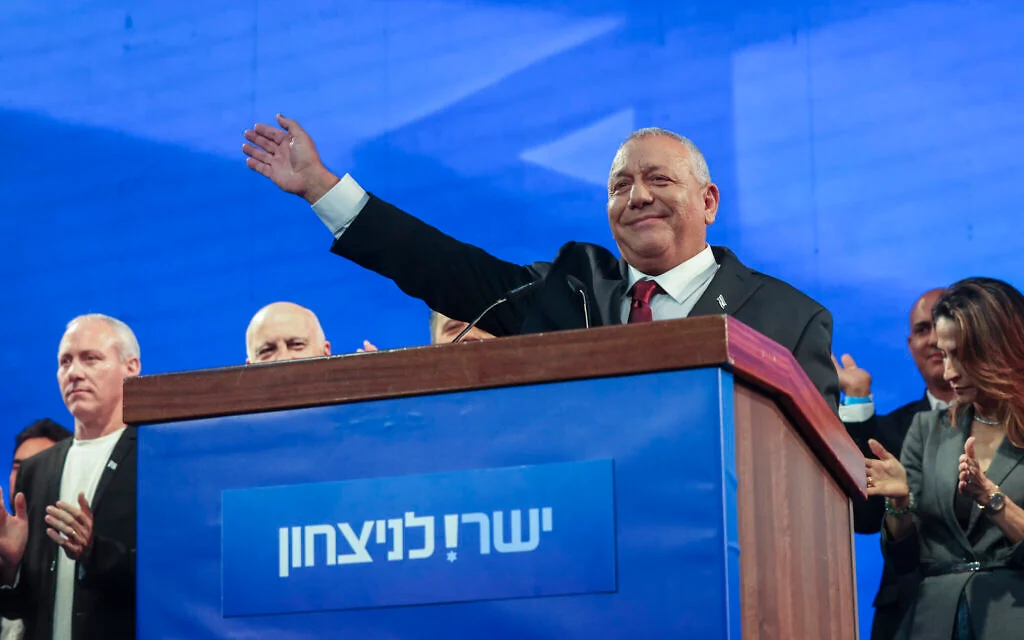
Netanyahu’s alliance of conservative and far-right parties, anchored by Likud, secured 53 of the Knesset’s 120 seats, short of the 61 required for a majority. Eisenkot’s four-party opposition grouping, known as the “Change” bloc, won 48. Neither can govern alone.
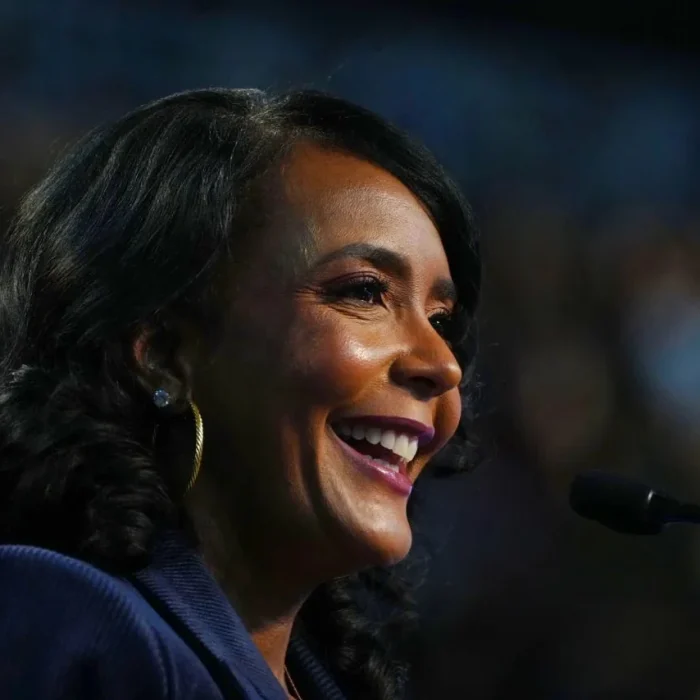
The balance of power rests with the Arab parties. After Arab voter turnout roughly doubled to around 80 percent, the Joint List, led by Yousef Jabareen, captured 11 seats and Mansour Abbas’s Ra’am took eight, for a combined 19, the strongest result Arab parties have ever achieved. Added to Eisenkot’s 48, that total would comfortably exceed the majority threshold.
The Opposition’s Red Line on Netanyahu
The Change bloc has already committed not to partner with Netanyahu, pointing to the security failures that preceded the October 7 Hamas attacks and the prime minister’s ongoing corruption trial. That pledge rules out a straightforward national unity arrangement and leaves Eisenkot dependent on either Arab support or defections from the other side.
Taking Arab backing carries political cost. Netanyahu and other right-wing figures have openly used anti-Arab messaging to rally Jewish voters, and Eisenkot himself had said during the campaign that he would not build a coalition with Arab parties. Reversing that stance exposes him to attack from the right. On Sunday evening, dozens of protesters gathered outside his home to object to any such alliance.
Arab Parties Clarify Their Position
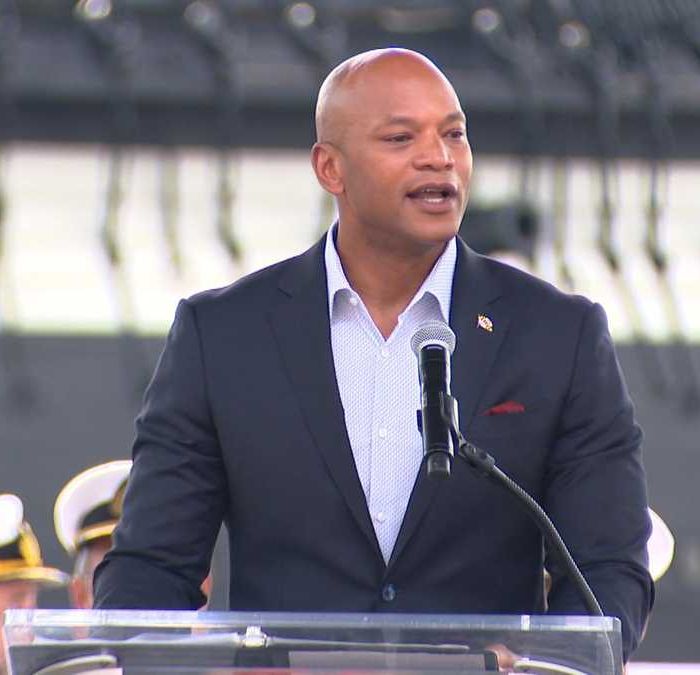
Both the Joint List and Ra’am have indicated they will cooperate with the opposition to remove Netanyahu, though their approaches differ. Abbas has long said Ra’am would join an Eisenkot-led government if given the internal security portfolio. The fact that his deputy is a Jewish lawmaker is widely read as a gesture toward the Jewish opposition parties.
Jabareen, speaking to The Guardian on Monday, said the Joint List would work with the Change bloc to oust Netanyahu and remove extremist ministers such as National Security Minister Itamar Ben-Gvir and Finance Minister Bezalel Smotrich. He stressed, however, that his party would not sit in the cabinet. Instead it would vote with the government in the Knesset, enabling Eisenkot to lead a minority administration with fewer than 61 seats inside the coalition itself.
The Conditions Question
Eisenkot has set conditions for any coalition partner: recognition of Israel as a Jewish state, support for military conscription and designation of Hamas as a terrorist organisation. Jabareen argued those terms apply to parties inside the government, not to those offering outside support. As long as the occupation of the West Bank continues, he said, the Joint List cannot be part of any government.
The distinction gives Eisenkot a potential path: a formal coalition of Jewish parties, possibly with Ra’am, sustained by Joint List votes from outside.
Netanyahu’s Fraud Claims Lose Steam
Netanyahu has repeatedly alleged, without evidence, that Arab parties engaged in election fraud with foreign assistance. Likud has pointed to the arrest of three activists accused of bribing voters before polls opened, individuals suspected of links to Ra’am, which denies any involvement.
The case appears to be weakening. On Sunday a court released one suspect and placed another under house arrest. Election authorities have made clear the result will stand. Central Elections Committee chair Noam Sohlberg said that even if the suspicions were confirmed, they would not compromise the integrity of the overall vote. Video of Sohlberg meeting with the attorney general and the head of the Shin Bet appeared intended to signal institutional unity behind the outcome.
Likud has also framed cooperation between Zionist parties and the Arab bloc as a danger to the state, language that critics describe as an attempt to delegitimise a fifth of the population.
A Marginalised Electorate Finds Its Voice
Arab citizens have long occupied the margins of Israeli politics, and their exclusion deepened after October 7. At least two former Palestinian members of the Knesset and one sitting lawmaker have been briefly detained over statements or actions deemed critical of the war in Gaza, which a UN commission of inquiry concluded in 2025 amounted to genocide, and of the occupation of the West Bank. Only once, in 2021, has an Arab party, Ra’am, joined a governing coalition, and that government survived less than two years.
The Timeline Ahead
Results are due to be certified on Wednesday. President Isaac Herzog will then hold livestreamed consultations with the leaders of all 11 parties elected to the Knesset to hear whom they recommend as prime minister. With Arab parties expected to name Eisenkot, he could emerge as the frontrunner for Herzog’s nomination.
Whoever receives the mandate will have 28 days to assemble a coalition, with a possible 14-day extension. If that fails, Herzog may turn to another candidate.
Netanyahu’s Remaining Options
The prime minister is not without moves. A unity government with the opposition remains theoretically possible, though the Change bloc’s refusal to work with him makes it unlikely. Alternatively, he could try to lure at least eight opposition lawmakers to his side. Yashar claimed on Saturday that several of its members had received calls from Likud, describing the party as in a state of hysteria.
Regardless of how the negotiations unfold, the new Knesset will be sworn in on November 10.
Compromises Loom
Analysts expect every bloc to face uncomfortable trade-offs. Eisenkot may have to abandon campaign promises about Arab parties. The Arab lists may have to tolerate policies they oppose in exchange for Netanyahu’s removal. And Netanyahu, facing a court case and a shrinking base of allies, may have to decide whether to fight on or seek a graceful exit. The coming weeks will reveal which compromises prove possible.
Author