Atlantic Hurricane Season Forecast 2026: First Below-Average Outlook in a Decade
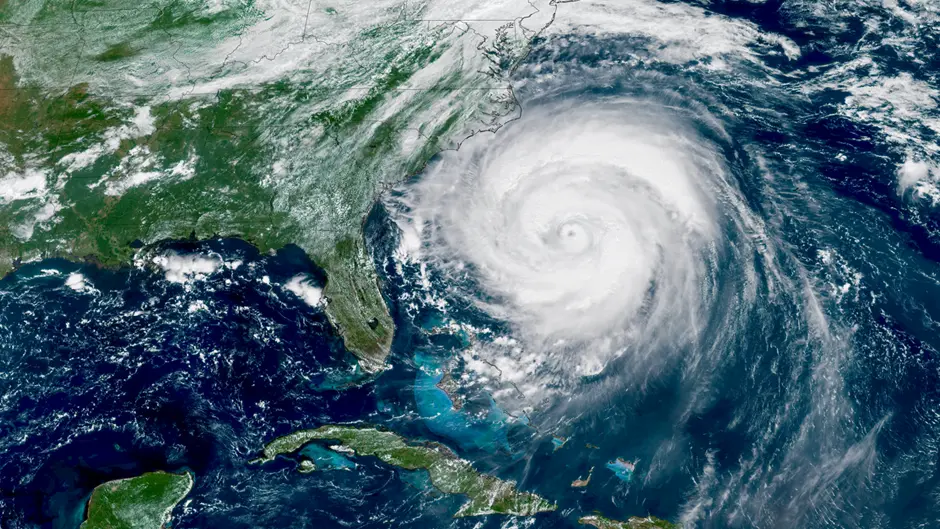
The Atlantic hurricane season forecast for 2026 is offering a rare bit of relief. For the first time in more than ten years, forecasters expect a relatively quiet season in the Atlantic basin. The season officially opened on Monday, and the calmer outlook is tied largely to a developing weather pattern that tends to suppress storm activity in this part of the world.
But quieter doesn’t mean carefree, and the same pattern bringing calm to the Atlantic is poised to stir up trouble elsewhere.
What’s Behind the Slower Season
The main driver of this year’s subdued prediction is the anticipated arrival of a strong El Niño pattern. This natural climate cycle is closely associated with reduced hurricane formation in the Atlantic.
The catch is that El Niño doesn’t calm the entire planet. While it tamps down Atlantic activity, it does the reverse in the Pacific, where forecasters are bracing for a notably busy stretch.
By the Numbers
Most hurricanes that strike the United States originate in the Atlantic, which makes this forecast especially relevant for coastal communities. Here’s what the National Oceanic and Atmospheric Administration (NOAA) is projecting:
- Three to six hurricanes, defined as storms with winds reaching at least 74 mph
- Eight to 14 named tropical storms overall
Importantly, the forecast says nothing about whether any of these storms will actually make landfall.
NOAA’s outlook lines up closely with other forecasting groups. A tracker run by Colorado State University and the Barcelona Supercomputing Center, which compiles predictions from 23 forecasting centers, found an average projection of five hurricanes. In a typical year, you’d expect about seven.
Recent history shows how tricky these forecasts can be. Last year produced five Atlantic hurricanes, falling short of NOAA’s projected six to 10. In 2024, there were 11, landing within the agency’s predicted range of eight to 13.
A Quiet Season Is Still a Dangerous One
Forecasters were quick to caution against complacency. Ken Graham, director of the National Weather Service, summed it up simply at a recent news conference: “It just takes one.”
He pointed to Hurricane Andrew in 1992, one of the most expensive hurricanes ever recorded, which struck during a season with below-normal storm activity. The lesson is straightforward. Fewer storms doesn’t mean weaker ones, and a single powerful hurricane can cause catastrophic damage regardless of how the overall season unfolds.
How El Niño Actually Works
El Niño is a recurring natural cycle marked by unusually warm surface waters in the tropical Pacific Ocean. Its influence on hurricanes comes down to something called vertical wind shear, which describes how wind speed and direction change across different layers of the atmosphere.
Hurricanes need low wind shear to flourish. Calm, consistent winds let a storm build a tight, organized rotation and funnel heat and moisture toward its core.
El Niño throws a wrench into that process in the Atlantic by increasing vertical wind shear. This disruption makes it harder for the tropical disturbances that roll off the African coast to survive their long journey across the ocean and intensify into full-blown hurricanes.
In the Pacific, the dynamic flips. As NOAA Administrator Neil Jacobs explained, El Niño reduces wind shear in the central and eastern Pacific, which is precisely why an above-average season is expected there.
When Will El Niño Arrive?
Forecasters anticipate a strong El Niño taking shape soon. NOAA’s latest estimates put the odds at:
- 82 percent that circulation patterns officially enter the cycle by July
- 96 percent that El Niño conditions persist from December through February 2027
The Ripple Effects Beyond Hurricanes
El Niño reshapes weather far beyond the tropics. One of its more concerning effects is its tendency to push air temperatures even higher than global warming alone would, potentially fueling hotter conditions across much of the United States.
The pattern’s regional impacts vary widely:
- In the Pacific Northwest, an El Niño summer often deepens drought, a pressing worry this year given the region’s severe snowpack shortage.
- In the Southwest, El Niño can weaken the early summer monsoon while delivering unusually wet weather in winter.
A Busy Pacific Season Ahead
While the Atlantic catches a break, the Pacific is gearing up for action. NOAA forecasts nine to 14 hurricanes there this season.
Pacific hurricanes rarely make landfall on the U.S. mainland, but that doesn’t mean they’re harmless. Their reach can extend far and wide, creating serious weather disruptions even from a distance.
Take Hurricane Hilary in August 2023. By the time it reached the California coast it had weakened to a tropical storm, yet its moisture shattered rainfall records across four Western states. That same year, Hurricane Dora passed roughly 400 miles from Hawaii, generating powerful winds that contributed to the devastating Lahaina fire on Maui.
Hawaii on Alert
Hawaii hasn’t taken a direct hurricane hit since Iniki in 1992, a storm that ravaged Kauaʻi and famously interrupted the filming of “Jurassic Park.”
This year, the islands are already on edge. Several, including Maui and Oahu, endured severe flooding this spring after storms battered areas that are usually shielded from heavy rain. With an active Pacific season looming, residents have good reason to stay watchful.
Even without a direct strike, a passing hurricane can unleash dangerous winds or dump punishing rain, keeping Hawaiians wary throughout the months ahead.
The Bottom Line
The 2026 Atlantic hurricane season forecast brings welcome news for the East Coast and Gulf, signaling the calmest outlook in over a decade. Yet the experts’ message is clear and consistent: a slow season is no guarantee of safety. With a strong El Niño set to energize the Pacific and a single Atlantic storm capable of enormous damage, preparation remains every bit as important as it would be in a busier year.
Author