Bangladesh Measles Outbreak: A Silent Tragedy the World Is Overlooking
While headlines around the world focus on hantavirus and Ebola, another deadly health emergency is unfolding quietly. The Bangladesh measles outbreak has already claimed more than 500 young lives, yet it has received almost no global attention. Health officials, aid workers, and families on the ground are pleading for the world to notice what they call a heartbreaking and largely preventable catastrophe.
“We’ve been crying out loud about this from the beginning, but it has been a silent situation,” said Hasina Rahman, deputy regional director for Asia at the International Rescue Committee.
A Crisis Hidden in Plain Sight
Since the virus began spreading in mid-March, Bangladesh has recorded over 60,000 suspected cases of measles. Of the 528 suspected deaths so far, the overwhelming majority have been children under the age of five. The country’s health care system, already stretched thin, is now buckling under the weight of the surge.
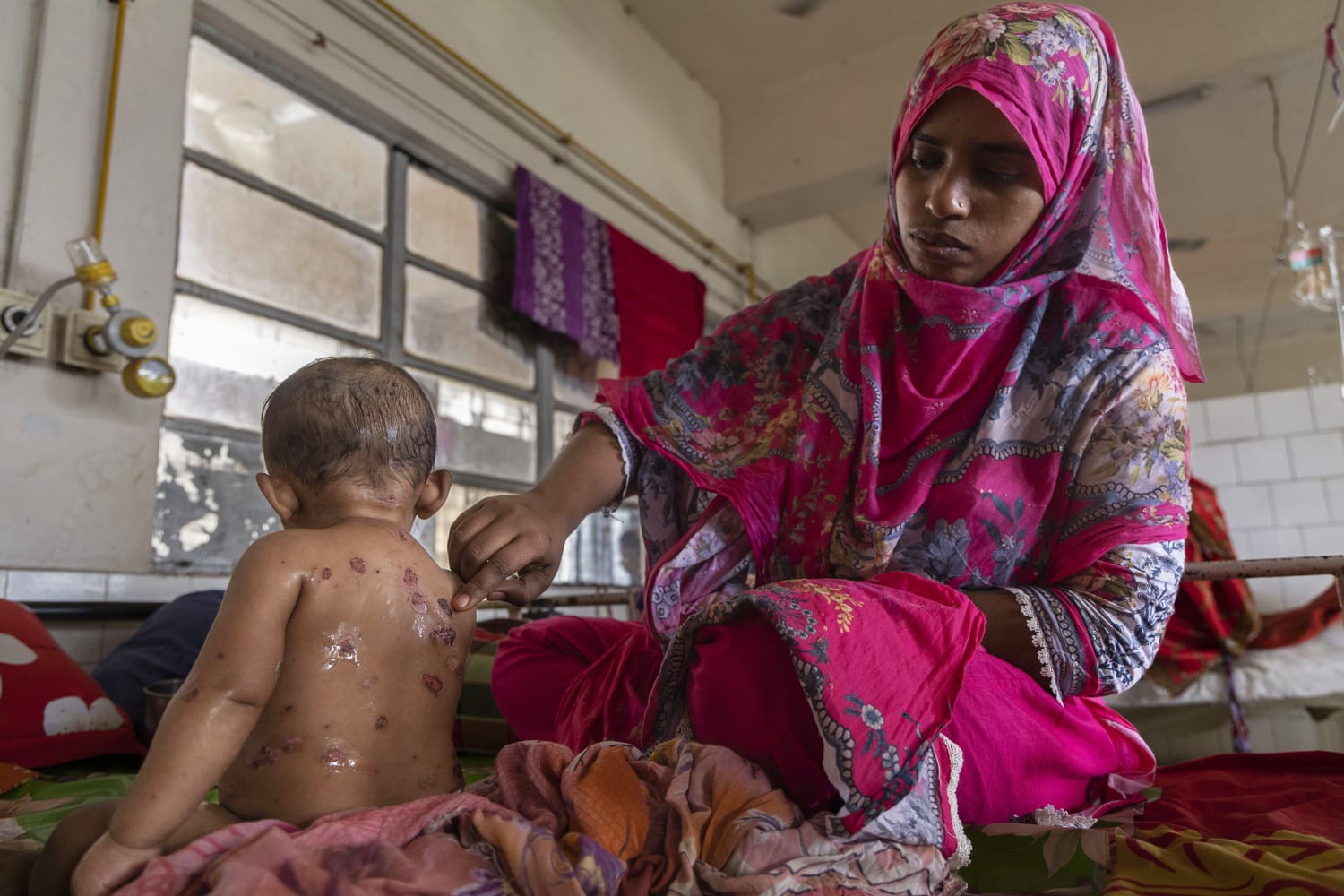
For families like that of two-year-old Miftahul Zannat, the toll has been devastating. After developing classic measles symptoms, including a high fever, rash, vomiting, and diarrhea, the little girl became completely bedridden. Her parents traveled hours from their home in Bhairab to the capital, Dhaka, in search of better care. Two hospitals turned them away because there was simply no space. They finally found help at a third facility, but only after a desperate and exhausting journey.
Why Measles Is Hitting Bangladesh So Hard
Measles is often dismissed as a childhood illness, but it can be deadly, especially in places where children are already vulnerable. Complications can include pneumonia, brain inflammation, and even blindness. Globally, nearly 100,000 people died from the disease in 2024 alone.
In Bangladesh, several factors are making the current outbreak more severe than usual. Among them:
- One in four children under five suffers from stunted growth due to undernutrition
- One in ten faces acute malnutrition
- Vaccinations can be less effective in malnourished children
- The case fatality rate is around one percent, far higher than the 0.1 to 0.3 percent typically seen in the United States
These conditions help explain why hospitals are seeing more severe cases and more deaths than in higher-income countries facing similar outbreaks.
Mohammad Kamal, Miftahul’s father and a village cook, said his family has long struggled to afford enough food. He’s grateful his daughter is finally receiving treatment, but the change in her is heartbreaking. Once cheerful and playful, she now barely smiles or eats.
From Vaccine Champion to Public Health Failure
What makes this crisis especially tragic is that Bangladesh was once celebrated as a model for vaccination programs in lower-income nations. In 2019, then-Prime Minister Sheikh Hasina Wazed received the Vaccine Hero Award from Gavi, the Vaccine Alliance, for the country’s progress toward eliminating measles.
Then everything began to unravel.
After the long-time government was ousted in 2024, an interim administration took over for 18 months. During its time in power, it attempted to overhaul the country’s vaccination system. The result was chaos. Bureaucratic delays piled up, vaccine supplies were disrupted, and immunization campaigns were postponed.
UNICEF representative Rana Flowers said she personally warned interim officials at least ten times that a crisis was looming. Her warnings, along with public appeals from Gavi and the World Health Organization, went unanswered.
Dr. Reaz Mobarok, who heads the High Dependency and Isolation Unit at the Bangladesh Shishu Hospital and Institute, the largest children’s hospital in the country, did not mince words. He said the interim government simply did not prioritize vaccinations, leaving countless children unprotected.
A Daily Toll of Death and Despair
By early April, Bangladesh formally alerted the WHO about the spike. At that point, there were already roughly 20,000 suspected cases in 58 of the country’s 64 districts and more than 150 deaths.
Since then, local newspapers have started publishing daily death counts. On May 4 alone, 17 children died. Many days bring more than a thousand new suspected cases, sometimes well over 1,500. As of May 24, the death toll had climbed to 528.
Dr. William Moss, a measles expert at the Johns Hopkins Bloomberg School of Public Health, called the situation a massive outbreak with high mortality. He explained that measles weakens the immune system, making patients prone to dangerous secondary infections that further strain medical resources.
The IRC’s Rahman pointed out that recent foreign aid cuts have made the situation even worse. Many community health programs have shut down, and staffing shortages have hit hard. As a result, desperate parents are now sitting outside hospital wards with sick children, unsure of where to turn.
Hospitals Stretched to the Breaking Point
The story of nine-month-old Rizvi Ahmed Raihan paints a clear picture of what families are facing. His mother, Mim Akhter, drove three hours from Manikganj to Dhaka after he developed breathing problems and dehydration. When they arrived, the hospital had no proper bed available. They were forced to lie on a thin mattress on the floor in front of an elevator.
Reports from hospitals around the country point to similar scenes. Common challenges include:
- Severe overcrowding of measles wards
- Two patients sharing single ICU beds, sometimes both needing oxygen
- Shortages of essential medical supplies
- Limited isolation capacity, with measles patients sometimes treated near HIV/AIDS patients
- Staff working far beyond capacity
At the Infectious Diseases Hospital in Dhaka, Superintendent Dr. F. A. Asma Khan says her 100-bed facility regularly admits more than 100 patients a day. At the Bangladesh Shishu Hospital, Dr. Mobarok says administrative rooms are being converted into makeshift wards just to keep up.
Financial Strain on Already Poor Families
Even when treatment is free, the indirect costs of long hospital stays can crush poor families. Rickshaw driver Mohammad Kamal Hossain earns just four dollars a day, but he has spent the past 20 days caring for his nine-month-old daughter, Saifa, who developed pneumonia from measles. He has already spent around 160 dollars just on transportation to Dhaka, and now worries about his older daughter’s school fees back home.
The Government’s Response So Far
The newly elected government, which took office in February, launched a major vaccination campaign on April 5. According to officials, around 18 million children have already been vaccinated. The next focus is reaching children who were missed during the initial rollout.
Dr. Halimur Rashid, the director of disease control at Bangladesh’s Directorate General of Health Services, said hospitals have also been instructed to open dedicated isolation units and administer Vitamin A capsules to affected children. Experts say this is the right move, as Vitamin A therapy can significantly reduce measles-related deaths.
UNICEF’s Rana Flowers praised the response as immediate and forceful. Still, many parents and health professionals are calling for school closures and a formal health emergency declaration.
A Crisis That Feels Lonely This Time
For many in Bangladesh, the outbreak brings back painful memories of the COVID-19 pandemic, which killed nearly 30,000 people in the country. But there’s one striking difference. During COVID, the world came together. This time, says Dr. Mobarok, Bangladesh feels largely abandoned.
The Bangladesh measles outbreak is a sobering reminder of how quickly progress can unravel when political instability, weakened health systems, and global indifference collide. With proper vaccination, support, and attention, this crisis could have been prevented. The question now is whether the world will pay attention before more children lose their lives.
Author