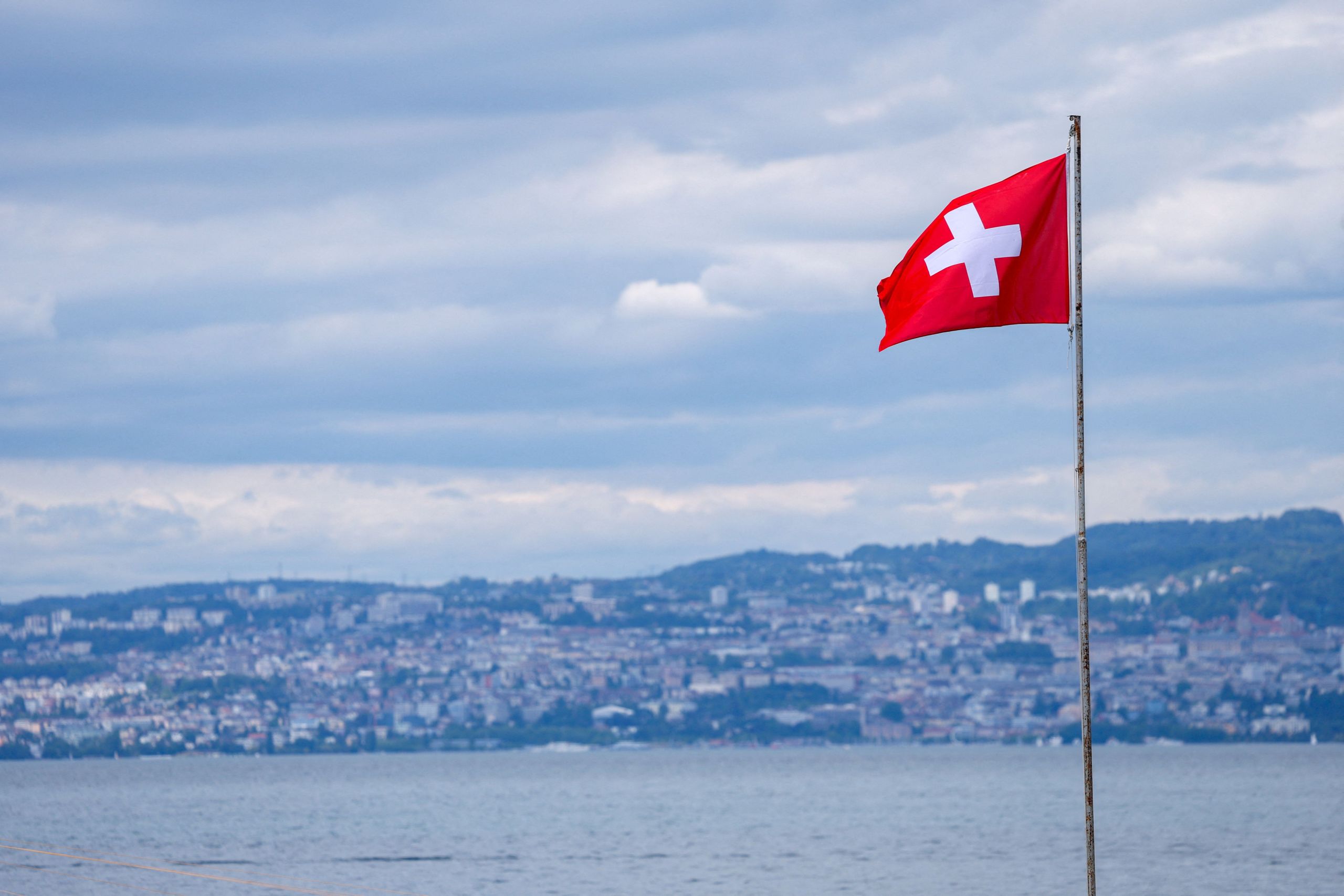
The Switzerland population cap referendum has put a deceptively simple but radical question before Swiss voters: can a country place a fixed legal limit on how many people live within its borders? On Sunday, the Alpine nation is voting on a proposal to cap its population at 10 million, a measure that has laid bare deep divisions over immigration and Switzerland’s place in Europe.
What’s on the Ballot
At its core, the proposal would enshrine into law a rule that Switzerland’s permanent resident population, counting both Swiss citizens and foreigners with residency, must not exceed 10 million before 2050.
The plan also builds in an early trigger. Once the population reaches 9.5 million, the government would be required to take action, which could include limiting asylum numbers and ending family reunification rights for foreign workers. Official projections suggest the country is on track to hit the 10 million mark by the early 2040s.
Crucially, if the 10 million ceiling were ever breached, Switzerland would have to terminate international agreements it has signed, including the EU’s free movement of people, a prospect that has drawn comparisons to Britain’s Brexit vote.
The Case For: A ‘Sustainability Initiative’
The measure is championed by the right-wing Swiss People’s Party (SVP), the largest bloc in parliament, which frames it as a “sustainability initiative” rather than a purely anti-immigration move. The party argues the cap would ease pressure on housing, public services, and the environment.
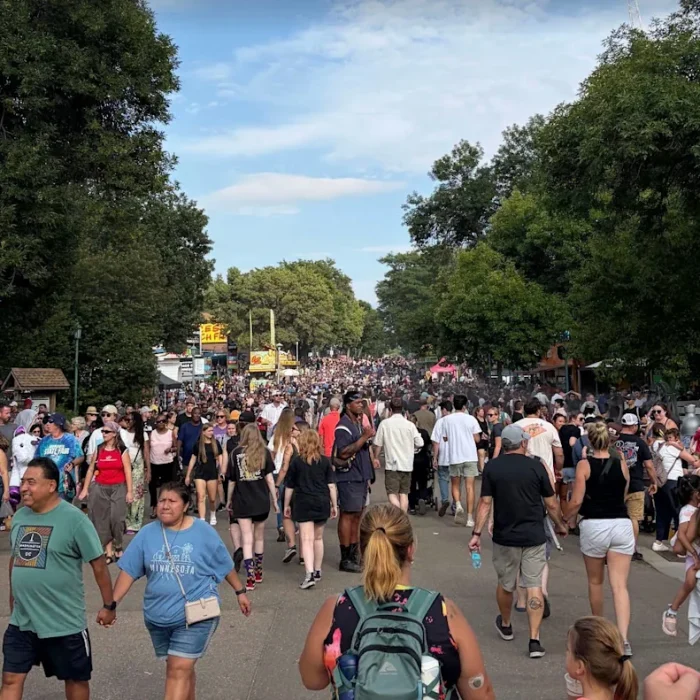
The numbers behind the anxiety are significant. Switzerland’s population has grown rapidly, climbing from 7.3 million in 2002 to roughly 9.1 million today, with about 27% of residents born abroad. The SVP describes this as uncontrolled immigration, warning that the small country is bursting at the seams.
For supporters like Nils Fiechter, a 29-year-old SVP representative in canton Bern’s parliament, the issue is existential. He laments that the country has lost control and that unchecked immigration is leading to Switzerland no longer being Switzerland. He attributes a range of problems directly to immigration, including:
- A housing shortage and rising rents.
- Gridlocked traffic and overburdened public transport.
- Overburdened schools and strained social services.
Notably, Fiechter himself comes from an immigrant family, holding dual citizenship through his Canadian mother, and insists the initiative is about protecting a cherished way of life for everyone, with or without a migrant background.
The Case Against: A ‘Chaos Initiative’
Opponents, who include the government, rival parties, business leaders, and trade unions, have branded the proposal a “chaos initiative.” They warn it would strip hospitals and hotels of essential staff and jeopardize hard-won relations with the European Union, leaving non-EU member Switzerland dangerously isolated.
The economic concerns are concrete. Half of all hotel workers in Switzerland are immigrants, and hospitals and care homes rely heavily on foreign staff. Business association Economiesuisse has sounded the alarm, with its chief economist warning that passage could create serious challenges in relations with the EU. That fear stems from Brussels’ long-standing position that non-members cannot cherry-pick the benefits of the single market while escaping commitments like free movement.
Critics also point to a demographic contradiction. With around 20% of the Swiss population now over 65, opponents argue the country needs young workers and taxpayers to staff and fund the needs of an ageing society, workers Switzerland is not producing on its own.
Helin Genis, a 31-year-old Social Democrat on Bern’s city council whose parents are from Turkey, dismisses the SVP’s logic as scapegoating. She argues that migrants do not set rent levels, raise health insurance premiums, or make political decisions on housing and infrastructure. Viewing every problem through the lens of migration, she says, leads not to solutions but to division.
An Unprecedented Experiment
What makes the vote so striking is that no other country has attempted to impose a hard legal limit on its number of residents. The closest historical parallel is China’s now-abandoned one-child policy, which sought to slow population growth through very different means.
This unprecedented quality has puzzled experts, who note that while tightening immigration is a common European trend, dictating population levels by law is peculiar in the demographic and political context. It is a product of Switzerland’s system of direct democracy, in which campaigners need only gather 100,000 signatures to force a nationwide vote.
The Shadow of Global Isolation
Beyond the economic arguments, fear of standing alone in a turbulent world has become a powerful theme. Jon Pult, a Social Democrat member of parliament, says his greatest fear is Switzerland being left alone in an unstable and dangerous world.
That anxiety is grounded in recent events. Switzerland has been buffeted by rising fuel prices linked to both Russia’s invasion of Ukraine and the conflict in Iran, and it was stunned when Washington imposed steep tariffs on Swiss goods, with an agreement to lower them still unfinalized. Campaign posters urging a “No” vote have seized on this mood, depicting a leering President Donald Trump with the shadowy profiles of Vladimir Putin and Xi Jinping behind him, asking whether now is really the time to break with Europe.
Fiechter waves away such warnings as fearmongering, expressing confidence that the EU would never let relations collapse because the agreements with Switzerland serve Brussels’ own interests too.
A Knife-Edge Vote
As Swiss voters head to the polls, the outcome appears genuinely uncertain. The latest opinion polls have suggested voters were inching toward rejecting the cap by a razor-thin margin, with around 52% opposed and 45% in favor, leaving a significant share still undecided.
For those still weighing their decision, the central question remains how a population cap would even function in practice, and whether the cure might prove worse than the ailment.
The two young politicians embody the stakes. For Fiechter, anyone who loves Switzerland wants it to remain safe, prosperous, and worth living in, which is exactly what he believes the initiative protects. For Genis, the real question is not how to exclude people but how to build enough affordable housing, ensure good working conditions, and invest in strong public services. She remains convinced the initiative would do more harm than good.
Whichever way the vote falls, the referendum has already revealed a nation wrestling with how to balance prosperity, identity, and its complicated relationship with the wider world.
Author