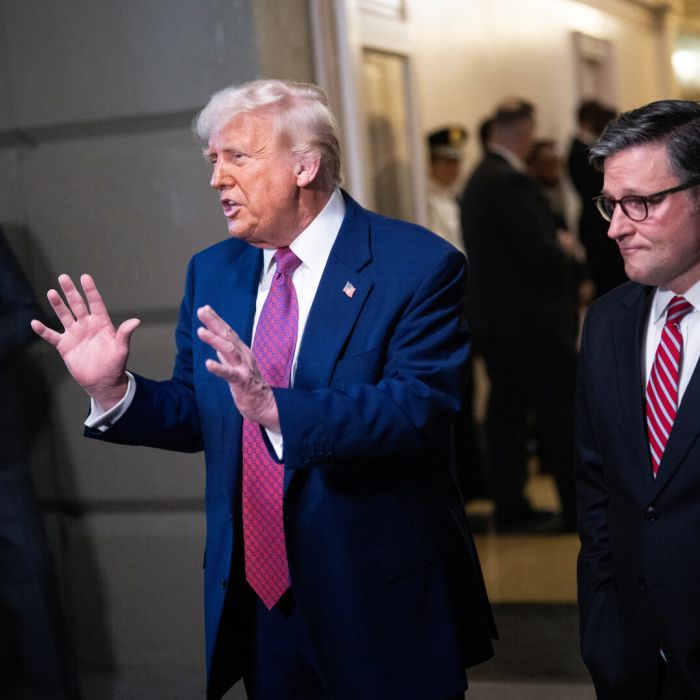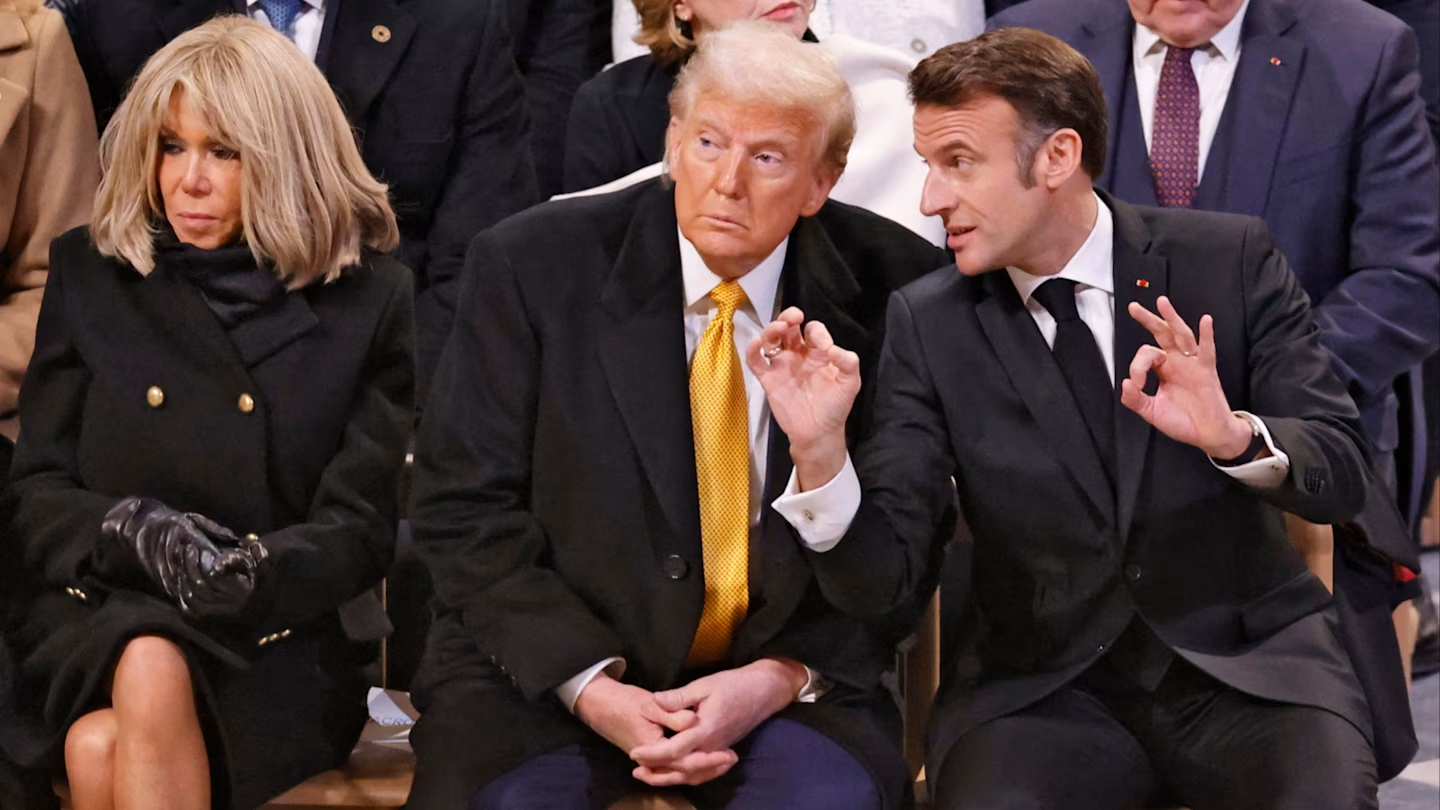
The Macron and Trump relationship, once described as a “bromance,” is set for one of its toughest tests yet as the two leaders prepare to meet at the G7 summit in France. What began nearly a decade ago with a famously fierce handshake has since hardened into a transactional and often combative rapport, and the alpine resort of Évian-les-Bains will be the stage for its latest chapter.
A Handshake That Set the Tone
The dynamic between the French and US presidents was, in many ways, defined from the start. Their relationship was forged through a bruising handshake at a Bastille Day military parade, with each man yanking the other close in a contest of dominance thinly veiled by friendliness.
That same push-and-pull has echoed through nearly every major issue between them since, including Iran, Russia’s invasion of Ukraine, and trade. Now, Macron will host Trump alongside other G7 leaders in the first such summit since the US launched its war against Iran.
Why the Warmth Faded
The early goodwill of their respective first terms has given way to something colder. The shift, observers say, has been driven by Trump’s harsher, more transactional approach, and worsened by specific points of friction.
Chief among the irritants from Trump’s perspective are Macron’s vocal advocacy for Ukrainian President Volodymyr Zelenskyy and his pointed criticism of the Iran campaign. Viewed from Europe, meanwhile, Trump has strained the transatlantic bond in several ways:
- Imposing tariffs on the EU.
- Threatening to annex Greenland.
- Sending energy prices soaring by attacking Iran.
Trump, for his part, regards European allies as free-riders on defence, accusing them of shirking responsibility by declining to help ease the blockade of the Strait of Hormuz, a vital artery for oil and gas exports.
Tiptoeing Around the President
Determined to keep the summit on track, Paris has carefully shaped the agenda to avoid provoking Trump. The goal is to prevent a repeat of last year’s G7 in Canada, which Trump abruptly left a day early as the Israel-Iran conflict intensified.
The accommodations have been notable. Macron originally scheduled the summit to open on Sunday, which happens to be Trump’s 80th birthday, but pushed the start back a day so the US president could attend a mixed martial arts event at the White House. After the formal sessions in Évian, the two leaders are also set to dine together at the opulent Palace of Versailles.
The French government has projected confidence despite the tensions. One official acknowledged that the international context is what it is, but insisted the summit would show that the allies can still converge on important issues.
A Shifting European Mood
Analysts caution that the diplomatic terrain has changed, raising the odds of friction. Max Bergmann, director at the Center for Strategic and International Studies, noted that Europe’s tolerance for deference has worn thin.
He observed that in 2025, European leaders were willing to accept a “bend-the-knee” strategy, even debasing themselves before Trump, but that they are far less willing to do so in 2026. In some cases, he suggested, it now serves certain European leaders’ domestic political interests to stand up and pick a fight.
Macron’s Long Game
As the European leader who has dealt with Trump the longest, Macron sees himself as uniquely capable of managing him. He invited Trump to the grand reopening of Notre-Dame cathedral just before the inauguration, and Trump returned the gesture by hosting Macron as the first world leader to visit his second-term White House.
The two maintain regular phone calls and texts, a direct channel that can defuse conflicts but also backfire. In January, Trump posted their private messages online, revealing how Macron blends chumminess with bluntness, writing as a friend, signaling alignment on Syria and possibility on Iran, while flatly stating he did not understand Trump’s stance on Greenland.
According to several European officials who have witnessed their private meetings, the relationship is tough but ultimately respectful. Macron often absorbs jibes and mockery, including remarks about his English accent, while Trump appreciates that the French president is clear and consistent in his criticism, whether in public or behind closed doors. That consistency, the officials said, makes the relationship more stable than Trump’s wildly oscillating rapport with leaders like German Chancellor Friedrich Merz and UK Prime Minister Sir Keir Starmer. As one official put it, the bromance is gone, but something like grudging mutual respect remains in the room.
Unafraid to Push Back
Macron has not shied away from contradicting Trump directly. He challenged him over funding for Ukraine while seated beside him in the Oval Office, and during the Iran war he publicly chided Trump for his ever-shifting statements on peace, declaring that diplomacy “is not a show” and that a serious leader doesn’t reverse his position every day.
Trump, in turn, seems to relish needling Macron. He has declared that “Emmanuel always gets it wrong” and gleefully referenced an episode in which Brigitte Macron appeared to slap her husband, quipping that “his wife treats him very badly.”
Still, the durability of their direct channel is striking. Mujtaba Rahman of the Eurasia Group explained that Macron’s calculation is to work with or around Trump, rarely replying to insults while occasionally putting his foot down, as he did over Greenland, all while believing Trump can still be maneuvered toward the right decision.
A Crowded Field of Trump-Whisperers
Macron is hardly alone in trying to court the US president, and the results across Europe have been mixed. Italy’s Giorgia Meloni has cast herself as a “Trump whisperer,” leaning on her pro-NATO stance and ideological kinship with his movement. NATO chief Mark Rutte once referred to Trump as “daddy” and warned Europe against drifting too far from the US. Spain’s Pedro Sánchez, by contrast, has emerged as a leading critic, opposing US support for Israel and resisting pressure to raise military spending.
The Stakes at Évian
Trump heads into the summit, scheduled for June 16-18, with a packed agenda spanning trade, artificial intelligence, and Ukraine, all under the shadow of the Iran conflict. Efforts to strike a deal with Iran hang in the balance, with officials suggesting one could be signed in the coming days.
A central goal for the host is securing backing for a mine-clearing mission to reopen the Strait of Hormuz, an initiative led by Britain and France and drafted by militaries from more than a dozen countries. Trump is also expected to hold a series of bilateral meetings with leaders from the Middle East and Asia, and Zelenskyy will attend, though no formal Trump-Zelenskyy meeting is currently scheduled.
Whether personal rapport can deliver results remains an open question. As geopolitical analyst Manuel Muñiz of IE University in Madrid put it, diplomacy built on personal rapport doesn’t really work with Trump, a skepticism that captures the central uncertainty hanging over the summit. For Macron, Évian is both an opportunity to prove he can still manage his most unpredictable partner and a reminder of just how much the ground beneath their relationship has shifted.
Author